
The Vanagon Project: What We Got Into (And Why)
The Vanagon Project: What We Got Into (And Why)
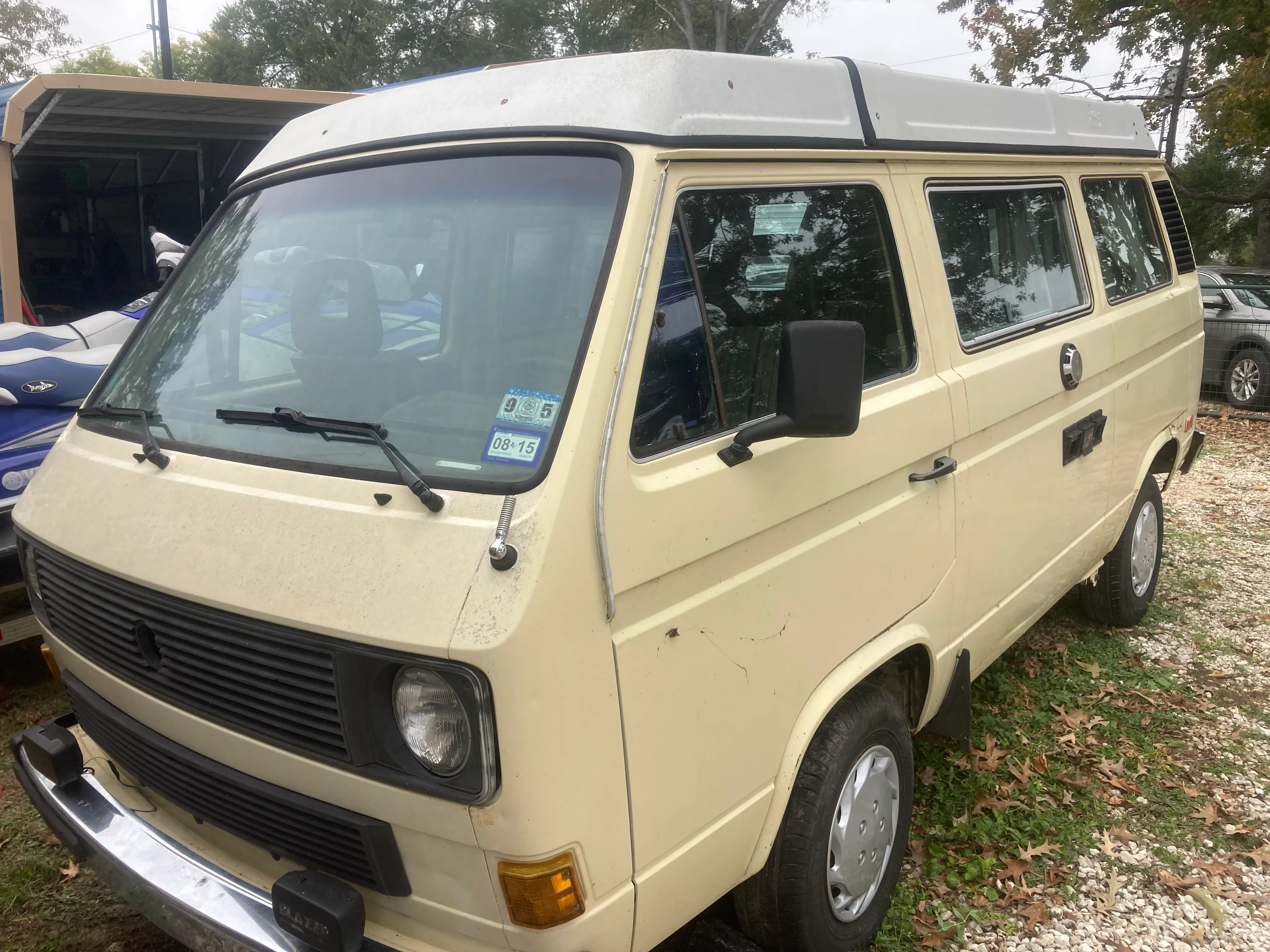
The point five matters.
A 1983 VW Vanagon Westfalia is one thing. A 1983.5 is something different. The half-year designation marks the switchover to the CIS-E fuel injection system — Continuous Injection System Electronic — which changed how the engine manages fuel delivery and which version of problems you’ll be solving. When someone tells you they have an ‘83 Vanagon, you ask: point five?
We have a point five. We bought it not running.
Why We Got Into This
The love of Volkswagen started earlier — with a beach buggy build. An air-cooled VW pan, taken apart and put back together in the shop. There’s something that happens when you learn every component well enough to reassemble it, and then it starts. That first start is a specific feeling that doesn’t translate well in words. You made that happen. The machine lives because you understood it.
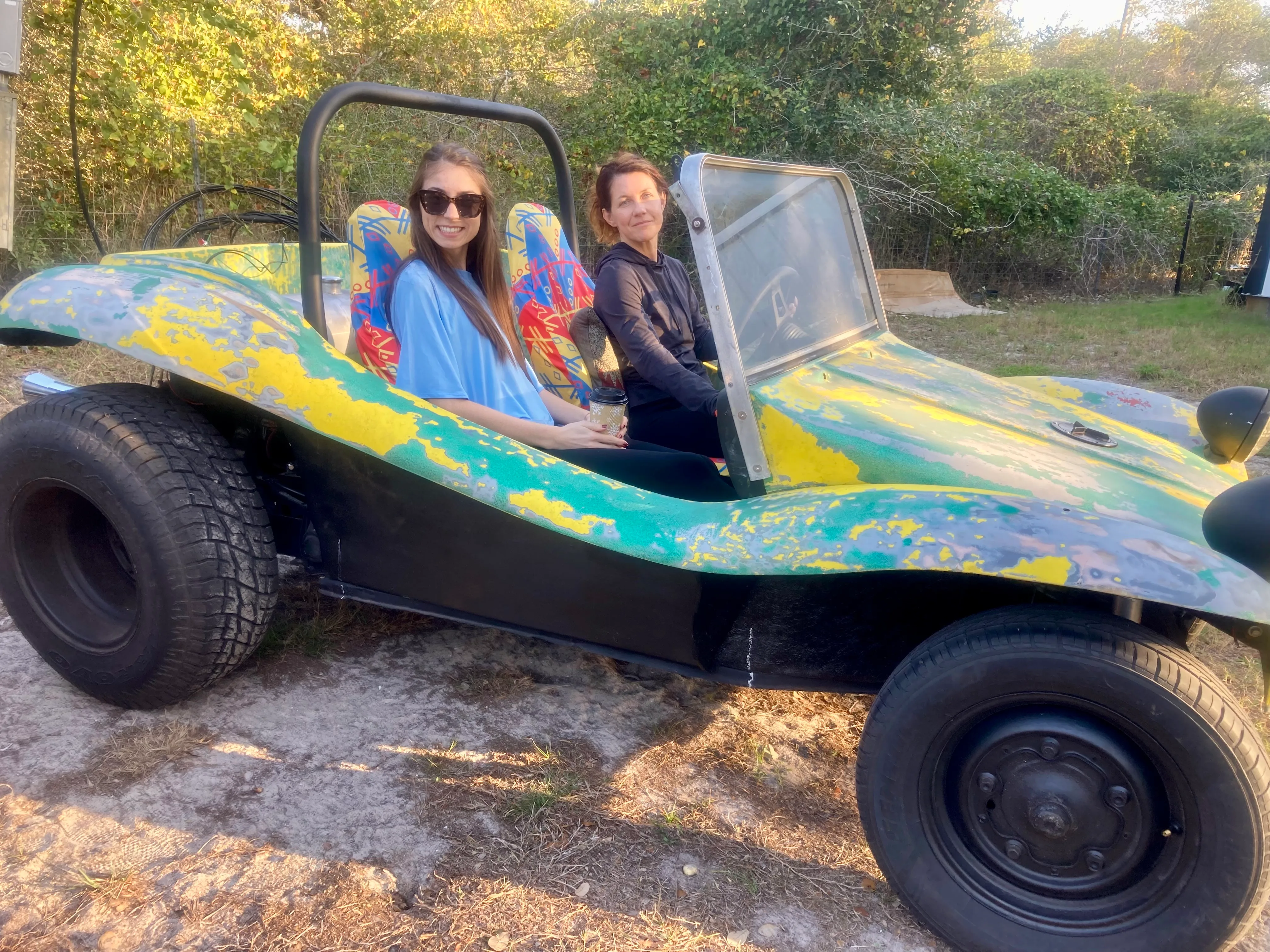
After the beach buggy and after we built the shop, the direction of the next project was obvious. The Westfalia came up at a price that looked like a deal — which, with old VW vans, is always the moment to ask more questions.
What We Bought
The van didn’t run. The seller had been trying to flip it. He was not a Volkswagen person — not in the sense that matters. He didn’t have the patience these vehicles require, and the decision he made trying to force a start cost him everything he’d put into it.
He hydrolocked a cylinder. Gas got into the cylinder when the engine wouldn’t fire, and instead of stopping and diagnosing the problem, he kept trying. He pulled the spark plug out of the hydrolocked cylinder and cranked the engine while holding the spark plug near the opening to let the gas spray out.
Spark plus fuel plus air.
The wiring harness caught fire. He burned the electrical system of a 1983 Volkswagen van trying to get it started.
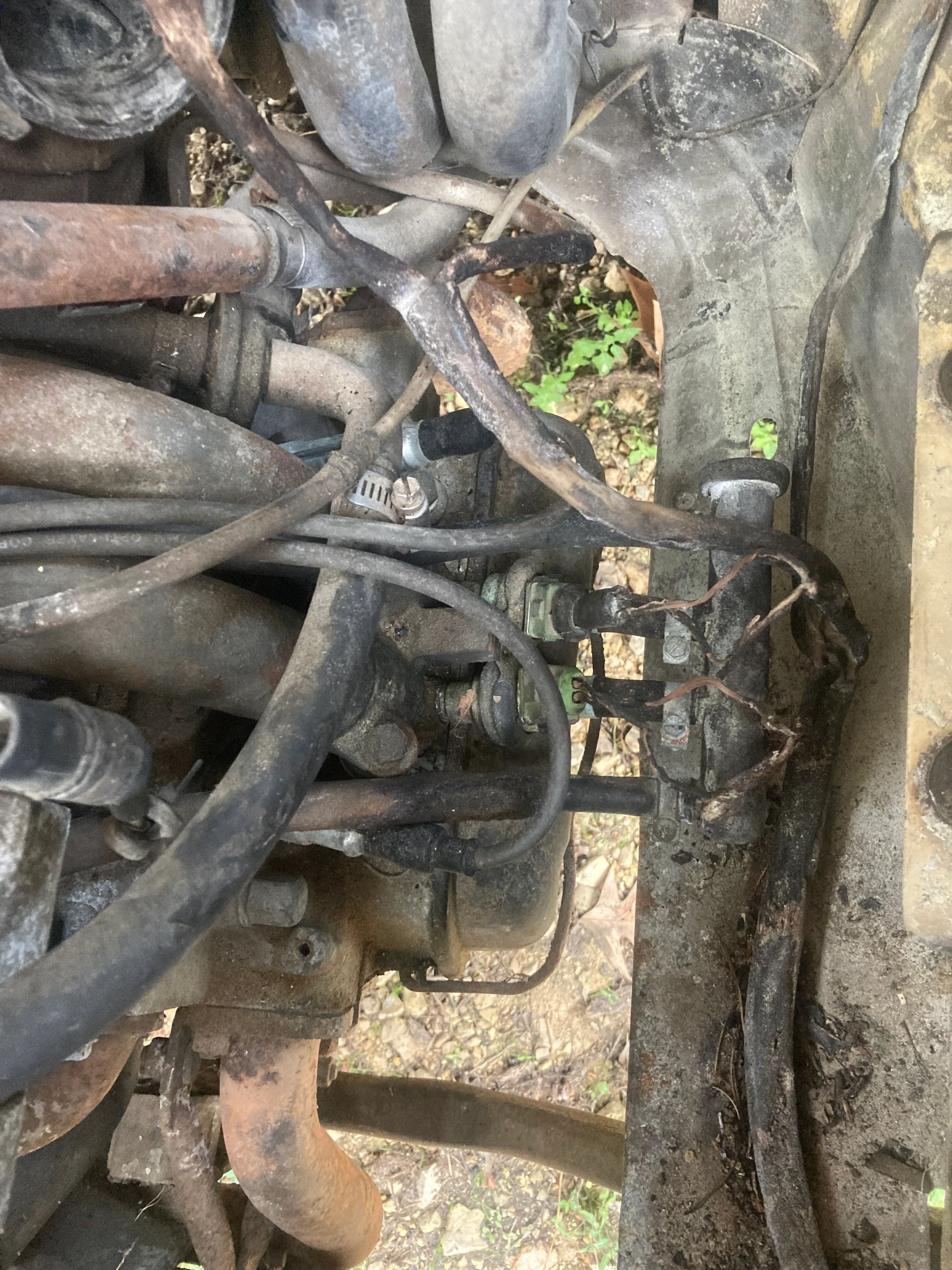
So what we bought was a van with a burned wiring harness, unknown mechanical condition underneath, and a previous owner who had done his most productive work walking away from it.
The Electrical Education
The first order of business was the wiring harness. You can’t trust any reading, any test, any component diagnosis until the electrical system is sound. We worked through it methodically.
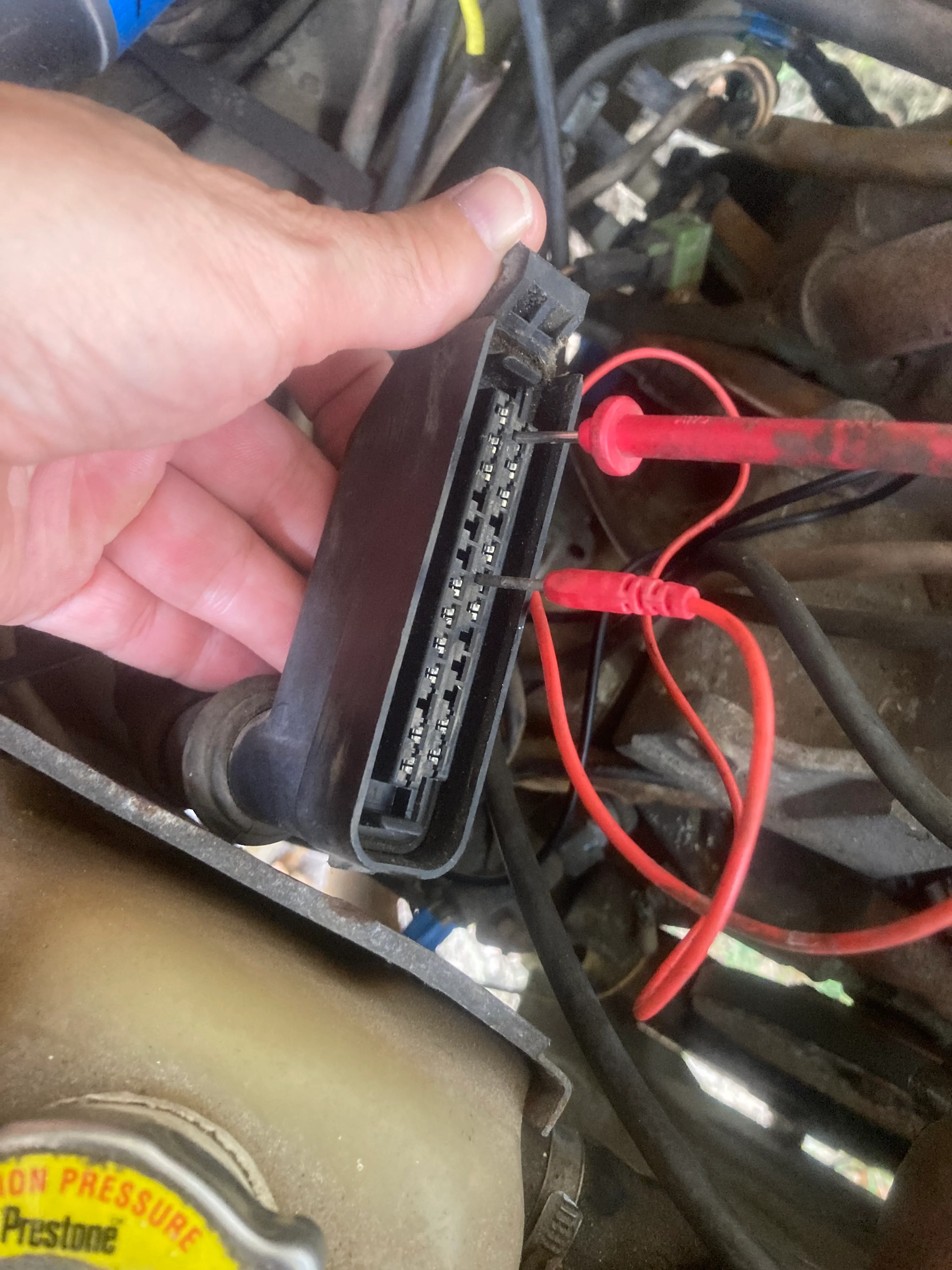
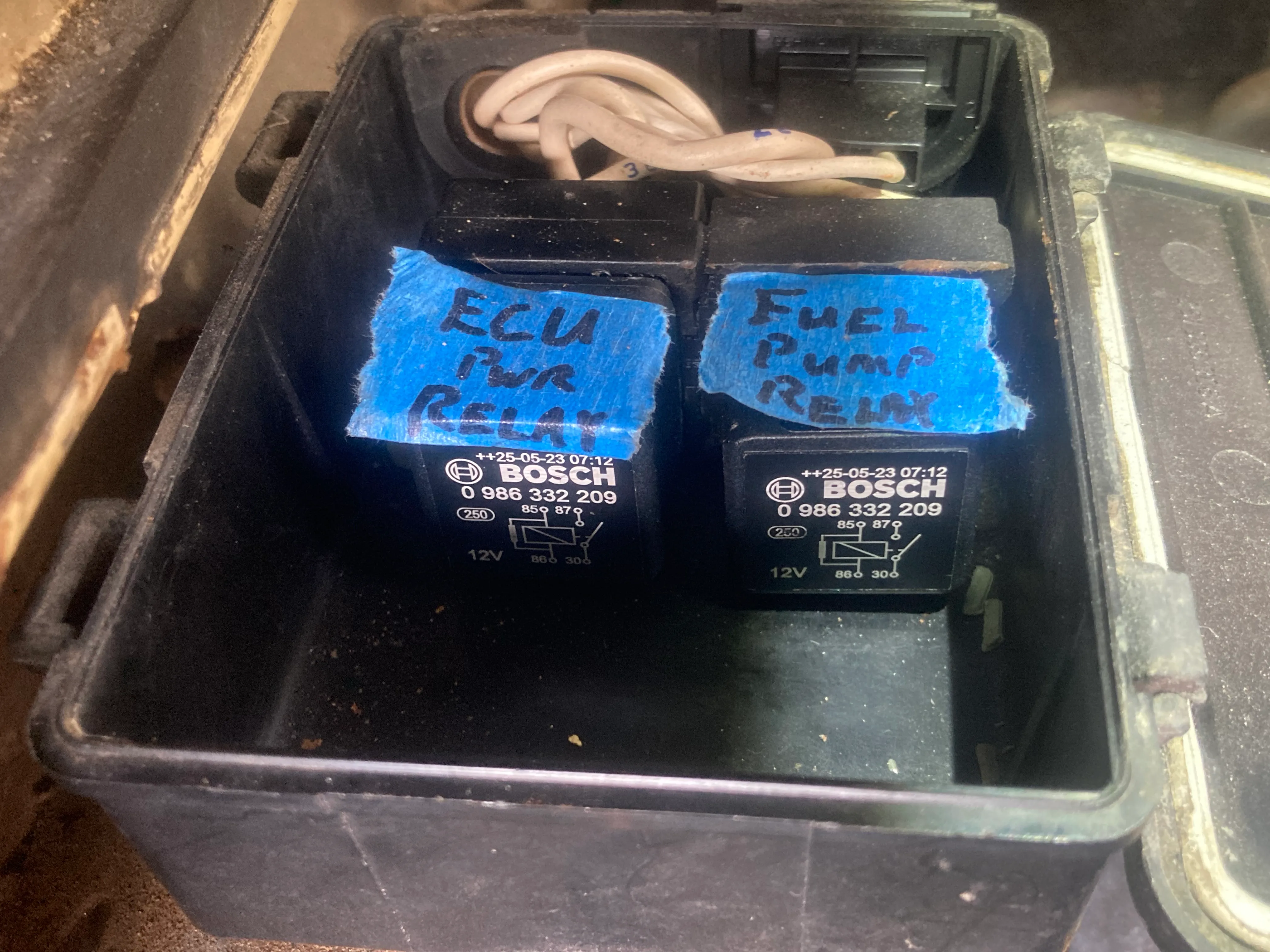
When you spend enough time in electrical troubleshooting on an old vehicle, you start to develop a feel for it. The multimeter becomes intuitive. You stop being surprised when something that should work doesn’t, and you get better at knowing where to look next. This van gave us a graduate-level education in that process.
The Service Manual Is Your Bible
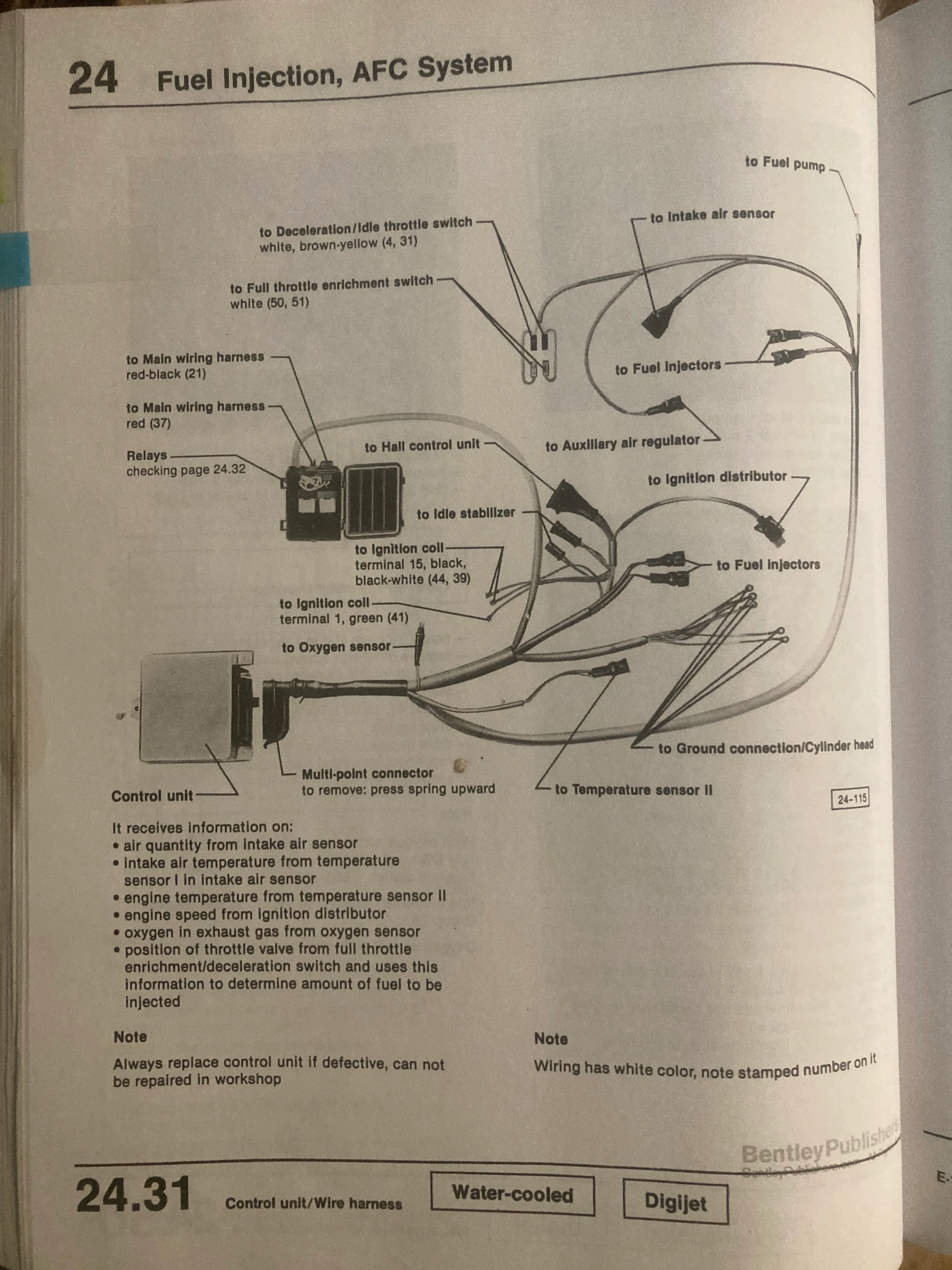
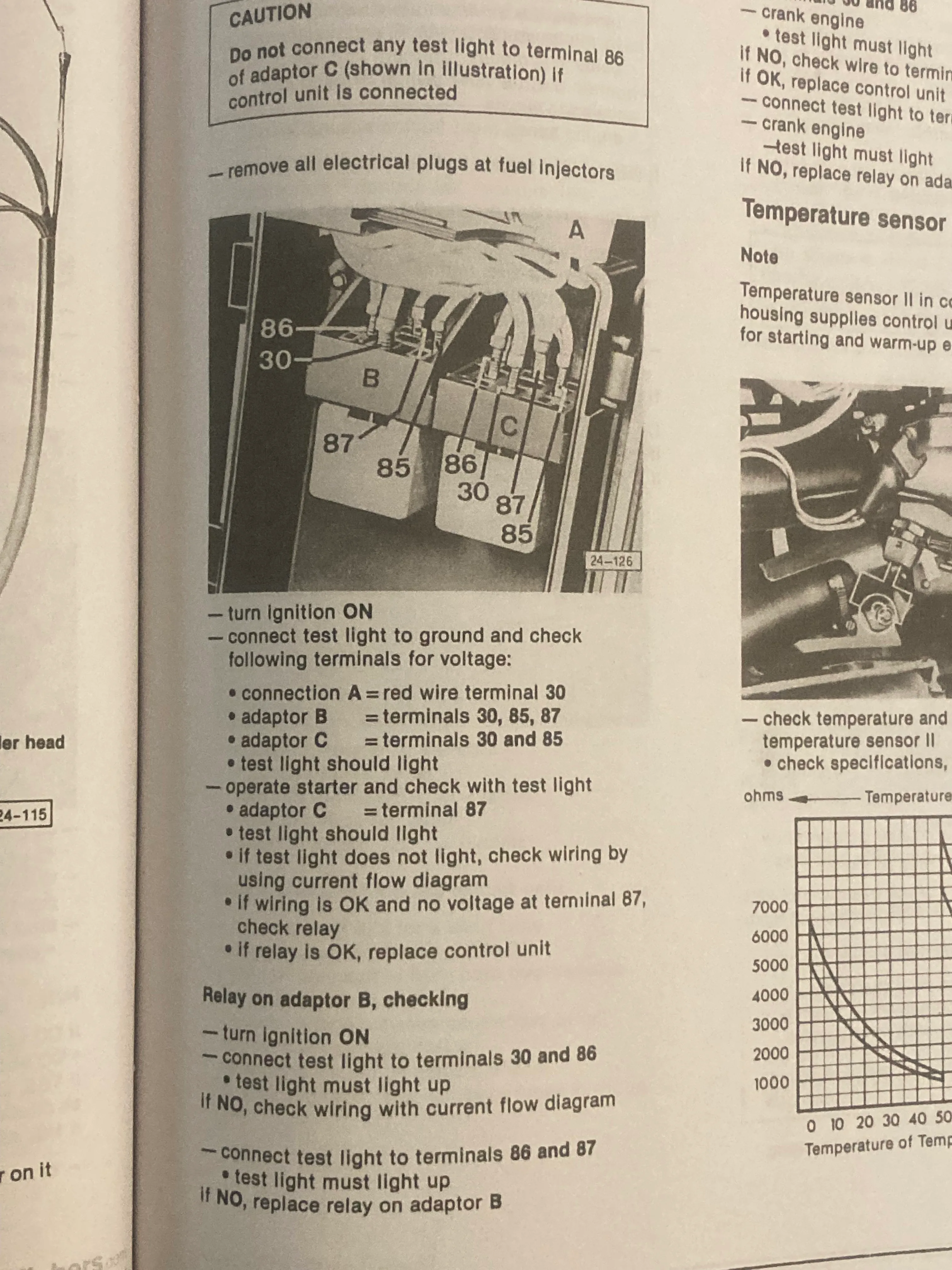
The Bentley manual for the Vanagon is not optional. It’s the reason people without formal automotive training can work on these vehicles at all — the documentation is thorough enough that if you read it carefully and trust the process, you can diagnose almost anything. The CIS-E fuel injection system is complex for its era, but the service procedures are written to be followed.
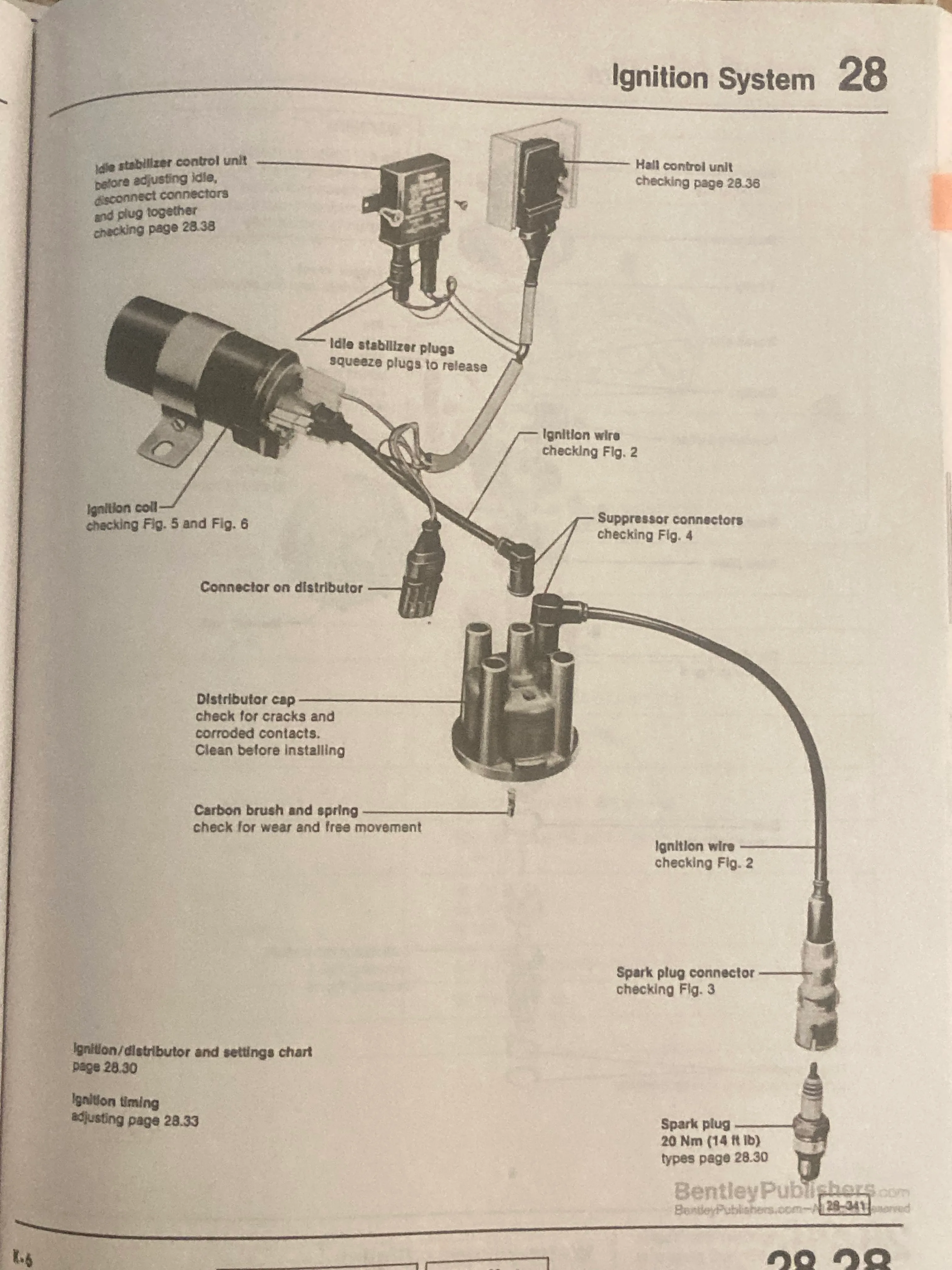
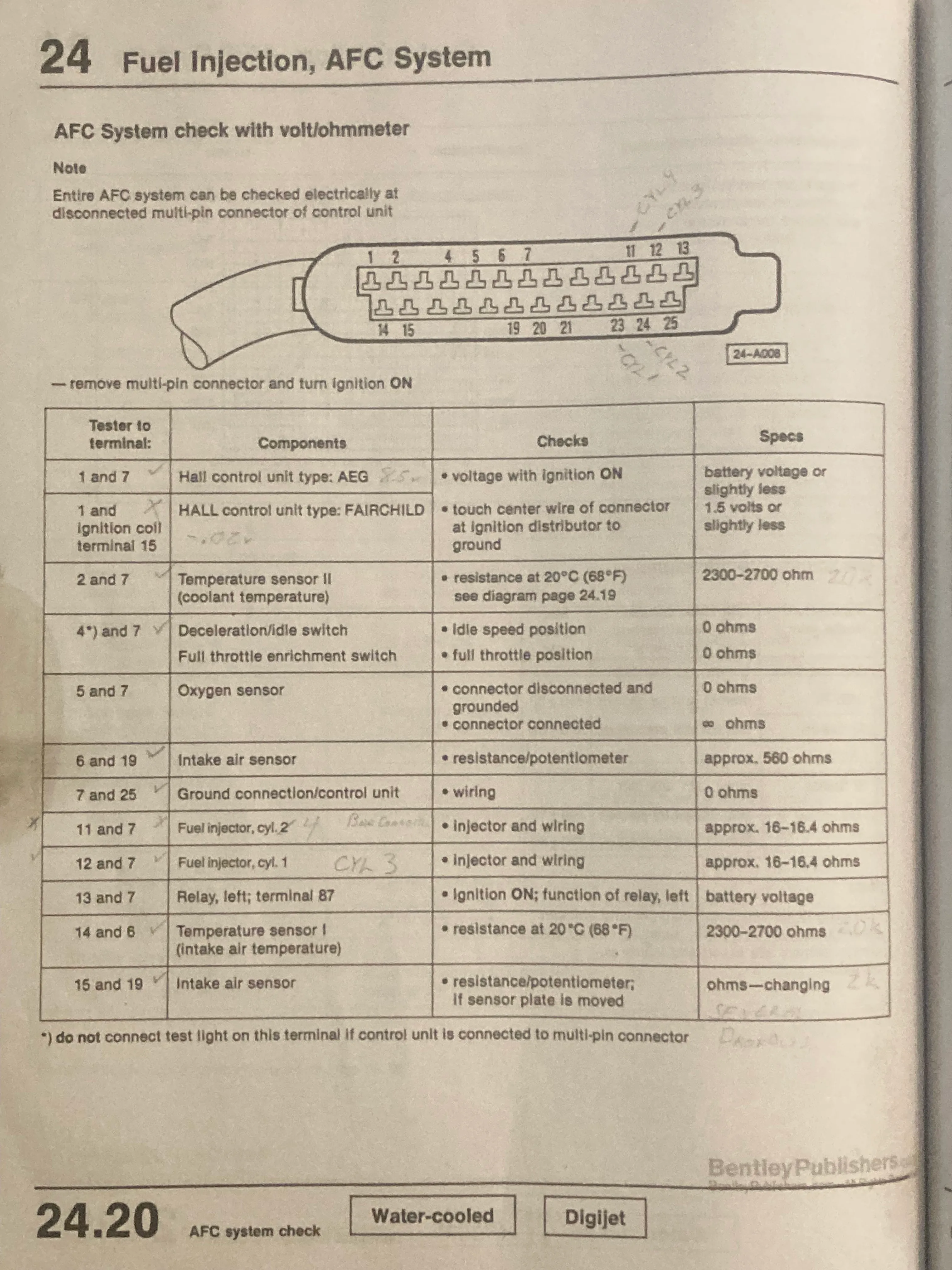
We read a lot of manual pages on this project.
The ECU Problem
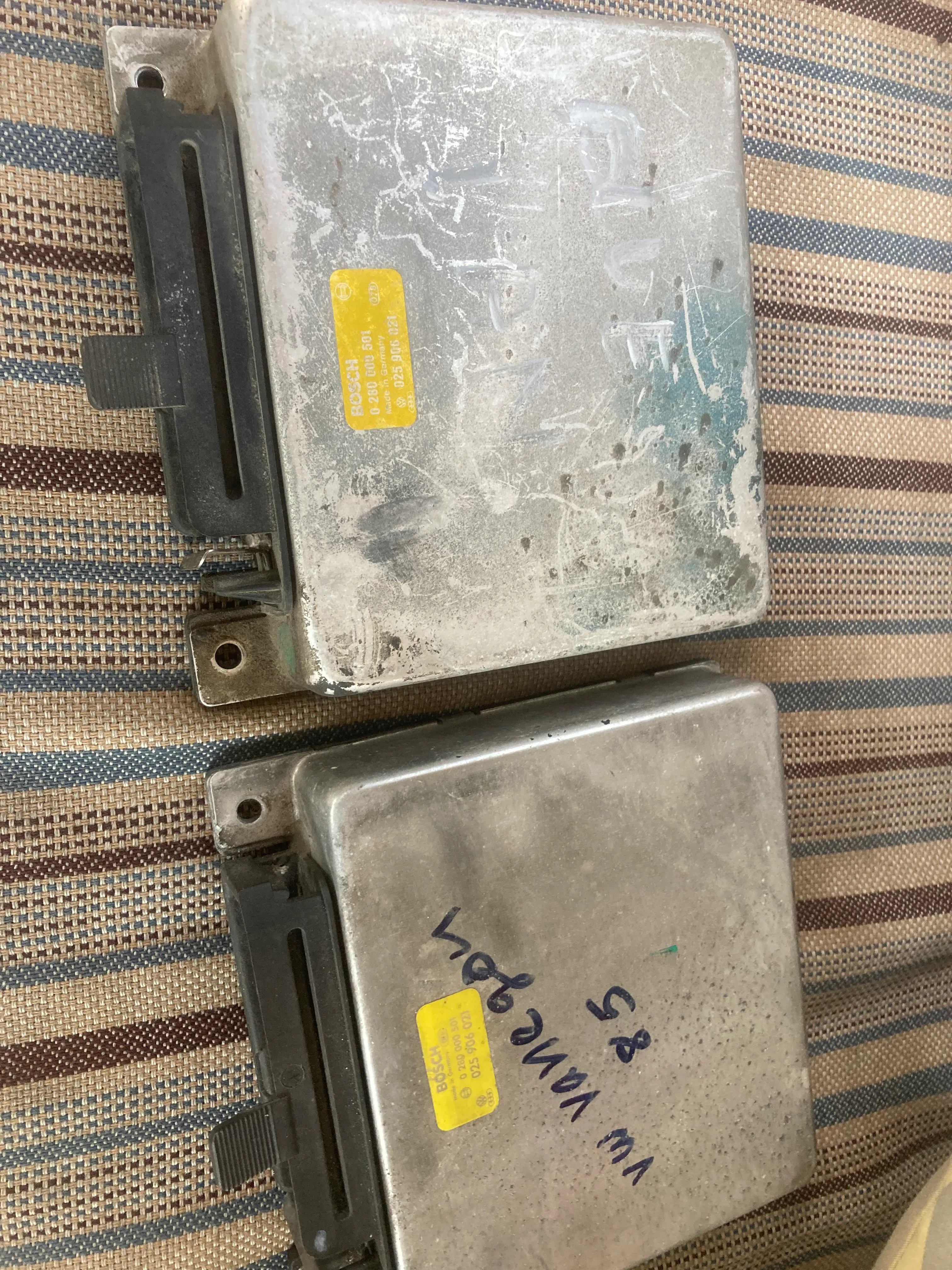
Once the wiring was sorted enough to trust our readings, we started chasing the real problem. We traced it to the ECU — the engine control unit, the brain of the CIS-E system.
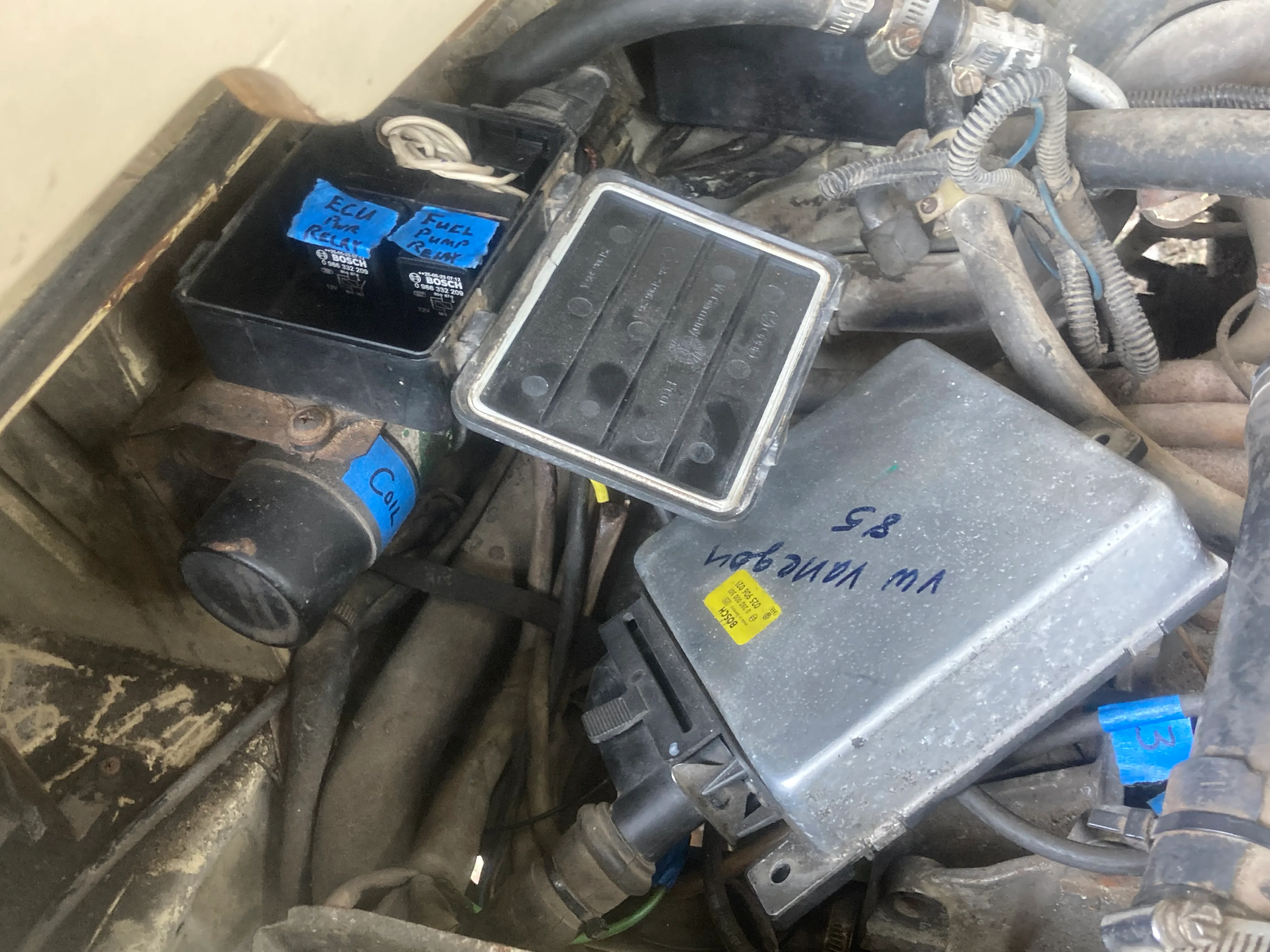
Here’s where the Vanagon gets specific: the ECU for a 1983.5 Westfalia is not manufactured anymore. It stopped being available a long time ago. Whatever units exist in the world are what exist. When yours fails, you find one — or you don’t.
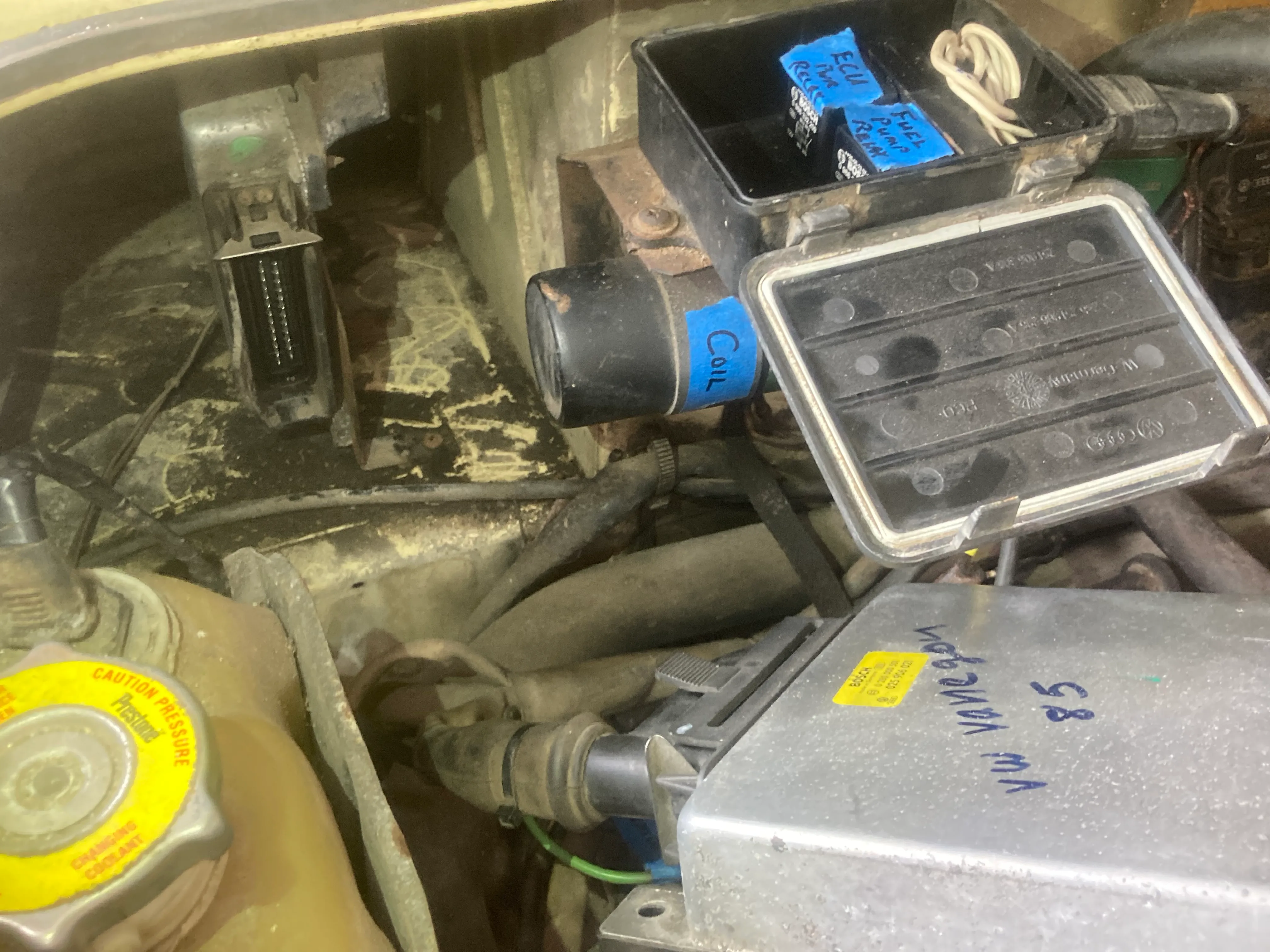
We found two on Facebook Marketplace. Forty dollars for one, a hundred for the other. Neither seller could guarantee they worked — that’s the nature of old parts, you’re buying from someone who may also have been stuck with a bad unit and is passing the gamble down the line.
We bought both. Shipped them in. Tested them against a system we now understood well enough to trust our readings. Found which ones were good. The original was bad. We had our answer.
The Interior
While the mechanical work was underway, we could see what we were really getting into.
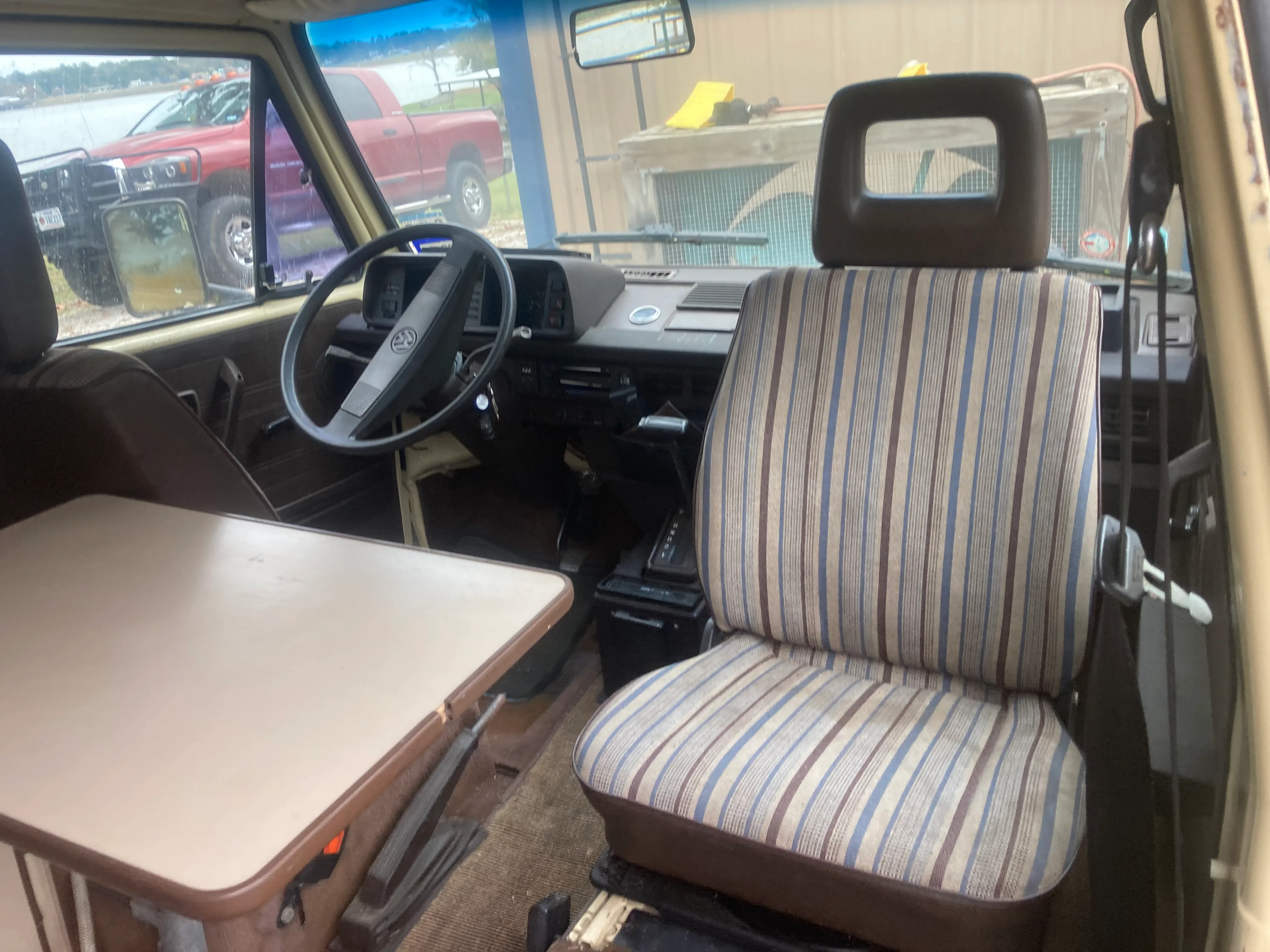
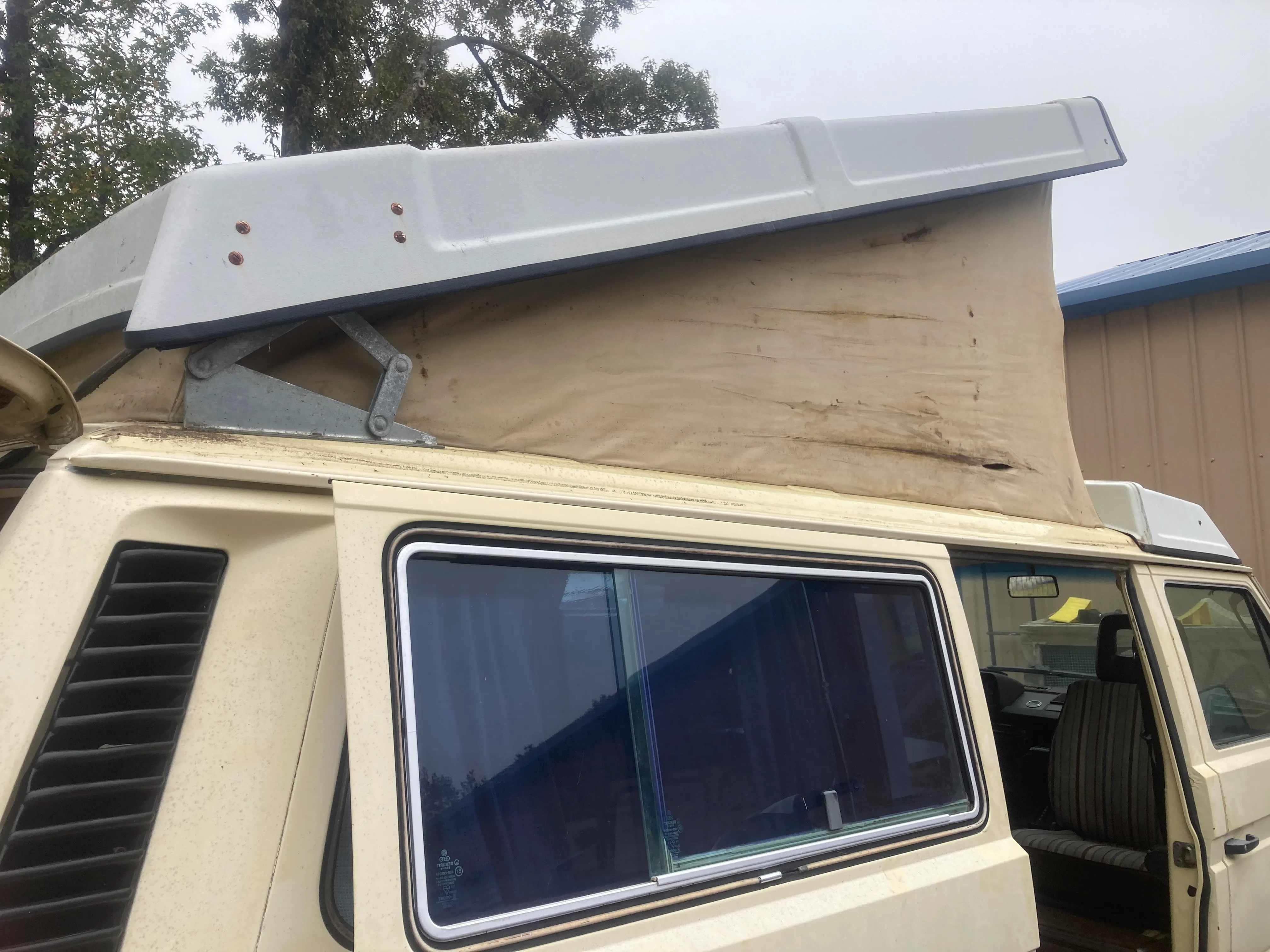
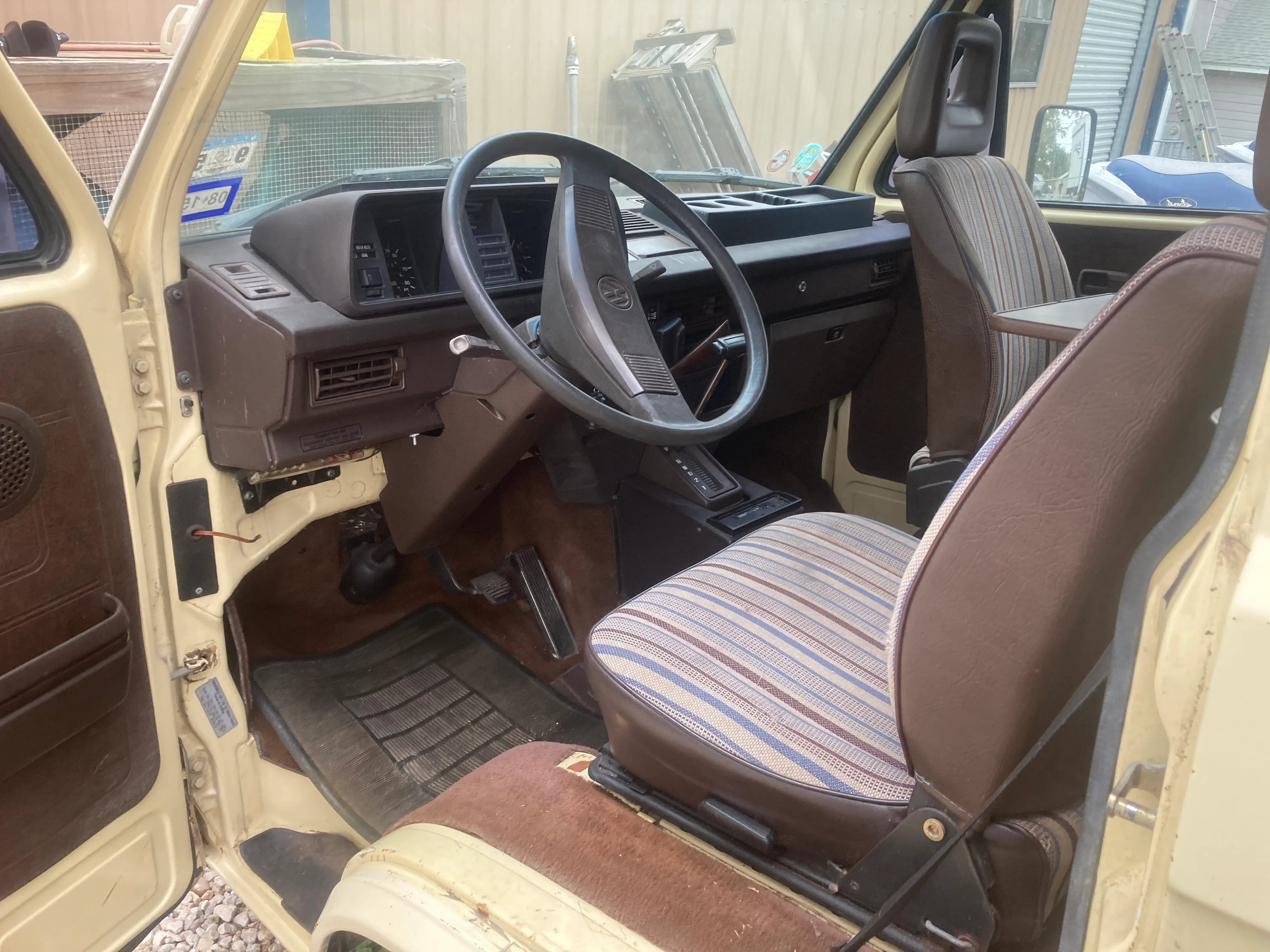
The Westfalia interior is the reason people want these vans. The pop-top, the fold-down bed, the built-in kitchen on the other side — it’s a tiny functional living space designed by people who took camping seriously. Fifty years of design evolution went into that layout and it shows.
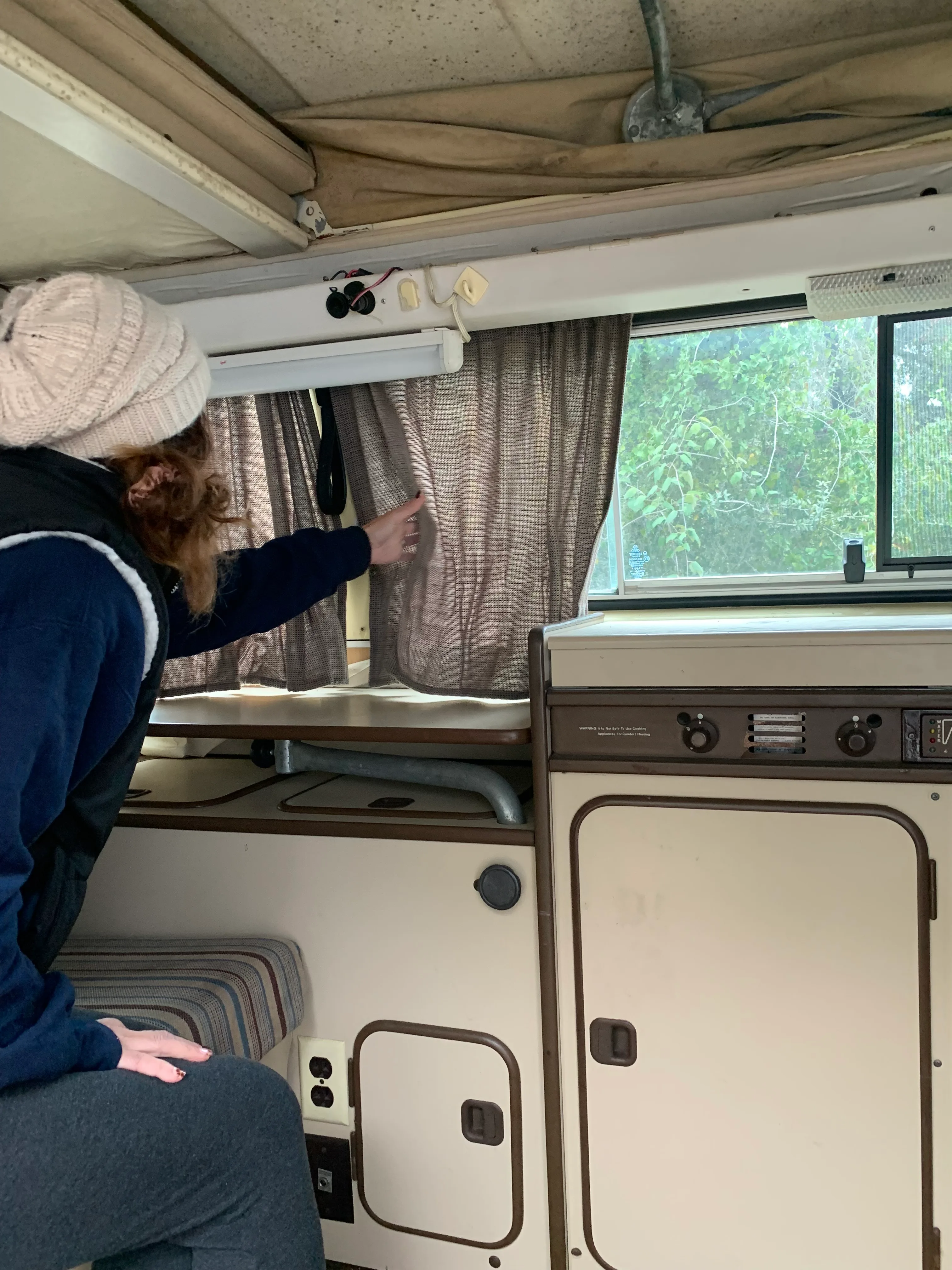
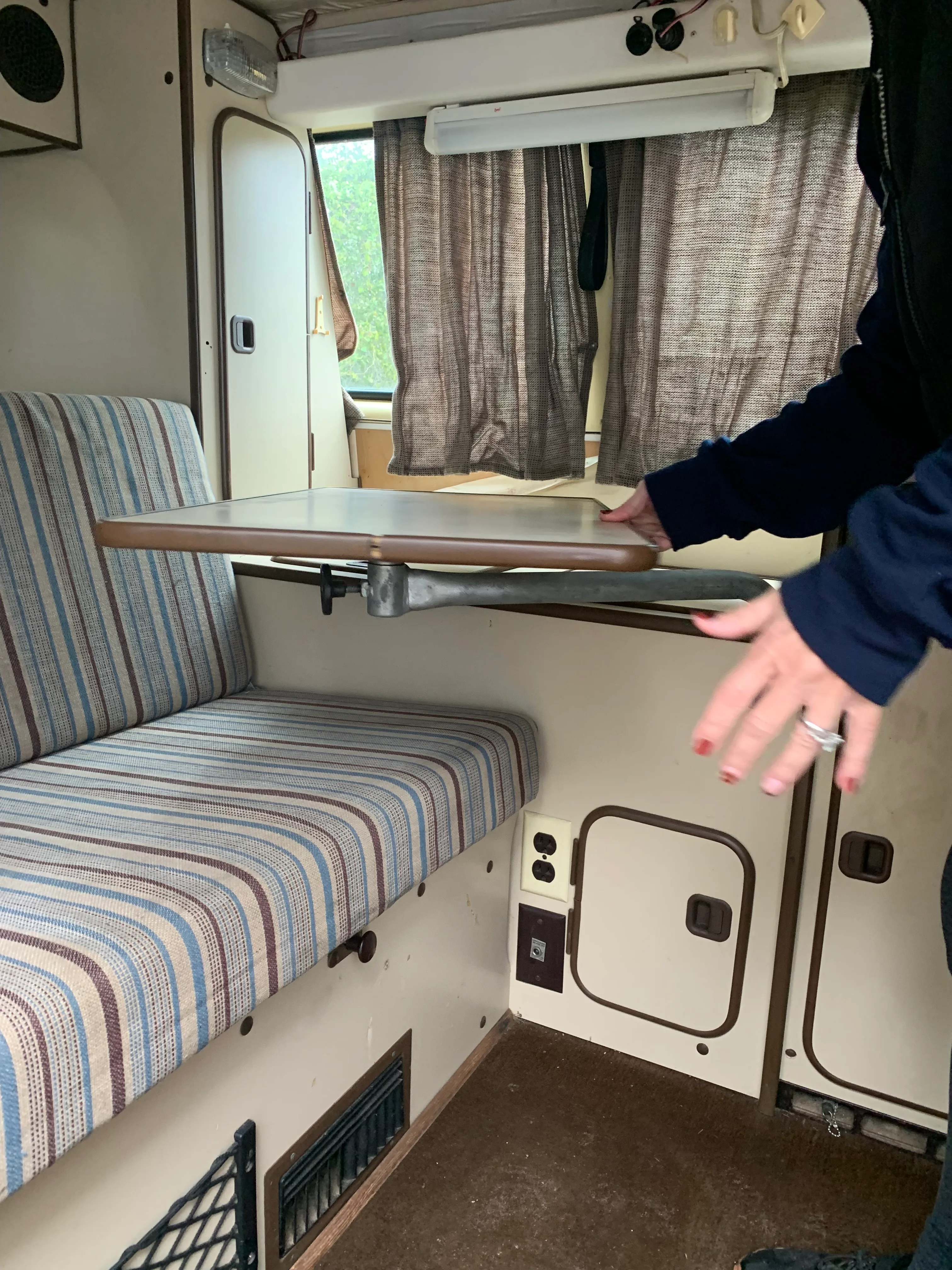
Getting all of that to work again is the goal. The shell is sound. The interior has good bones.
The Engine
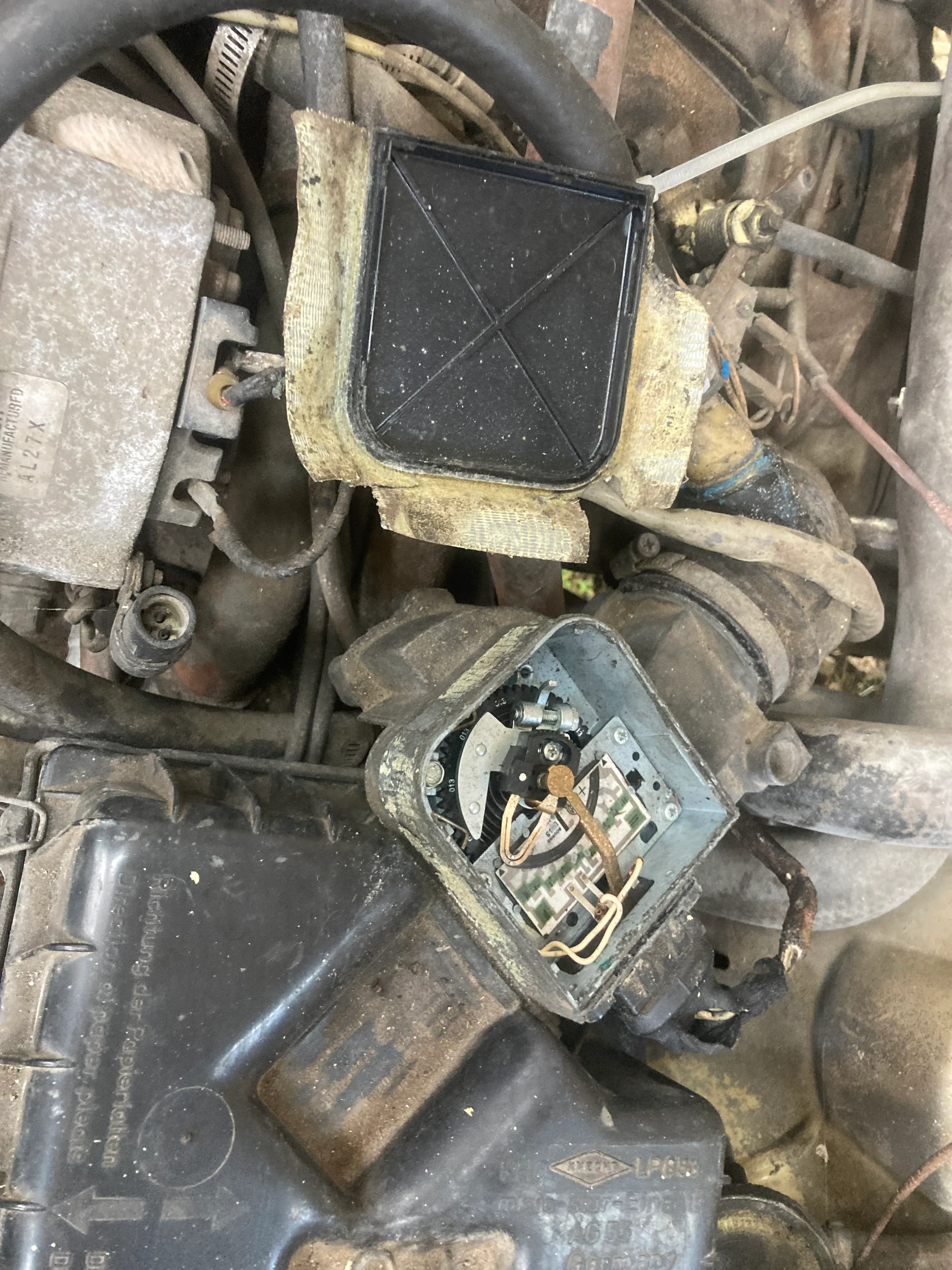
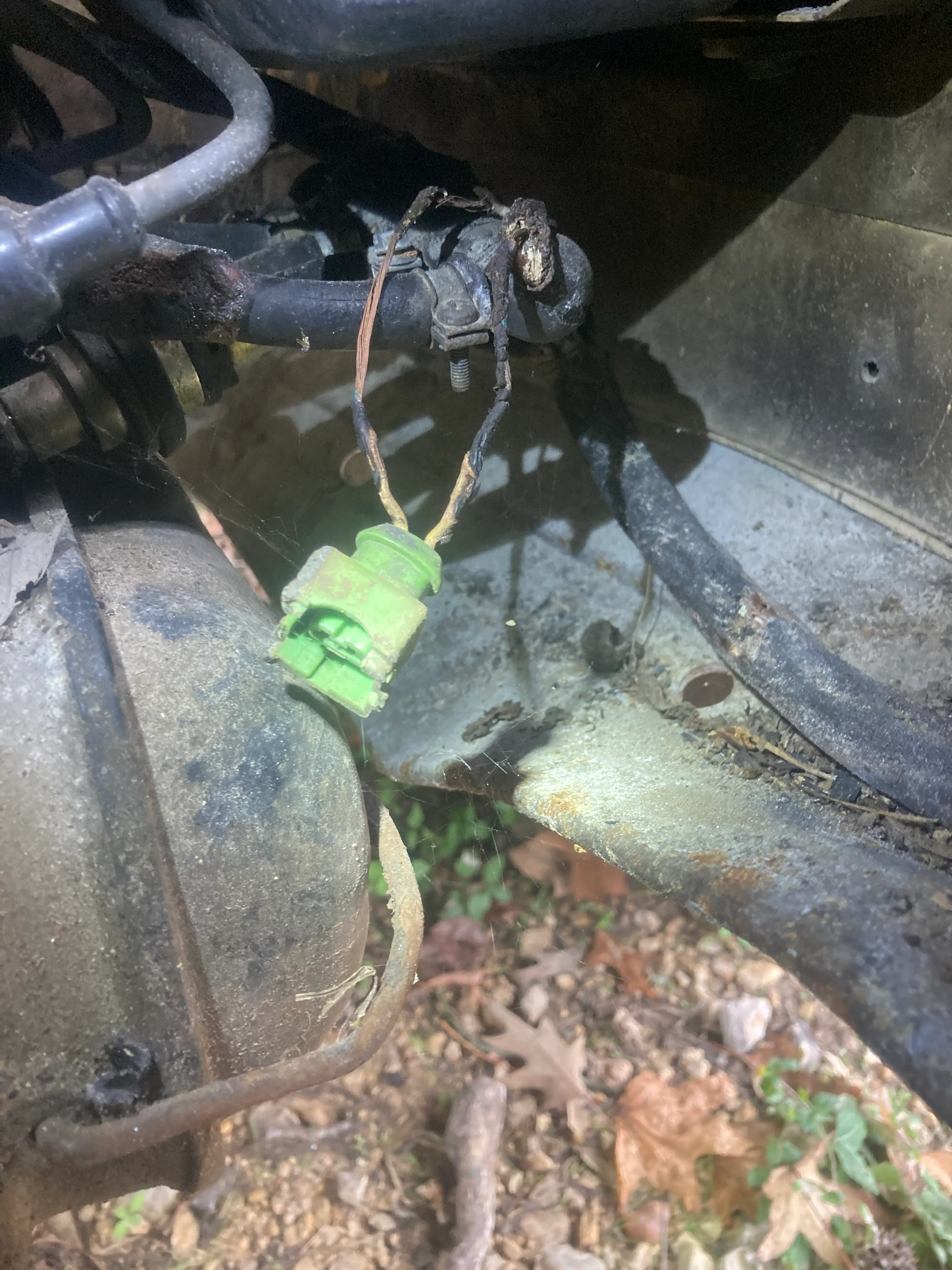
The 2.1-liter water-cooled engine sits in the back of the van — accessed from a hatch in the rear, or by removing the interior panel if you need to get deeper. It’s not the most accessible engine layout ever designed, but it’s manageable once you know where everything is.
The Detail That Caught Our Eye
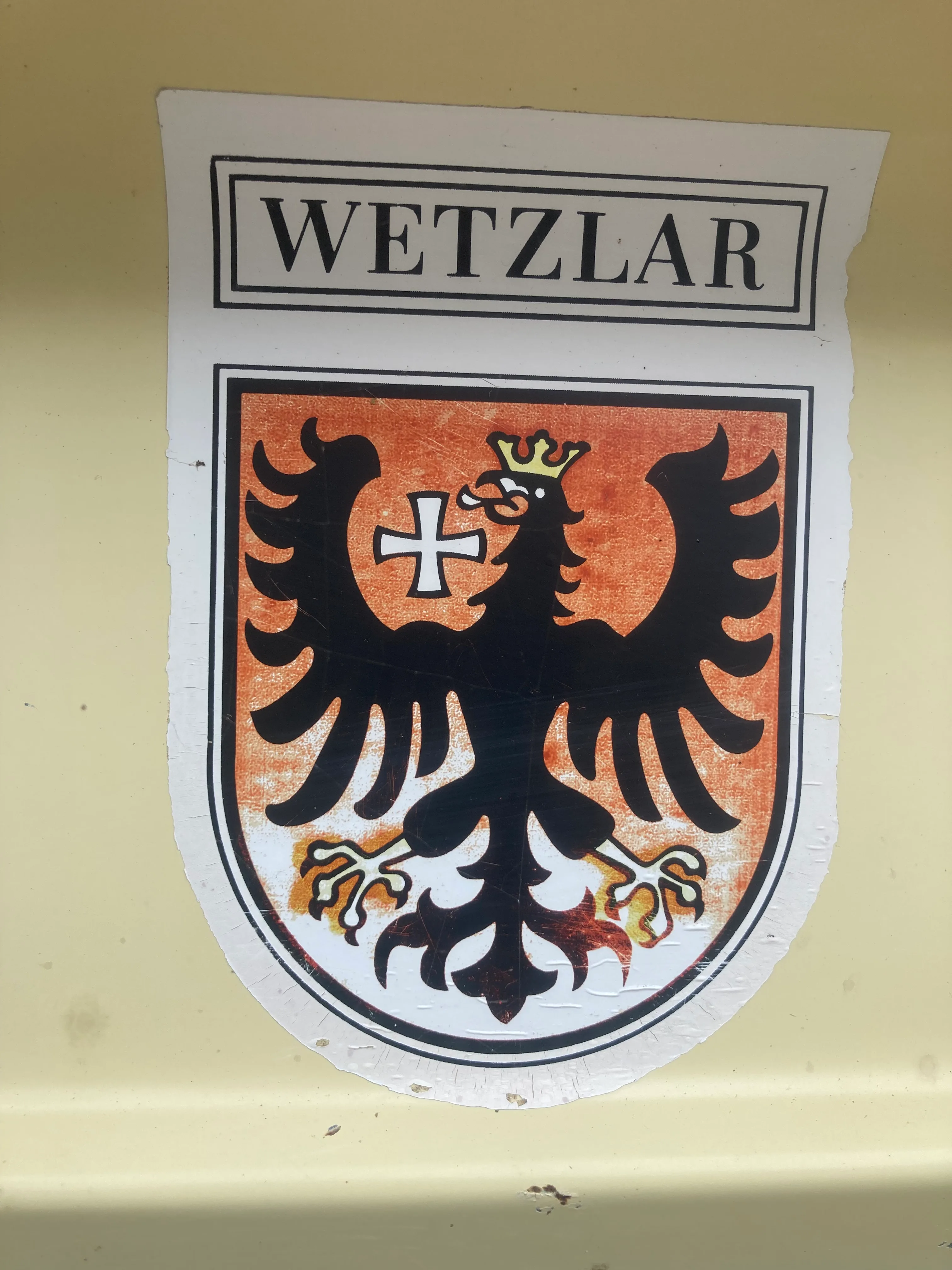
The Wetzlar emblem on the van. Wetzlar is a German city — known for optics manufacturing, Leica cameras, and as an industrial center. VW Westfalias were built in Germany before being shipped to the US market. Finding a piece of German regional identity still on the van after forty years is one of those details that makes an old vehicle feel like it has a story beyond what you can see.
This van came from somewhere. It’s been somewhere. Now it’s in our shop.
The Van Runs
The engine turns over. The fuel system talks to the brain. The outcome is no longer a question — it’s a project now, not a puzzle.
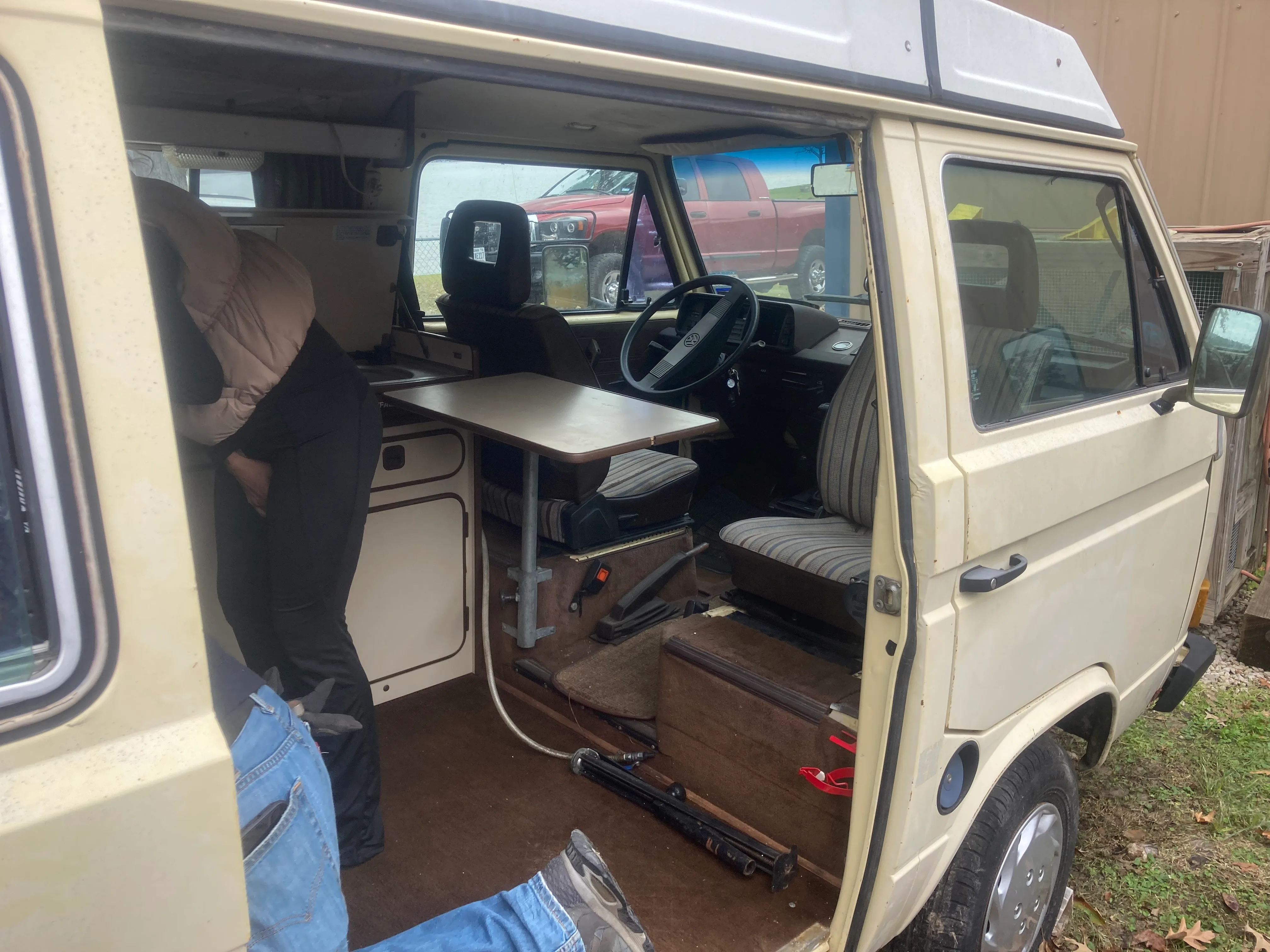
There’s still work to do. There always is on a build like this. The goal isn’t showroom condition — it’s a reliable, trustworthy camper that earns every trip it goes on. A pop-top with a working engine, a functional kitchen, and enough character that you feel the history every time you drive it.
We’ll document the build as it goes.
If you’ve ever thought about getting into an old van: understand what you’re signing up for. It’s a relationship, not a purchase. The van will ask things of you. The right answer is usually to keep going.
The point five is running. That’s a start.
Why we still reach for the SUV when the stakes are high: SUV vs. Van: Knowing Which Tool for the Job →