
SUV vs. Van: Knowing Which Tool for the Job
SUV vs. Van: Knowing Which Tool for the Job
Let me be clear about something before I make the case for the SUV: I love vans.
Not in the abstract, aspirational, Instagram-filter way that a lot of people love vans right now. I mean the actual thing — the mechanical relationship, the problem-solving, the process of keeping something old alive by understanding it. I’ve lived it. I’m still living it. There’s a 1983.5 Volkswagen Westfalia in my shop right now that I bought non-running, and I will get it running, and when I do I’ll be as happy about it as I’ve been about most things in my life.
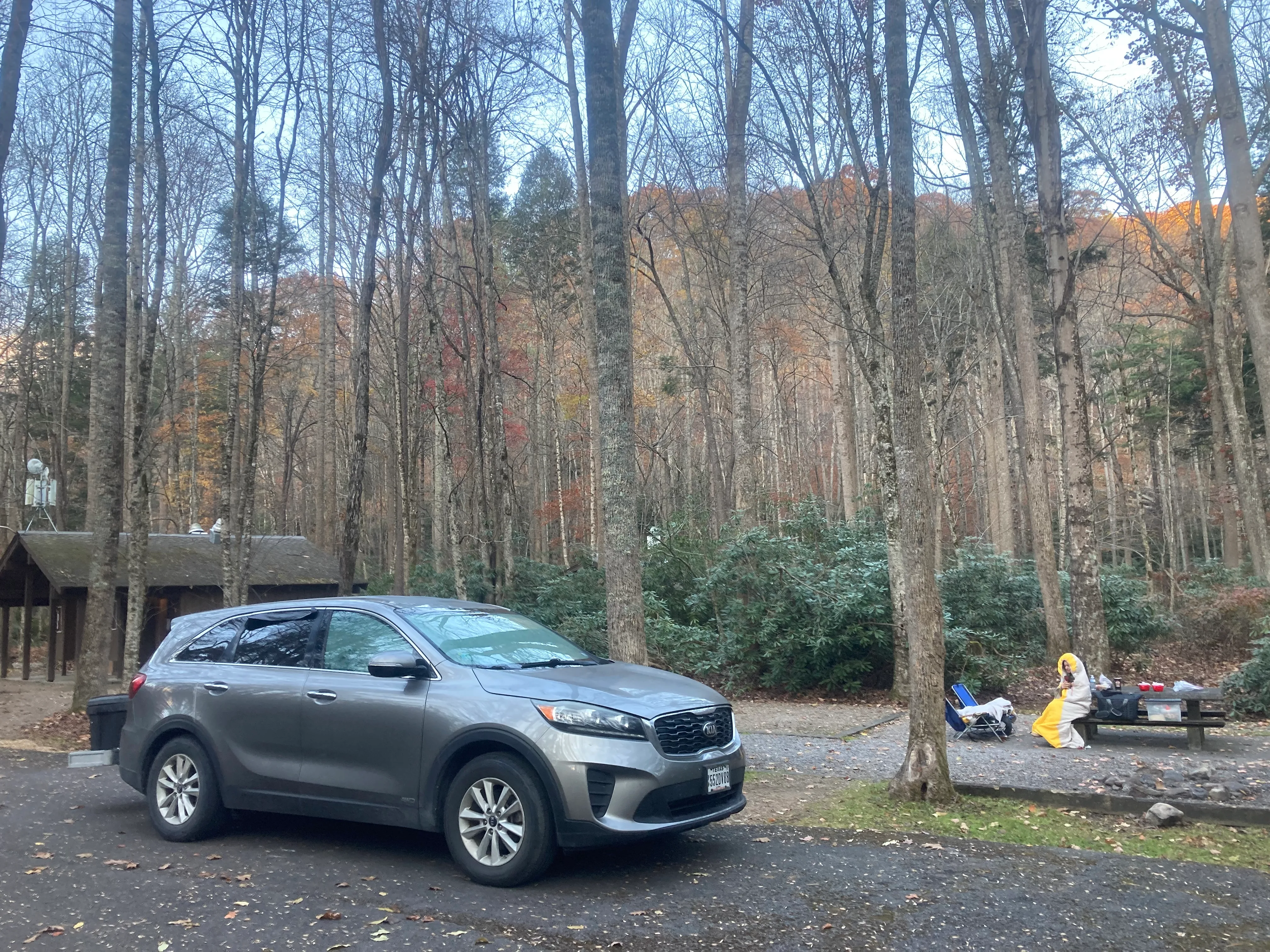
But I’m writing this in an SUV. And I want to explain why.
Billy Goat
Before the VW obsession, there was a Toyota. Toyota made a model in the 1980s called, simply, Van. Other markets called it the Space Cruiser. We called ours Billy Goat.
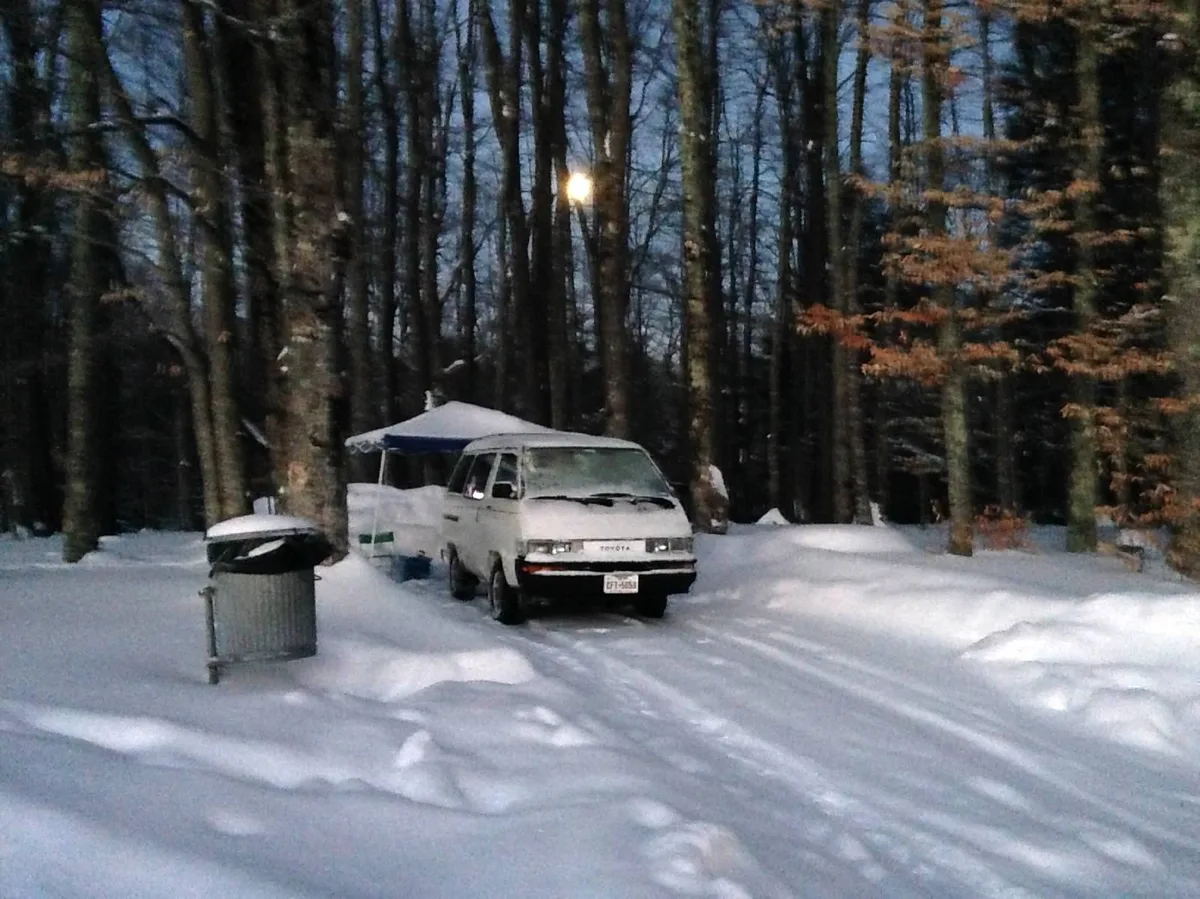
Short wheelbase. Small wheels. An engine you were basically sitting on top of, which meant the cab ran warm and the air conditioning was always in a negotiation with the temperature outside that it usually lost. The heater was hit or miss depending on the day and its mood. Nothing about that van was comfortable in the way the word comfortable usually means.
What Billy Goat could do was go places.
Forest roads in West Virginia under four to eight feet of snow. The beach shorelines of Key West. The roads that most reasonable people take one look at and decide are not their problem today. We didn’t reason about it. We pointed the short wheelbase at whatever was in the way and let physics work. Four-wheel drive when we needed it. Manual everything so there was nothing sophisticated to break at the wrong moment.
We dragged the kids from Key West all the way to Maine in that van. I don’t know what I was thinking. We had a blast.

Eventually reality intervened — no storage, maintenance demands that weren’t matching available time, and a lifestyle that shifted enough that we had to let it go. Selling Billy Goat was not a happy day.
The VW Chapter
The love of Volkswagen started earlier, with a beach buggy build. Air-cooled engine, took it apart and put it back together in the shop, watched something dead come to life because of time and attention. There’s nothing quite like that first start on an engine you’ve rebuilt yourself.
So when we had the shop and the time and the itch for a project vehicle, the direction was obvious. We found the ‘83.5 Westfalia. Didn’t run. The previous owner had tried to flip it without being a VW person — no love in the approach, no patience for what these vehicles ask of you. He’d hydrolocked a cylinder trying to force a start, pulled the spark plug, cranked the engine with gas spraying into the bay, and when spark met fuel the wiring harness caught fire. He’d burned the electrical system trying to get it started the wrong way.
First order of business: electrical rebuild. We got deep into troubleshooting. Eventually traced the problem to the ECU — the engine control computer. Which, for a 1983 Volkswagen van, is no longer manufactured. Doesn’t exist new. Whatever units exist are what exist, and when they go bad you hunt.
We found two on Marketplace. Forty dollars for one, a hundred for the other. Gamble on both, ship them in, tested until we found the good one. The van runs now. The project continues.
I’m telling you all of this because I want you to understand that the argument I’m about to make doesn’t come from someone who doesn’t get it.
The Honest Calculation
Here is the situation where the van loses: triple-digit heat, sparse civilization, no Volkswagen mechanics within a hundred miles, Polly, and two dogs.
That combination is not a scenario where the cool factor is worth anything. That is a scenario where you need a vehicle that will not strand you somewhere dangerous, has functional air conditioning because the alternative for a dog in that heat is fatal, has safety systems because the roads are narrow and the traffic doesn’t slow down, and has a dealer service network because when something goes wrong in the middle of nowhere you need a repair path that doesn’t involve sourcing a forty-year-old ECU from Marketplace.
I’m not willing to put my people in a dangerous situation for the cool factor. That’s the thesis. That’s the whole argument.
The SUV gets 25 miles per gallon on the highway. It has lane departure warnings and forward collision alerts — not luxury features, functional tools on a highway where everyone around you is driving like they’re late for something important. When it breaks down, there’s a dealer in the next town and a rental car at the airport. The breakdown scenario, as bad as it is, has a resolution path.
The vintage van is a different relationship. It asks something of you constantly, and usually the ask is reasonable, and usually you enjoy answering it. But there are conditions where the ask becomes unreasonable — where the charm of old machinery becomes a liability for the people depending on you to make good decisions.
Which Tool for Which Job
This isn’t a permanent position. When the Westfalia is running the way it should, when the conditions are right — cooler temperatures, shorter distances, places with a VW community — it will go places the SUV doesn’t make sense for. The SUV camping setup we run is the tool for the hundred-degree desert summer trip, the long highway miles, the scenario where I need to know it’ll get everyone home.
The VW is for the days when the romance of the machine is actually part of the trip, not a risk to it.
Knowing which is which is the whole game. The people who get in trouble are the ones who can only see one tool and try to use it for everything.
I have both. I’m using them correctly.
Read how we actually set up the SUV for camping: The Honest Truth About SUV Camping → · Car Camping Hacks That Actually Work →