Sea Lion Caves, Oregon: 208 Feet Down Into the Largest Sea Cave in North America
Sea Lion Caves, Oregon: 208 Feet Down Into the Largest Sea Cave in North America
The parking lot is right on US-101, 11 miles north of Florence, on a blind corner.
We’re mentioning this first because the approach to Sea Lion Caves requires the kind of road-crossing alertness that wakes you up faster than coffee. The traffic comes around that curve with no warning and no particular interest in yielding to tourists making their way from the car to the entrance. Watch for it.
Once you’re through the entrance and out of the flow of international visitors already queuing for tickets — and there will be international visitors; this place draws a global crowd — you walk to a small elevator cage set into the headland and wait for it to open.
What happens next is one of those moments where you find out whether $18 was a reasonable price.
The short answer is yes.
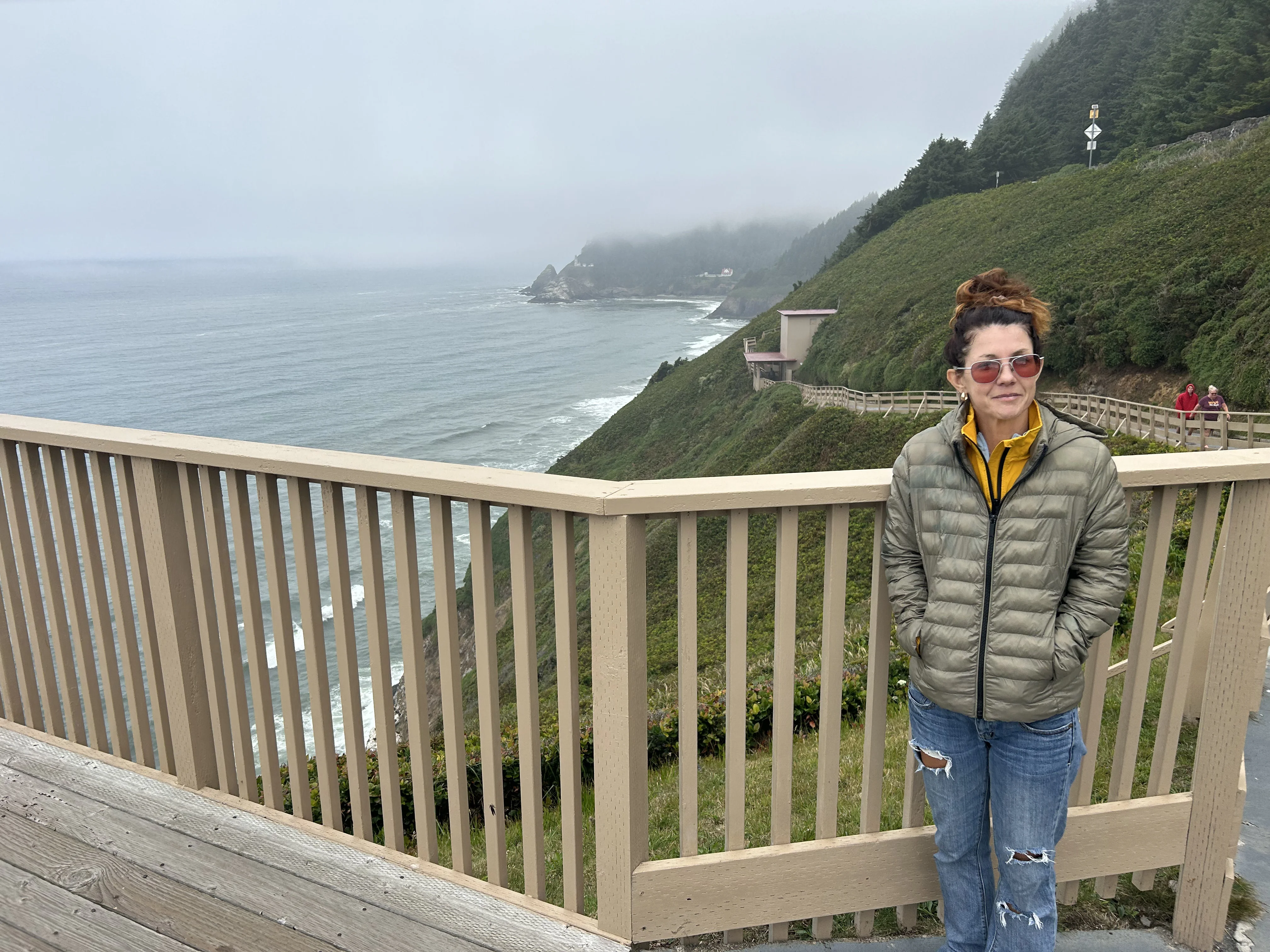
How You Get Into the Cave
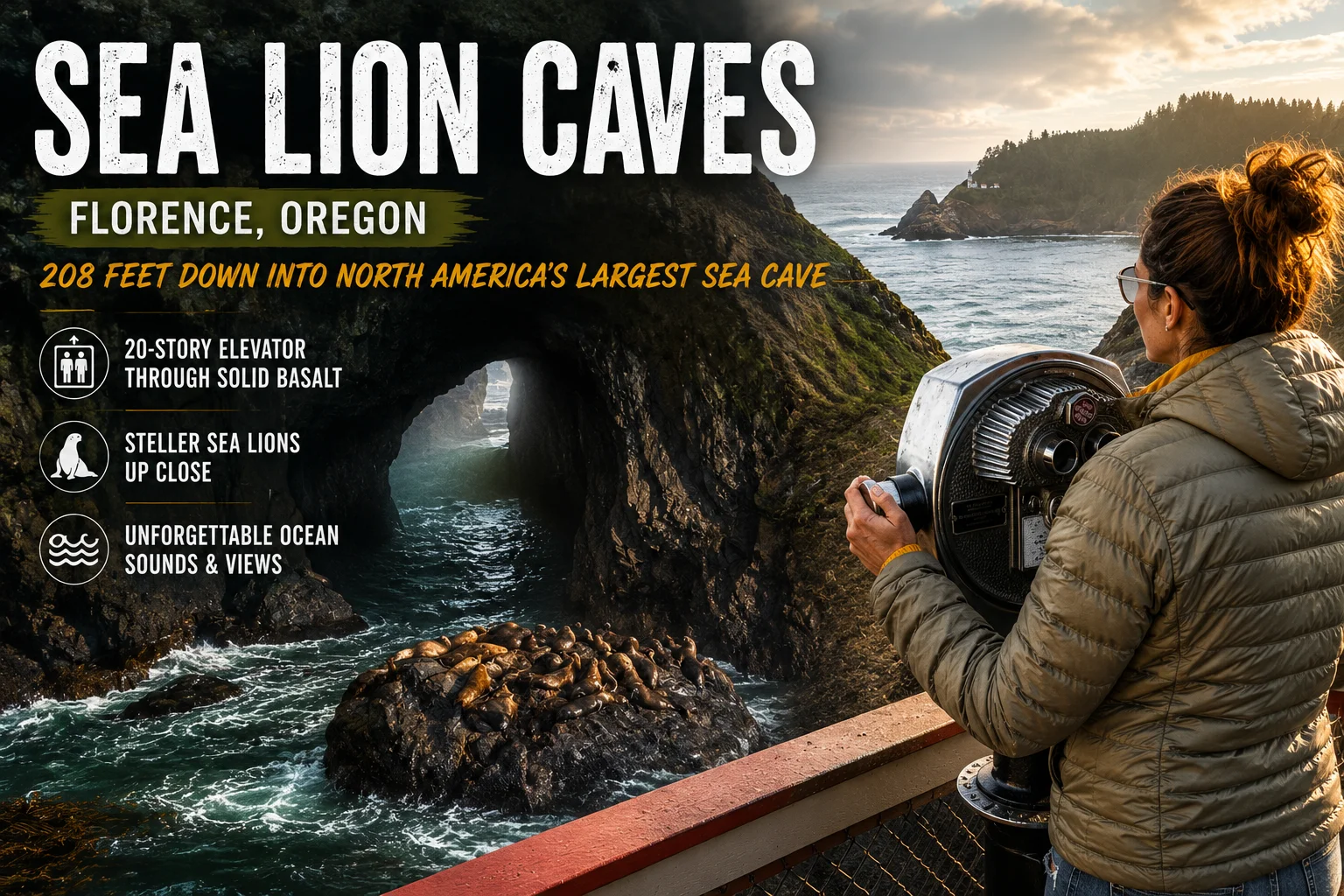
The elevator at Sea Lion Caves descends 208 feet through solid basalt — roughly 20 stories of pure rock.
Tortuga and I are not claustrophobic people. We’ve crawled through passages in caves where the only light was the one on our foreheads. But this elevator, packed with other visitors, moving slowly down through the cliff while you watch the rock walls slide past through the window, produces a specific sensation that isn’t quite claustrophobia and isn’t quite vertigo but is something adjacent to both.
You don’t say anything about this out loud.
You watch the rock.
At the bottom, the doors open and the cave opens around you — and you realize that the tight elevator was worth it for exactly the reason elevators into caves are worth it: the scale of the space on the other side.
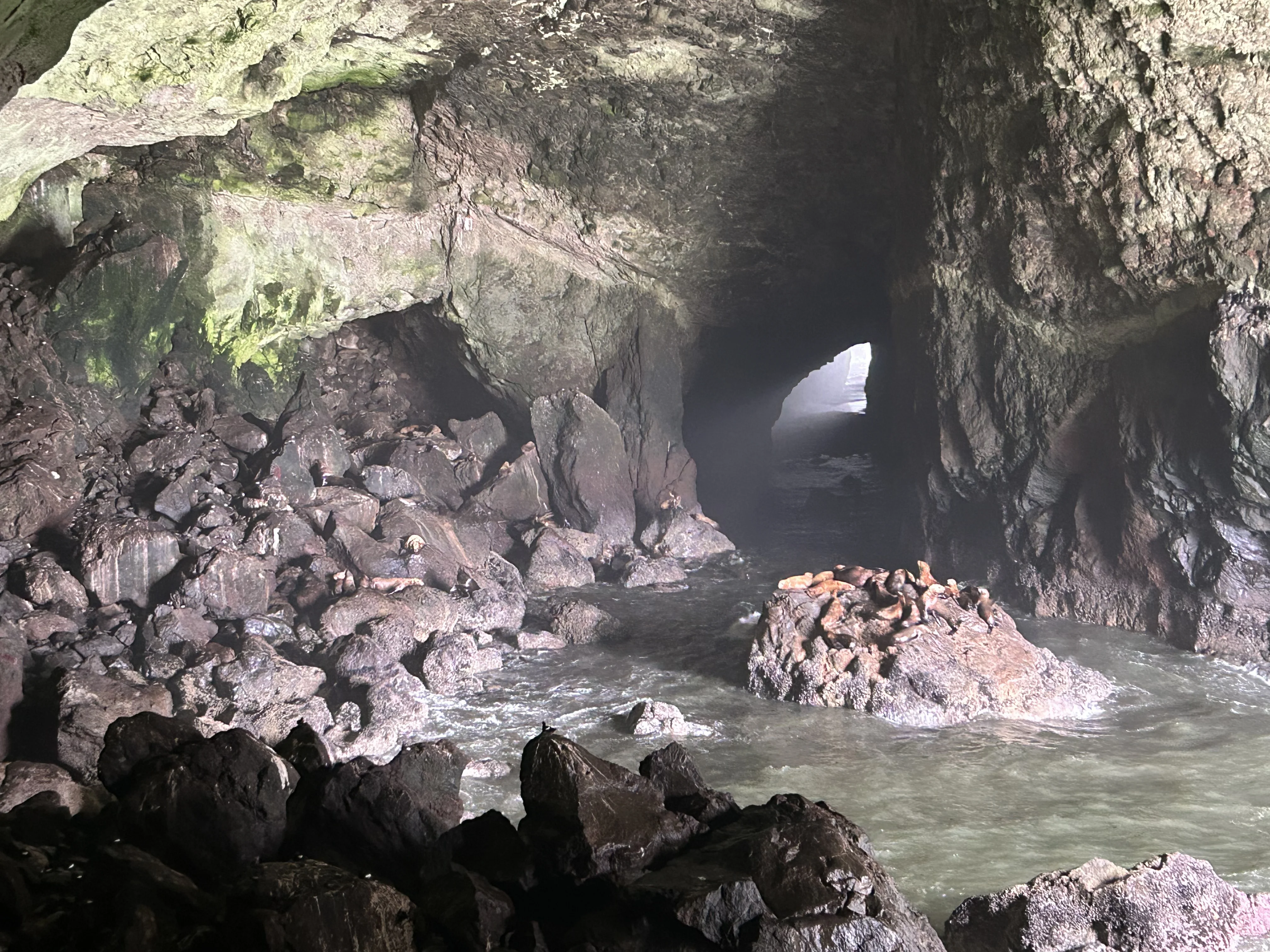
The Cave Itself
Sea Lion Caves is the largest sea cave in North America.
That description doesn’t quite prepare you for what it actually means.
The main chamber — which some people call Cathedral Hall — is massive enough that the sound inside it is its own experience before you’ve even seen the sea lions. Ocean swells push through the cave entrance, which opens directly to the Pacific, and the acoustic effect of all that water and rock working together is enormous and constant.
The cave is carved into a basalt headland and has been shaped by thousands of years of wave action. The rock walls are black and slick. The light comes from the ocean entrance — a shifting, blue-green underwater illumination that changes with the swell. There are also viewing windows and walkways that put you above the sea lion area without being close enough to disturb them.
When Steller sea lions are present in the cave — which is more common in fall and winter, when they move inside for shelter — the sound of several hundred very large marine mammals adds itself to the ocean noise and produces something that is neither pleasant nor unpleasant but is completely unforgettable.
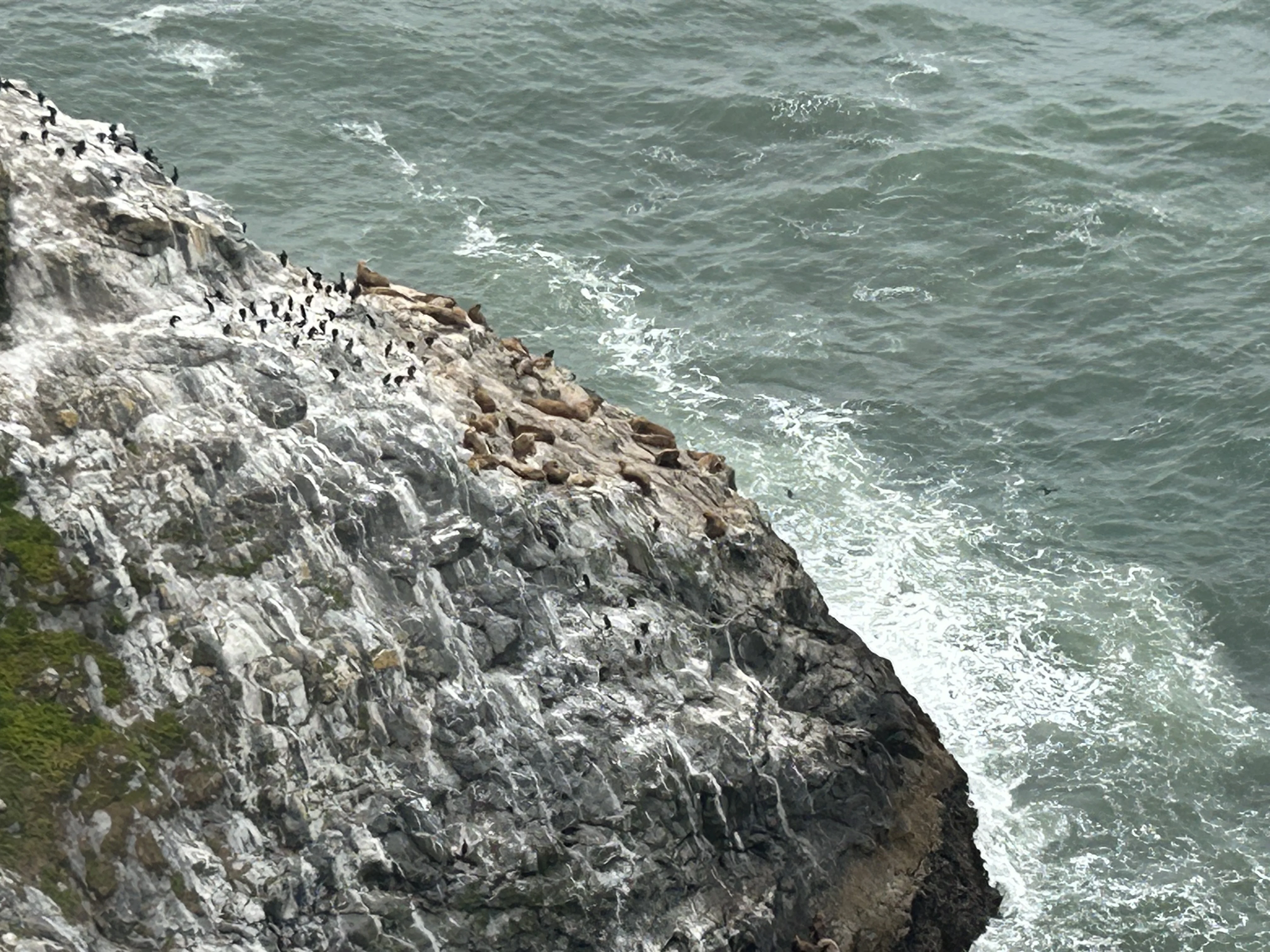
The Sea Lions
Steller sea lions are the largest of the eared seal family.
Males — called bulls — can reach 11 feet long and weigh more than 2,000 pounds. We are saying this so you understand that when we watched them haul themselves up the rocks outside the cave entrance, we were watching 2,000 pounds of marine mammal do something that looks profoundly uncomfortable and that they do anyway because the alternative — staying in the water where orcas and white sharks operate — is apparently worse.
Polly asked why they don’t just use the beach.
The answer, as best we can reconstruct it from what we read at the cave and what we know about sea lion behavior, is that Steller sea lions don’t actually prefer sandy beaches. They evolved to haul out on rocky outcrops, sea caves and steep headlands. The rocks are above the tideline. Predators don’t follow them there. The cave offers shelter from storms in winter and a place to den through the cold season.
The effort of climbing the rock — and it is clearly effort, watching them do it — appears to be exactly worth it to them.
Watching one seal haul itself up about six feet of near-vertical basalt using mostly front flippers and persistence, then flop down at the top like the whole thing was perfectly normal, was one of the more honest things we’ve seen an animal do.
The Skeleton Remains
This is something that caught us off guard.
There is a section in the cave with sea lion skeletal remains on display alongside interpretive information about the animals and the cave.
The cave is, among other things, where some sea lions come to die.
The interpretive displays handle this matter-of-factly and it’s the right approach. Sea Lion Caves is a working, functioning natural environment that happens to be inside a mountain. The bones aren’t morbid decoration — they’re evidence of how this place has functioned for thousands of years.
The displays include information about sea lion biology, cave geology and the history of the attraction. We spent more time reading them than we expected to.
The History: A Sea Captain and a Rope
Sea Lion Caves was “discovered” in 1880 by three men who were out in a boat when a storm drove them into the cove at the base of what is now the entrance. Among them was William Cox, and the cove and cave he found that day would eventually be developed by his family into the attraction it is now.
Cox’s family homesteaded the land above the cave and held it through decades when the only access was the cliff itself — a rope descent that the genuinely adventurous could manage, and that most sensible people would not.
The tourist era began in 1932 when the attraction was formally opened to the public with a stairway system that still required commitment — steep wooden stairs down a cliff face that made the final approach to the cave something of an adventure in itself.
The stairway era lasted until 1961, when the current elevator was installed.
Think about that for a moment: someone looked at this cliff, decided the right solution was to drill 208 feet of elevator shaft through solid basalt, and did it. This was 1961. The engineering involved in sinking an elevator shaft into an active marine headland, with ocean water and wave action working on the rock from below, was not a small project.
The elevator is why the cave is accessible to essentially everyone who wants to visit. Before it, the demographic was mostly people who were comfortable on ropes on sea cliffs in Oregon weather.
The family still owns and operates Sea Lion Caves today.
The Second Observation Area
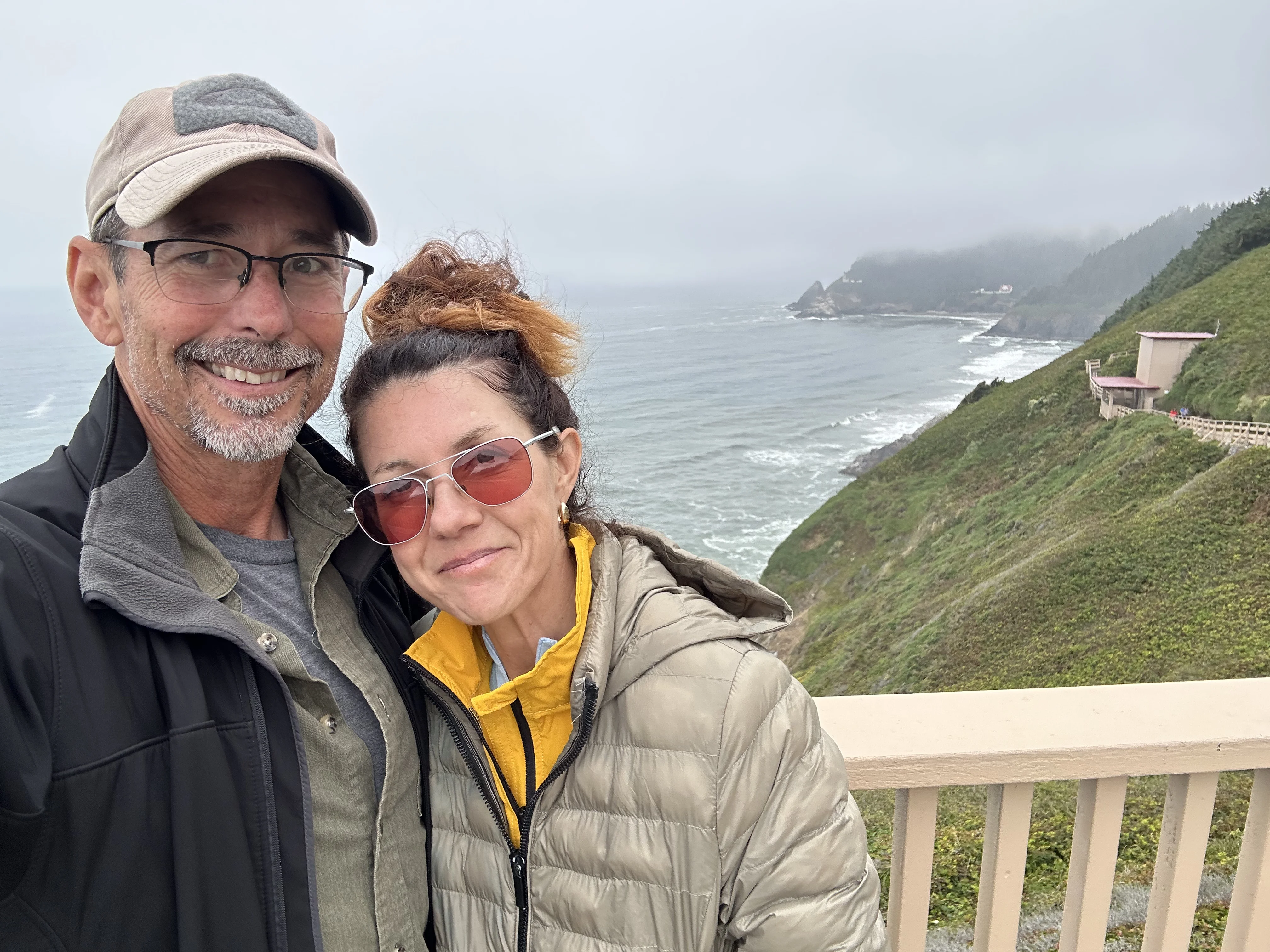
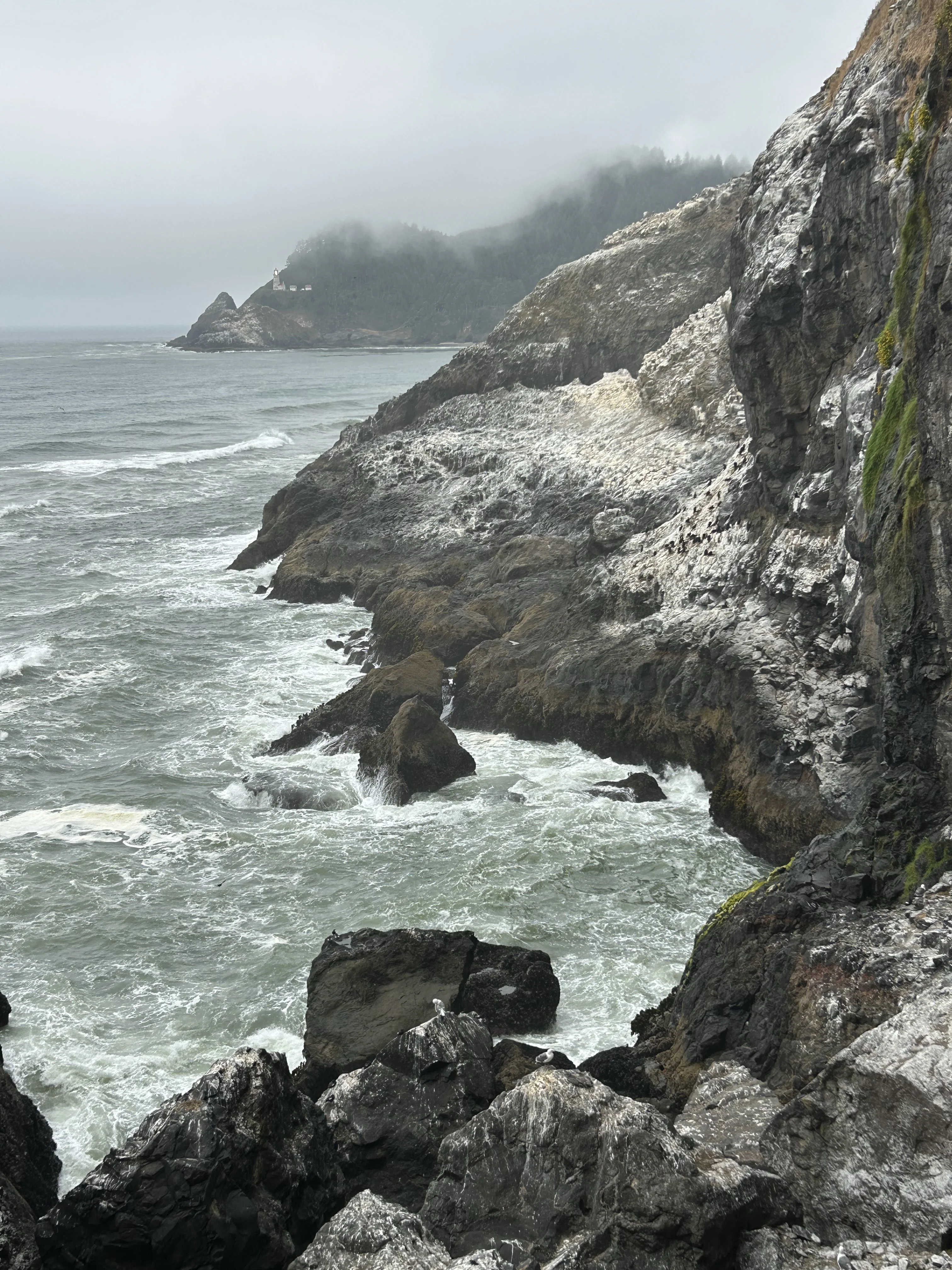
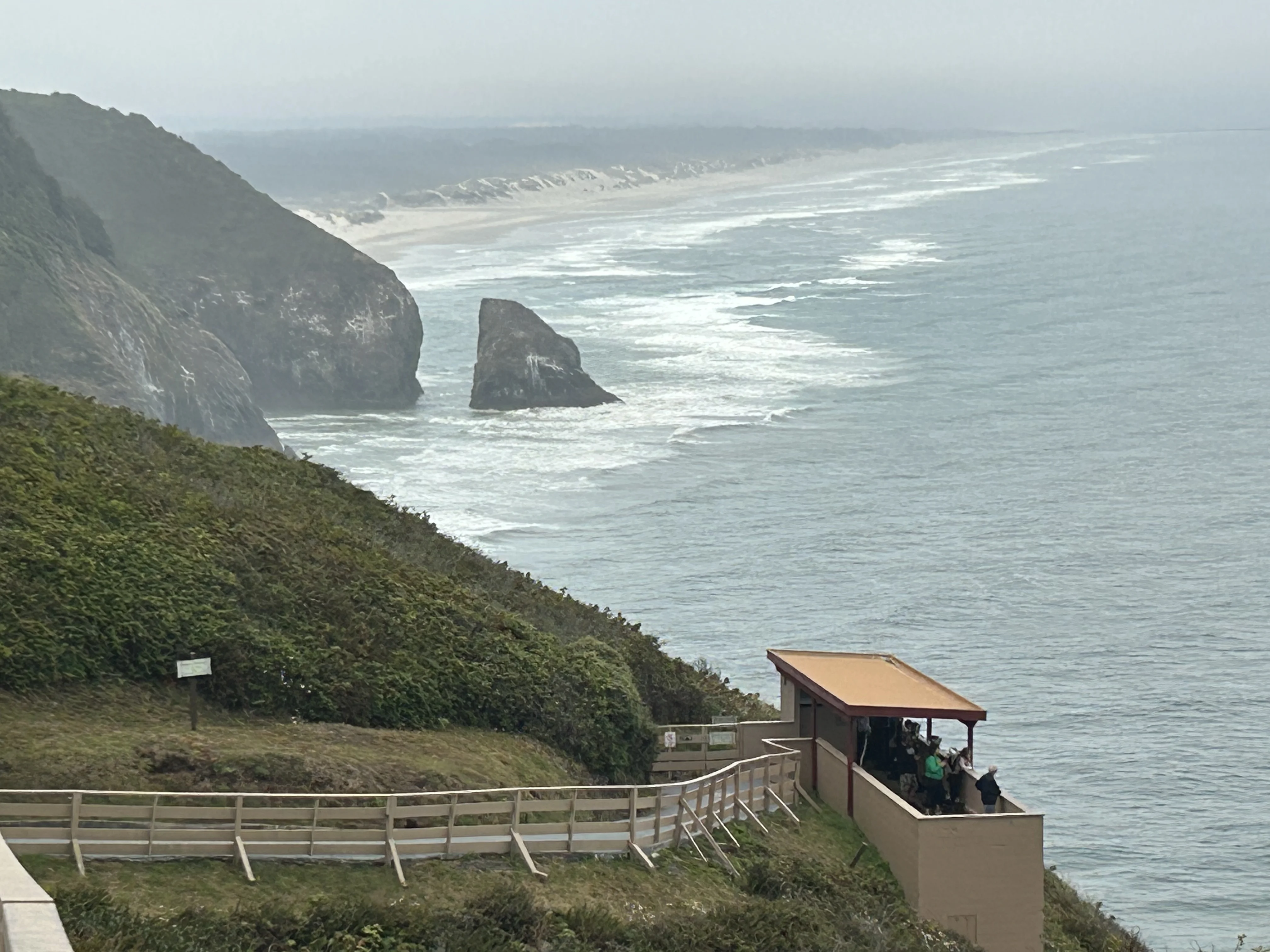
Beyond the cave itself, Sea Lion Caves has a separate outdoor observation point on the headland above the main haul-out area — the rocky zone where sea lions gather in numbers outside the cave, visible from above.
This viewpoint is included in your $18 and is worth spending time at before or after the elevator descent.
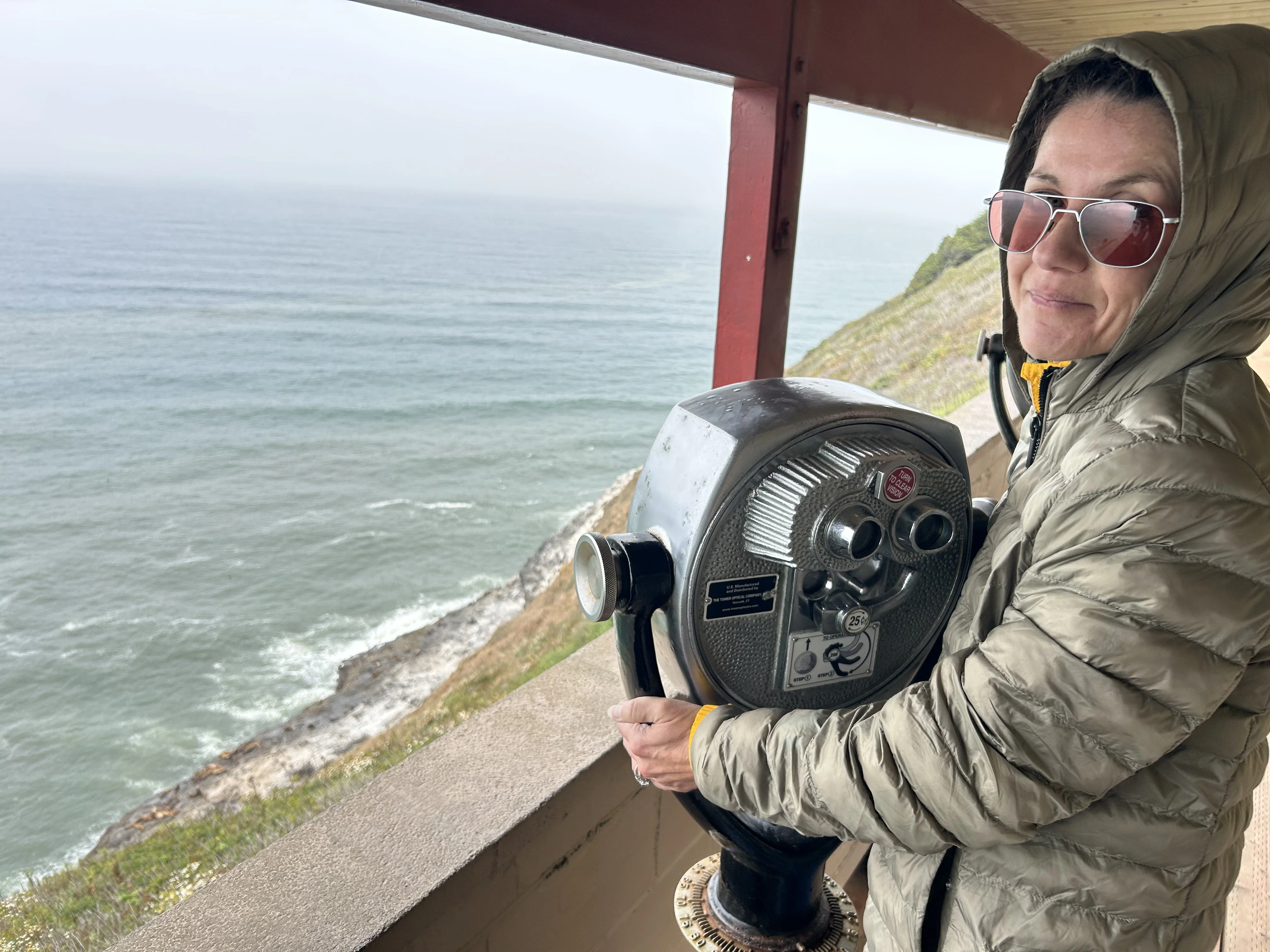
We carry the Nocs compact binoculars for wildlife situations exactly like this — from the observation deck you’re far enough above the haul-out that binoculars close the distance considerably without disturbing the animals.
We watched sea lions from both positions and they’re genuinely different experiences. From inside the cave you hear them before you see them and you’re at their level in their environment. From the outside viewpoint you’re looking down at the haul-out and you can see the full colony scale more clearly.
The international visitors, we noticed, spent equal time at both.
The Mystery Animals in the Surf
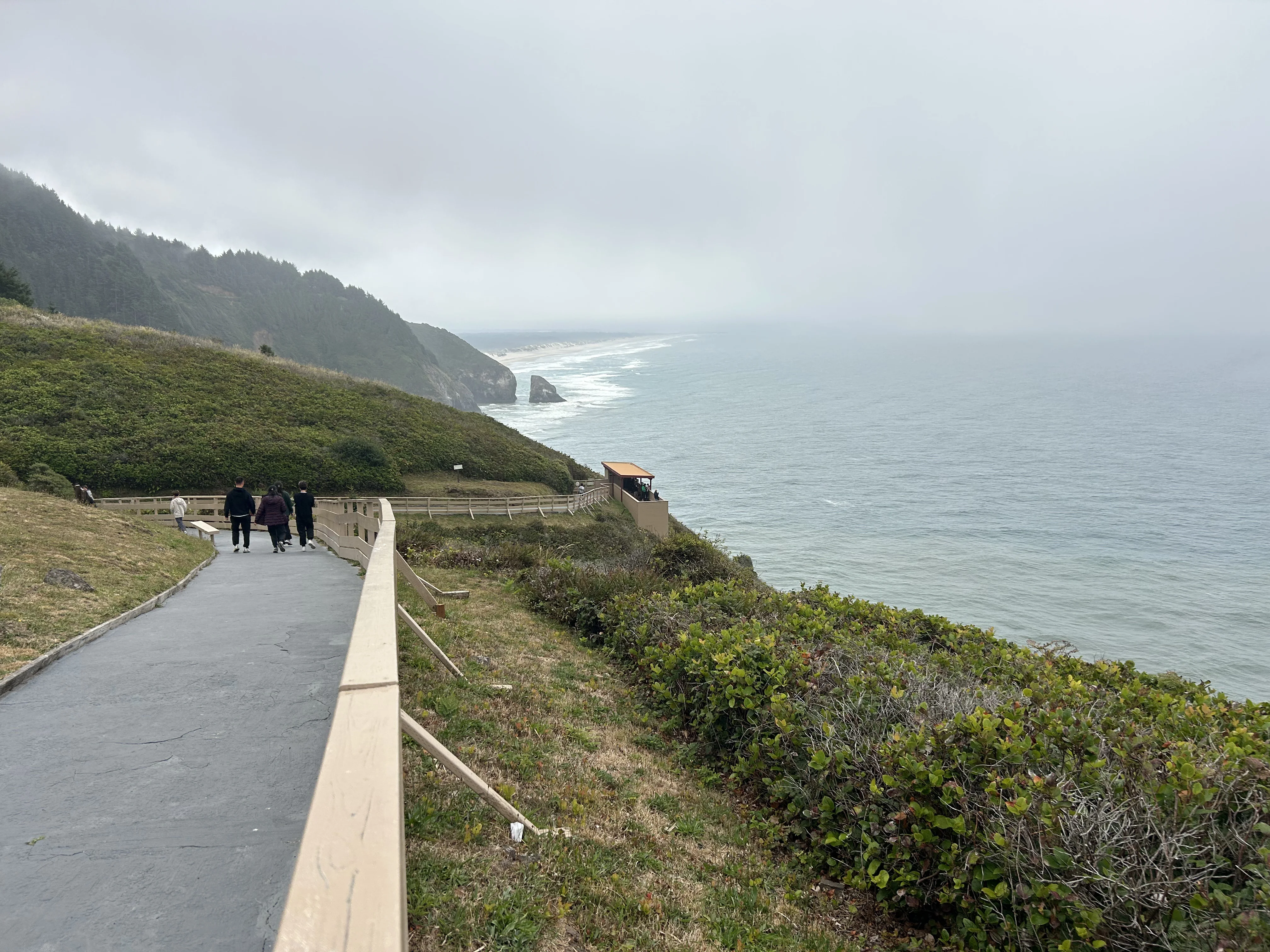
While we were somewhere near the Oregon Dunes area north of Florence, we spotted heads in the surf — just heads, bobbing in the water offshore, watching us with apparent calm.
These were almost certainly harbor seals.
Harbor seals (Phoca vitulina) are smaller and rounder than Steller sea lions and considerably more common along the Oregon coast. They float in the surf with their heads up at that distinctive angle, whiskers pointed toward shore, watching whatever is happening on the beach with the energy of someone at a brunch they didn’t entirely want to attend.
They’re not sea lions. Sea lions have ear flaps and can walk on land using all four limbs. Harbor seals have no visible ear flaps and move on land by flopping, which they do reluctantly and poorly.
If you were watching their heads in the surf and wondering: harbor seals. They were watching you back.
Practical Notes
Entry fee: $18/person as of our visit. Check current pricing before you go — prices at privately-operated attractions change.
Parking: The lot is directly off US-101 on a blind corner. It handles regular vehicles fine. RVs were there when we visited but the lot is clearly not built for them — we watched several execute difficult maneuvering situations that did not look relaxing for their drivers. You’ll be fine in a van or truck.
The road crossing: You’re crossing US-101 to get from the parking lot to the entrance. The corner is blind from both directions. Take a full look both ways and take it seriously.
International visitors: Sea Lion Caves attracts visitors from around the world and the crowd inside the cave and elevator area reflects that. Expect a busy experience during peak season.
Best time for sea lions in the cave: Fall and winter. Sea lions tend to be inside the main chamber during the cooler months and outside on the rocks in spring and summer. The outside observation area is excellent year-round.
The elevator: Small, slow, packed. If you are claustrophobic, you should know this before you buy your ticket. There is currently no accessible alternative to the elevator for descending to the cave.
Is It Worth $18?
This was our question standing in the parking lot before buying tickets.
The answer is yes.
Here’s why: Sea Lion Caves is one of the only places in North America where you can take an elevator into the side of an ocean cliff, stand inside the largest sea cave on the continent, and watch Steller sea lions do what they’ve always done in a space they’ve occupied since before there was a road within 100 miles of this headland.
That’s a strange and remarkable thing to be able to do.
The $18 funds the elevator maintenance, the conservation programs, and the interpretive displays that make the cave something more than just a big dark hole in the rock.
Tortuga said, standing at the exit, that he would have paid it twice.
That’s the review.
Oregon Caves and Caverns Directory →
While You’re in Florence
Florence is worth more than a quick stop on the way to the coast.
The Old Town district on the bay has waterfront restaurants, charter fishing, and a genuine small-town feel that’s survived the tourist traffic better than some coastal towns manage. The Oregon Dunes National Recreation Area starts just south of town — 40 miles of coastal dunes along US-101 with off-road vehicle areas, hiking, and the overlooks where we watched the harbor seals. Polly’s Little Donkey Andy running jacket — the hi-viz yellow one — went on when we hit the coast and stayed on. Oregon coastal temperatures don’t negotiate.
The Florence Rhododendron Festival in May is worth a look if you’re in the area.
If the coast is the goal, Florence is a better base than most people realize.
Oregon caves and cavern directory → | Oregon road trip resources →
Before You Go
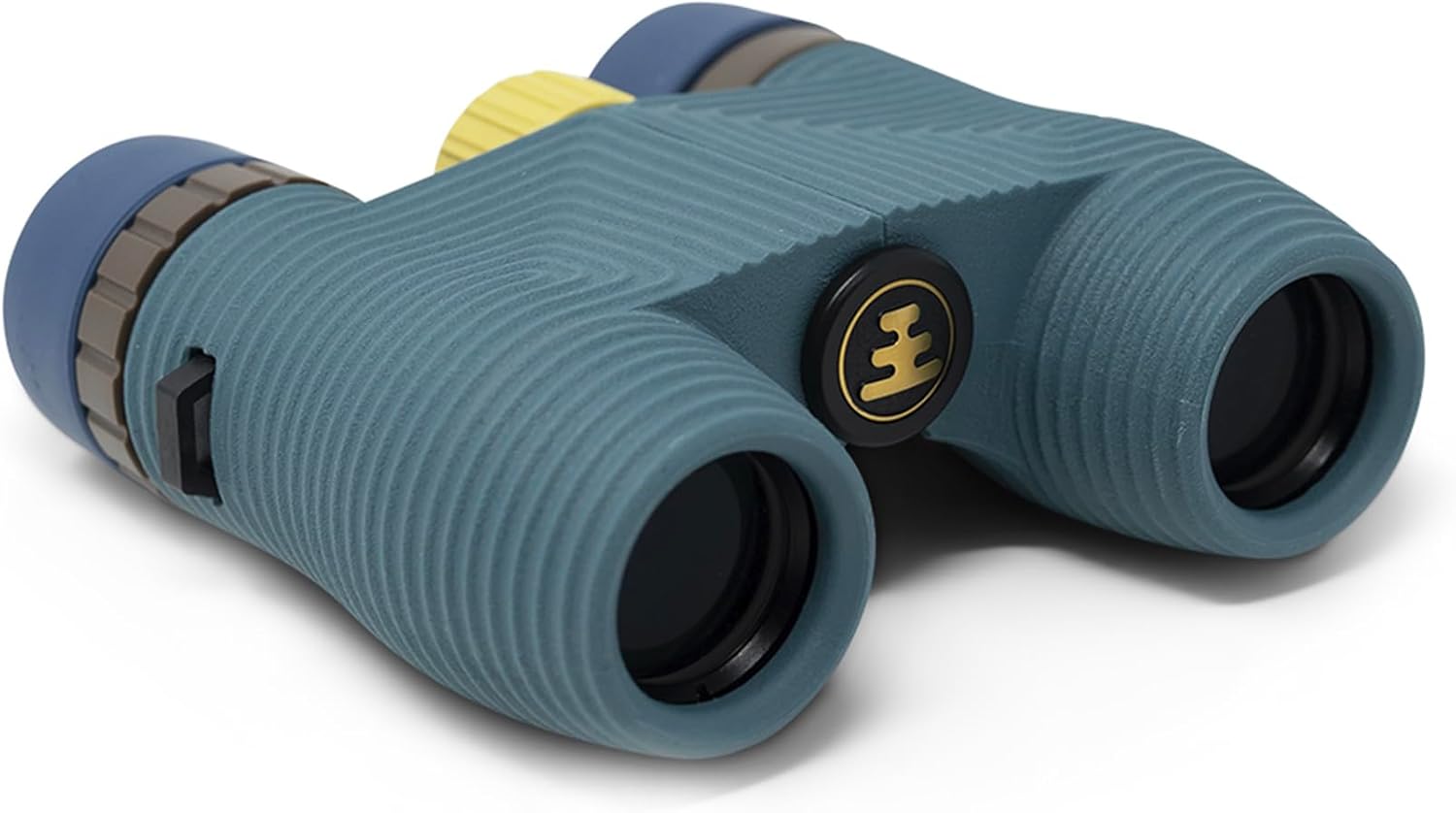 Nocs Compact Binoculars
We carry these for exactly this — closing the distance to the haul-out from the exterior observation deck without disturbing the sea lions. Compact enough that they're actually in the car when you need them.
Nocs Compact Binoculars
We carry these for exactly this — closing the distance to the haul-out from the exterior observation deck without disturbing the sea lions. Compact enough that they're actually in the car when you need them.
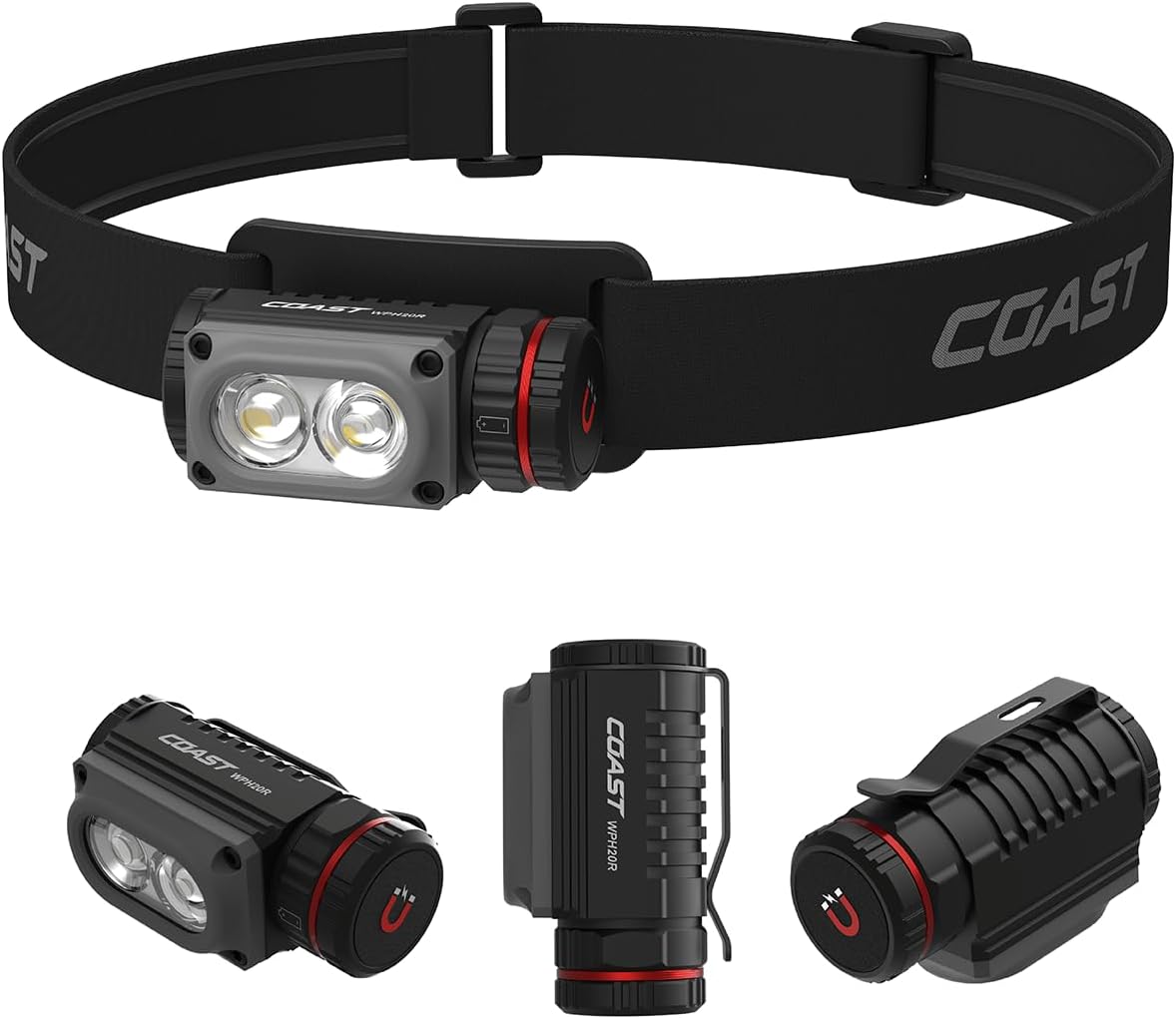 Coast WPH20R Headlamp
Not for the cave itself — Sea Lion Caves is lit. But if you're doing any Oregon coast hiking or the nearby dunes trails, a quality headlamp is the right thing to carry. Rechargeable, waterproof (the coast earns that rating), and bright enough for anything you'd find on US-101 trail access.
Coast WPH20R Headlamp
Not for the cave itself — Sea Lion Caves is lit. But if you're doing any Oregon coast hiking or the nearby dunes trails, a quality headlamp is the right thing to carry. Rechargeable, waterproof (the coast earns that rating), and bright enough for anything you'd find on US-101 trail access.
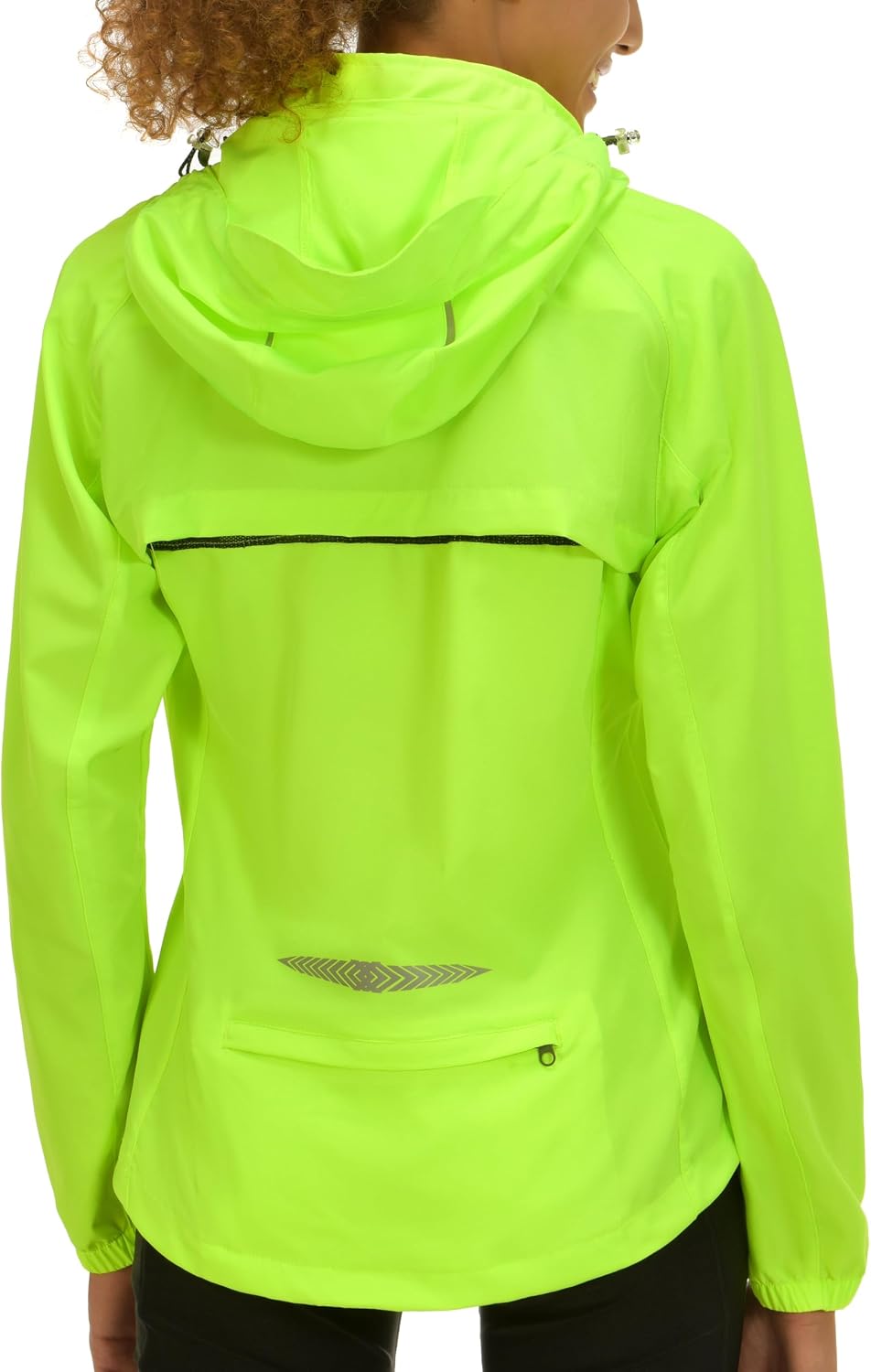 Little Donkey Andy Running Jacket
Polly's hi-viz yellow jacket went on the second we hit the coast and stayed on — Oregon coastal temperatures don't negotiate. Removable sleeves turn it into a vest when the weather can't make up its mind either.
Little Donkey Andy Running Jacket
Polly's hi-viz yellow jacket went on the second we hit the coast and stayed on — Oregon coastal temperatures don't negotiate. Removable sleeves turn it into a vest when the weather can't make up its mind either.
Trip Planning
These are affiliate links — we earn a small commission at no cost to you. Thank you for supporting Trek4Free.
Planning Sources
- Sea Lion Caves — Official Site — current hours, prices, and seasonal sea lion conditions
- Oregon Dunes National Recreation Area — USFS
- Florence, Oregon — Chamber of Commerce
- NOAA Fisheries — Steller Sea Lions
Sea Lion Caves: 44.1143°N, 124.1294°W | 91560 US-101, Florence, OR 97439