What Is Dispersed Camping? (And How to Find It for Free)
What Is Dispersed Camping? (And How to Find It for Free)
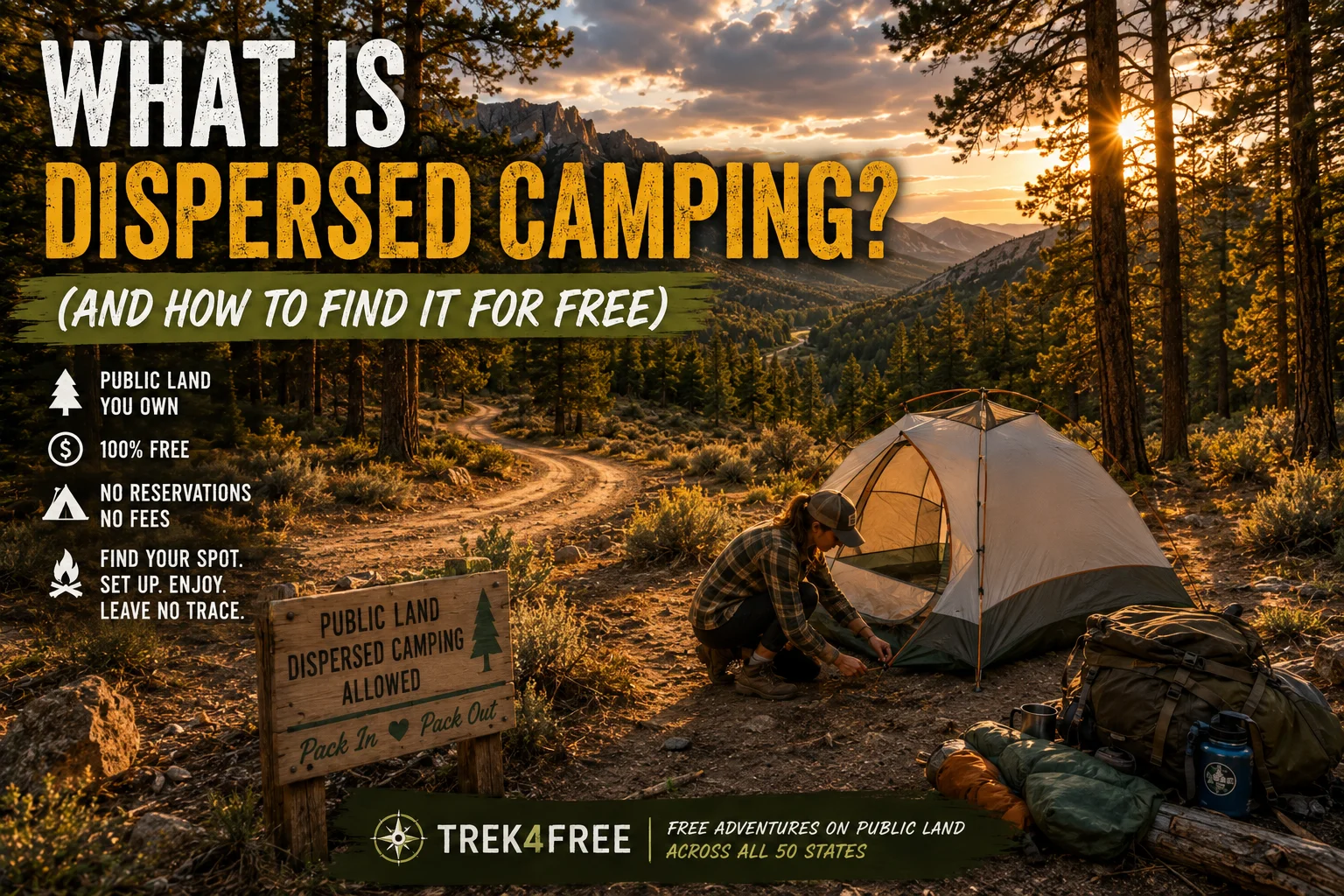
Dispersed camping is camping outside of a developed campground on public land.
No campsite number. No reservation system. No camp host collecting a fee. No fire ring you have to share with whoever was there the night before.
You drive in on a forest service road or a BLM two-track, find a spot that works, set up camp, and that’s it. The land is public — meaning you own it, collectively, as a citizen — and the law allows you to camp on it.
It is completely free, and most people have no idea it exists.
Where Dispersed Camping Is Legal
Two agencies manage the vast majority of dispersed camping land in the United States:
The U.S. Forest Service (USFS) manages 193 million acres organized into 154 National Forests and 20 National Grasslands. Dispersed camping is the default — it’s allowed unless a specific area is posted otherwise. No fee, no permit required in most forests.
The Bureau of Land Management (BLM) manages another 245 million acres, almost entirely in the western United States. The BLM’s general rule is that camping is permitted on any BLM land not otherwise designated or posted, for up to 14 days before you must move at least 25 miles away.
Combined, that’s roughly 440 million acres of land where you can legally camp for free. To put that in context: the entire lower 48 states covers about 1.9 billion acres. Nearly a quarter of it is open to you.
The Rules — All of Them
The specific rules vary by national forest and BLM district, so always check the local regulations before you go. These are the universal baselines:
Stay limits. Most USFS and BLM land has a 14-day maximum. After 14 days, you must move your camp to a location at least 25 miles (BLM) or a significant distance (USFS) away. This isn’t enforced like a parking meter, but rangers do patrol popular areas.
Distance from water. You must camp at least 100 to 200 feet from streams, lakes, and other water sources. The exact distance varies by forest. This protects water quality and riparian habitat.
Distance from developed facilities. No setting up a tent in a trailhead parking lot or within sight of a developed campground. These areas are excluded.
Leave No Trace. The most important rule, and the least enforced: pack in everything, pack out everything. Human waste must be buried in a cathole at least 6 inches deep and 200 feet from water. This is both the law and the reason dispersed camping stays legal.
Fire restrictions. Seasonal fire restrictions are common, especially in summer across the Southwest and West. A fire restriction doesn’t mean no camping — it means no campfire. A gas stove always works. Check with the local ranger district before you go; this is the most commonly missed piece.
Motorized vehicle access. You can only drive your vehicle to a campsite via a designated route. This means you pull off a forest road, not off a hiking trail. Most dispersed camping is accessed via numbered forest service roads, graded gravel tracks that appear on the forest motor vehicle use map.
No Hookups, No Services — What That Actually Means
Dispersed camping is primitive by definition. Here’s what’s not there:
- No water at the site (plan to bring all you need, or filter from a nearby source)
- No electricity
- No trash pickup — everything leaves with you
- No bathroom (except occasionally a vault toilet in a heavily-used area)
- No cell service in many locations
- No camp host
This is not a hardship if you prepare for it. It is a significant surprise if you don’t.
A good baseline for a two-night dispersed trip: 1 gallon of water per person per day minimum, a water filter as backup if there’s a creek nearby, a gas stove, food that doesn’t require refrigeration, a headlamp, a trowel for waste, and a trash bag for everything that came in with you.
East vs West: Not the Same Experience
The 264 million BLM acres are almost entirely west of the Mississippi. The eastern BLM holdings total roughly 30,000 acres — essentially nothing.
This means that dispersed camping west of the Mississippi is dramatically more accessible than in the East. Oregon, New Mexico, Colorado, Utah, Wyoming, Nevada, Idaho — pull up a national forest or BLM map in any of these states and the available land is staggering. Dispersed sites every few miles along forest roads. Rivers you can filter from. Vault toilets at popular access points.
East of the Mississippi, the dispersed camping that exists is real — the Appalachian national forests (Nantahala, Pisgah, George Washington, Jefferson, Chattahoochee) all permit it — but it requires more research. The land is smaller and more fragmented, interspersed with private property, and the access roads are fewer.
If you’re new to dispersed camping and have the option to choose a western destination for your first trip, take it.
How to Find Dispersed Camping Near You
Step 1: Open the Trek4Free Explore map. Filter to “Free Camping” and look at the density near your destination. Every pin represents a free dispersed site or no-fee campground sourced from USFS and BLM data.
Open the Trek4Free Explore Map →
Step 2: Find the Forest Service or BLM Motor Vehicle Use Map. This is the official document that shows which roads are open to motorized vehicles (and therefore which roads you can drive to a dispersed site on). It’s available free at each ranger district office or at the USFS website. Do not rely on Google Maps — it doesn’t distinguish between open and closed forest roads.
Step 3: Call the local ranger district. A two-minute call confirms current fire restrictions, any area closures, and whether your access road is passable. Rangers are generally helpful and will often suggest good spots.
Step 4: Know your vehicle’s limits. Many forest roads are passable in a stock SUV. Some require high clearance. A few require 4WD. The Motor Vehicle Use Map and recent reviews will tell you what to expect. The time to find out a road requires 4WD is before you’re on it, not during.
Dispersed Camping Is Not the Same as Illegal Camping
This is worth saying directly.
Parking in a Walmart lot, sleeping in a rest area, pulling off a highway shoulder — these are technically not dispersed camping. They may be tolerated, or they may result in a knock on your window at 2 AM. The rules vary and the enforcement is inconsistent.
Dispersed camping on USFS and BLM land is legal camping. You have the right to be there. You’re following the same land-use rules that apply to hunters, hikers, and horseback riders using the same public land. There’s nothing gray about it.
The distinction matters because once you know dispersed camping exists, you stop settling for parking lots.
The Gear Minimum
You don’t need a special vehicle or an expensive overland build to dispersed camp. Millions of people do it in standard SUVs, minivans, sedans, and tents. What you need:
- All your own water, or a filter
- Food that doesn’t require refrigeration or can be cooked on a gas stove
- A headlamp
- A trowel and knowledge of Leave No Trace for waste
- A trash bag — for everything
- A gas stove if campfires may be restricted
Everything else is comfort, not requirement.
Find Your First Dispersed Site
The Trek4Free free camping map includes USFS dispersed sites, BLM land, no-fee campgrounds, and curated free camping spots across all 50 states — sourced directly from USFS, BLM, and our field research. Use it with the location filter to see what’s within driving distance of wherever you’re headed.
Find free dispersed camping near you →
Before You Go
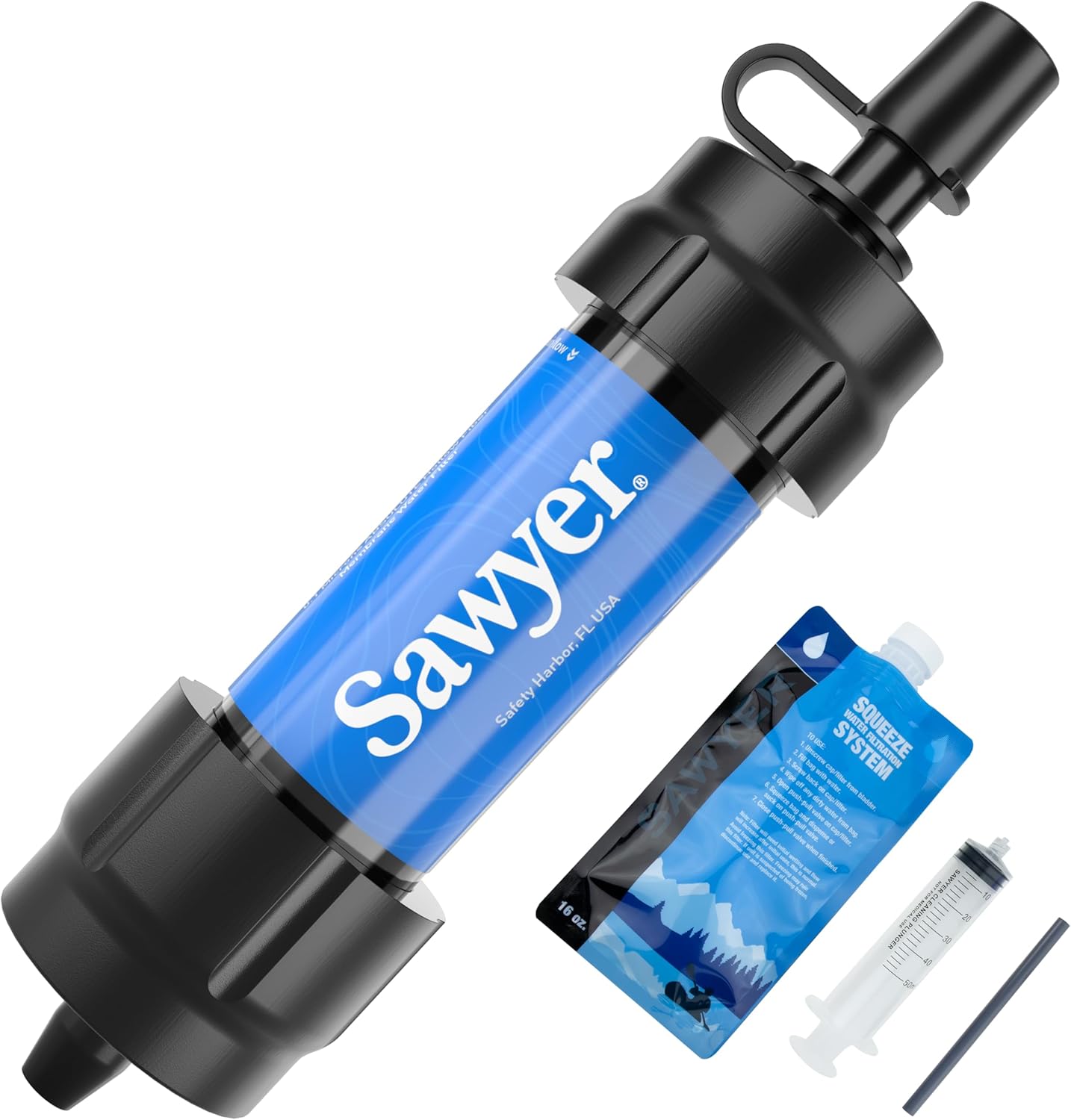 Sawyer Mini Water Filter
The single most important piece of gear for dispersed camping. A nearby stream becomes unlimited clean water. Weighs 2 oz.
Sawyer Mini Water Filter
The single most important piece of gear for dispersed camping. A nearby stream becomes unlimited clean water. Weighs 2 oz.
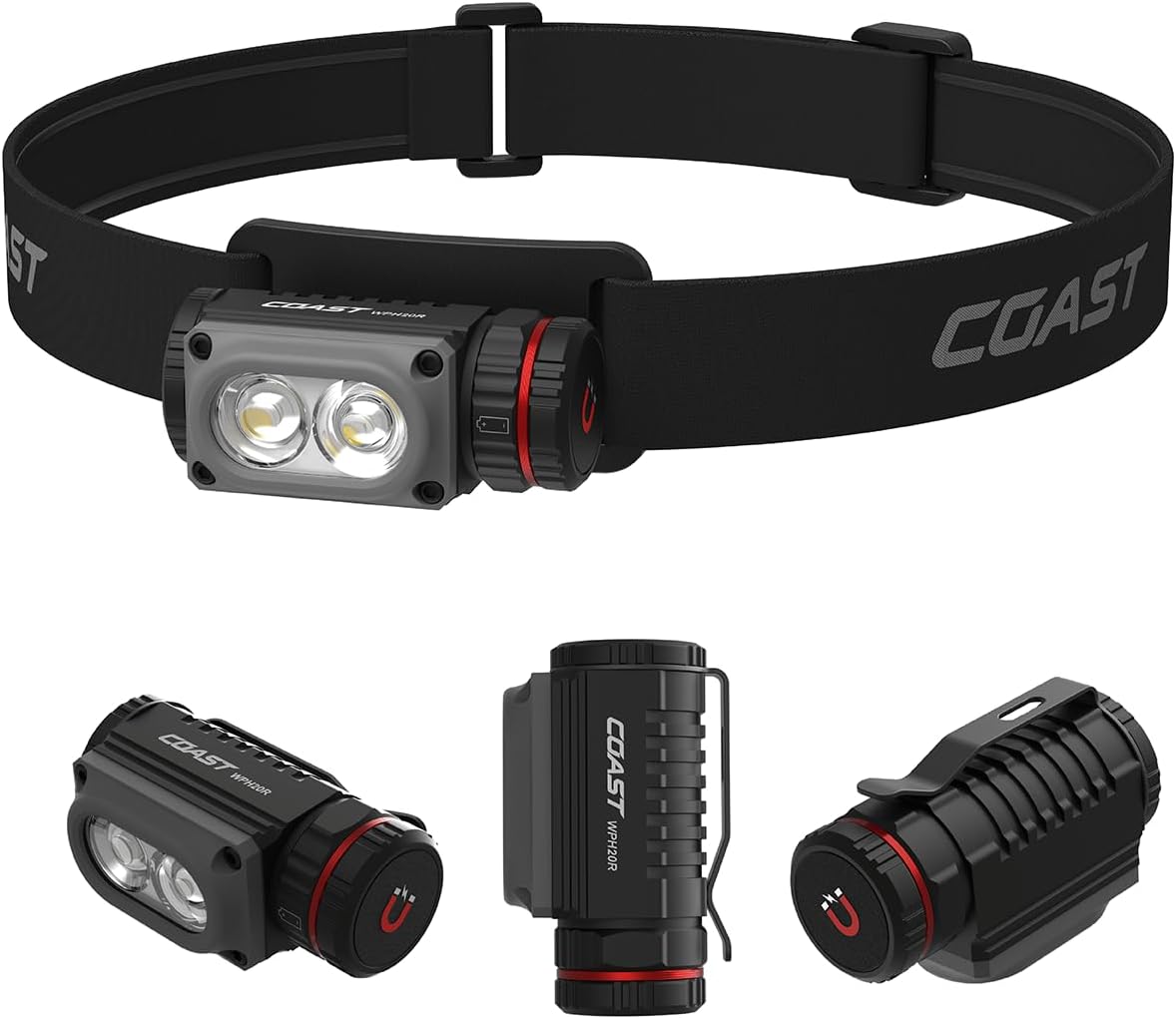 Coast WPH20R Headlamp
No campsite lighting. No trailhead lamp posts. You need your own light — rechargeable, clip-on, and bright enough for the walk to wherever you're digging your cathole.
Coast WPH20R Headlamp
No campsite lighting. No trailhead lamp posts. You need your own light — rechargeable, clip-on, and bright enough for the walk to wherever you're digging your cathole.
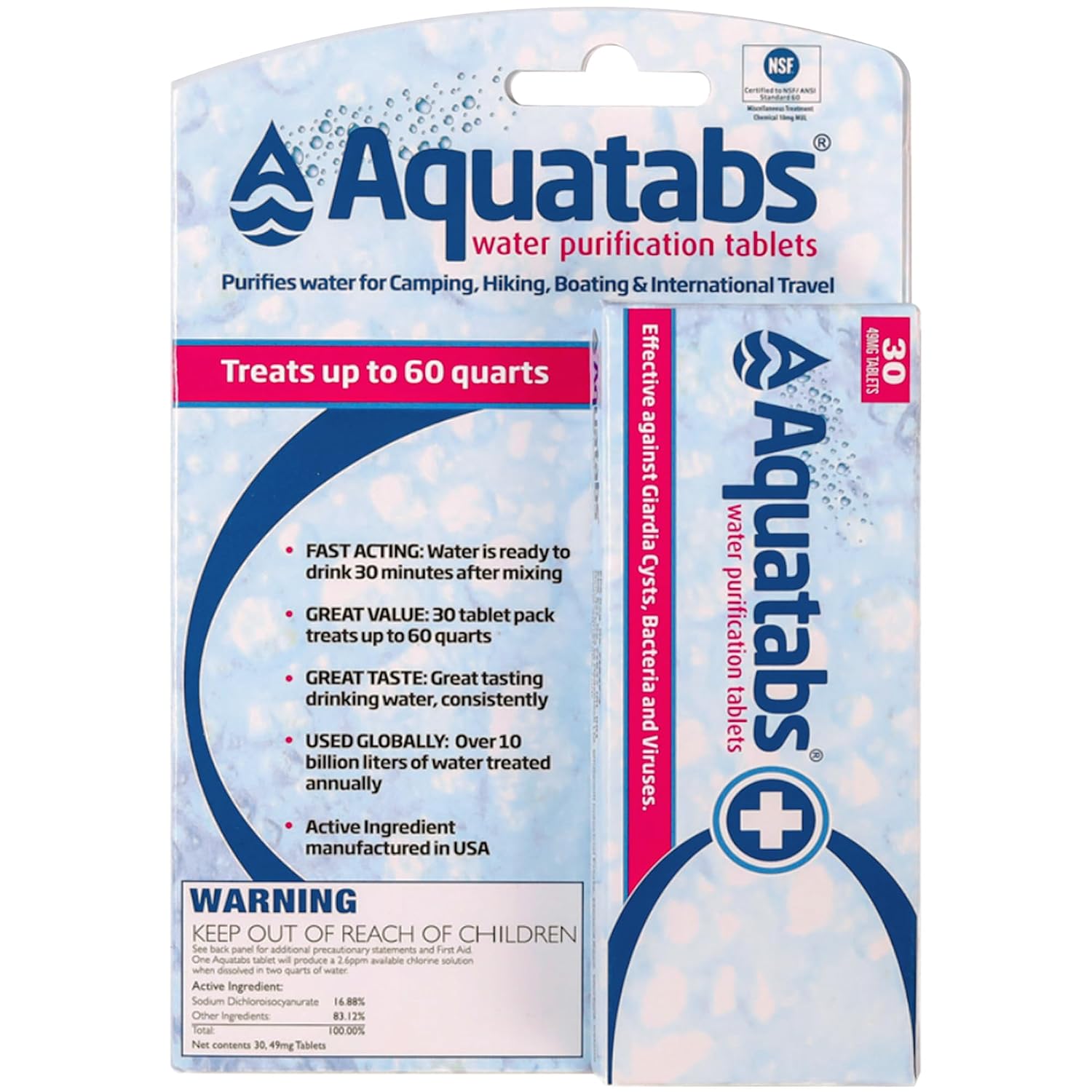 Water Purification Tablets
Backup when the filter is wet, frozen, or you forgot it. Treat and drink in 30 minutes. Takes up almost no space.
Water Purification Tablets
Backup when the filter is wet, frozen, or you forgot it. Treat and drink in 30 minutes. Takes up almost no space.
These are affiliate links — we appreciate your support, no extra cost to you.