What Is Boondocking? (And Why Van Lifers and RVers Mean Different Things)
What Is Boondocking? (And Why Van Lifers and RVers Mean Different Things)
The word has a word problem.
Ask an RVer what boondocking means and they’ll say it’s camping without electrical hookups — dry camping, no shore power, living off your tanks and your batteries. Ask a van lifer the same question and they’ll say it’s free camping on public land, usually a forest service road or BLM two-track, miles from anyone.
Both are technically correct. Both communities have been using the word for twenty years. And the difference actually matters, especially if you’re trying to plan a trip based on what you read in a forum.
Let’s sort it out.
Where the Word Comes From
“Boondocks” is American slang for the middle of nowhere, the backcountry, the remote. It comes from bundok, the Tagalog word for mountain. US soldiers in the Philippines during World War II brought it home as slang for remote terrain, and it gradually spread into everyday American English.
By the time recreational camping became mainstream, “boondocking” had already attached itself to the idea of going somewhere genuinely remote — not a campsite, not a park, but out into the actual wilderness.
The RV community adopted it first, specifically to describe camping without the hookups (water, electric, sewer) that most RV campgrounds provide. If you’re parked somewhere without plugging in, you’re boondocking, even if “somewhere” is a casino parking lot in Reno.
The van life community arrived later and used it differently: boondocking as free, remote, off-grid camping on public land. No hookups because there are no hookups — you’re on a forest road, not in a campground at all.
The Three-Tier Reality
Here’s a cleaner way to think about it:
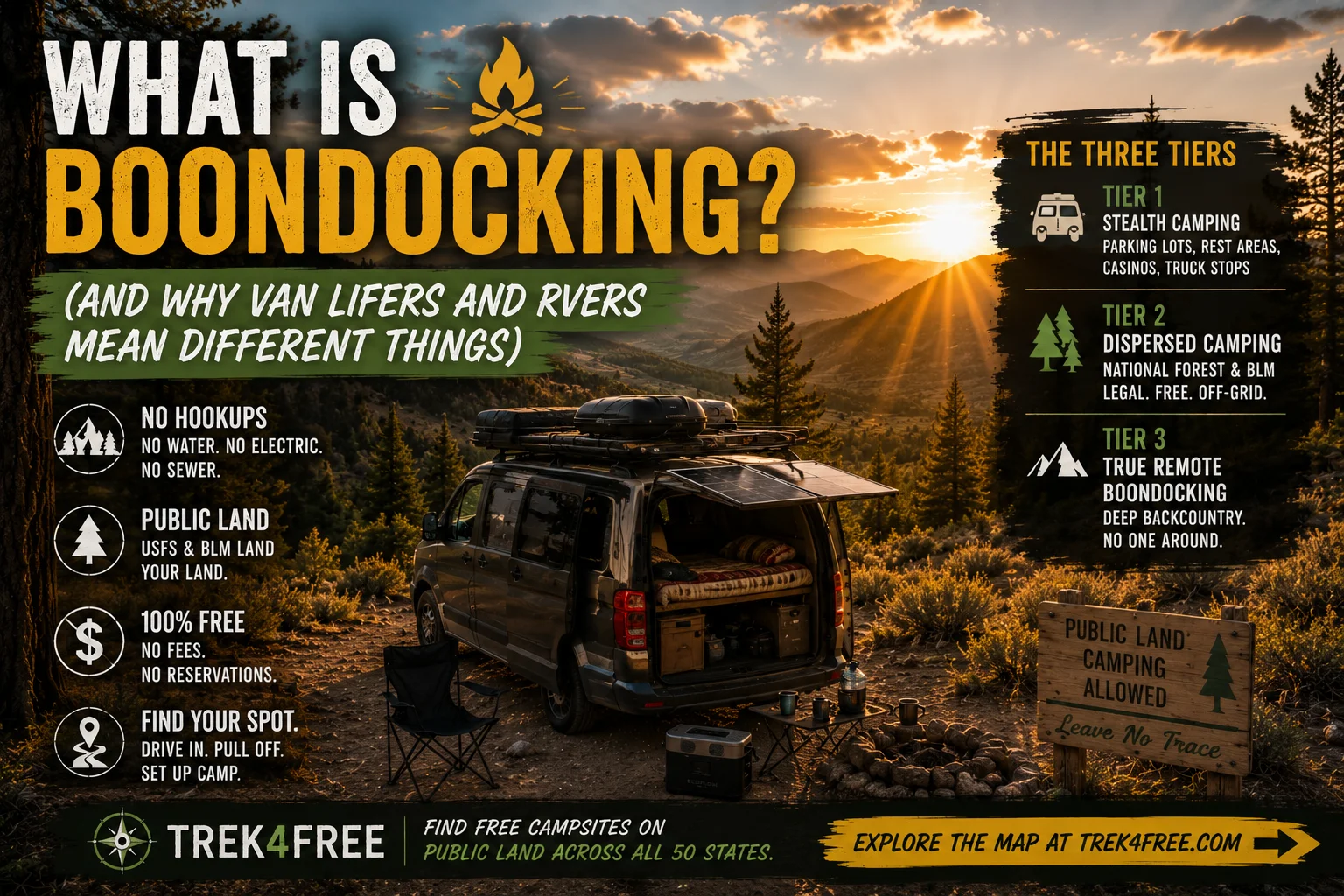
Tier 1 — Stealth camping: You’re on private or semi-private property — a Walmart lot, a rest area, a casino, a truck stop. It may be tolerated or it may get you knocked on at 2 AM. Rules vary. You are a guest, technically. This is legal gray area and not what most people mean when they say boondocking.
Tier 2 — Dispersed camping: You’re on public land — USFS or BLM. It’s legal, it’s free, you have the right to be there. You drove in on a forest service road, pulled off at a flat spot, and set up camp. No campsite number, no host, no fee. The van life community calls this boondocking. It is also what most of this website is about.
Tier 3 — True remote boondocking: You drove until the road ended and then kept going — high-clearance 4WD, deep canyon, high desert, no cell service, no one else around for miles. This is what the word “boondocking” conjures in the imagination: pure off-grid, self-sufficient camping in genuine wilderness.
Most beginners are aiming for Tier 2 and dreaming about Tier 3. Most experienced campers live in Tier 2 and occasionally visit Tier 3.
What Every Forum Thread About Boondocking Eventually Comes Down To
Read enough posts in r/boondocking, r/vandwellers, or any of the big RV forums and you’ll see the same conversations repeat. Not because people don’t search first — they do — but because the real answers require some nuance.
Water is the #1 thing that ends trips early.
People consistently underestimate how fast they go through water. City life trains you to think of water as unlimited — you turn the tap, water comes out. In a vehicle, you have 30 to 100 gallons in a tank, full stop. The forums put typical actual usage at 1 to 3 gallons per person per day for conservative users, and 3 to 5 gallons for those who haven’t adjusted habits yet.
That adds up fast. A couple with a 40-gallon tank and city-water habits can drain it in four or five days. A couple who have learned to do dishes in a half-gallon of water, take 2-minute solar showers, and cook efficiently can stretch the same tank to two weeks or more.
The consistent advice from experienced boondockers: track your actual usage on your first trip by checking levels daily and doing the math. You will almost certainly use more than you expected. Build your trip around that number before you build it around any other constraint.
Power is the second conversation, and it’s getting better.
The boondocking power question used to be: generator or nothing? The generator camp argued for practicality. The solar camp argued for silence, sustainability, and the ability to stay somewhere without advertising your presence. The forums went back and forth for years.
That debate is mostly settled now. Solar plus lithium battery banks — specifically LiFePO4 chemistry — has become the standard modern boondocking stack, and for good reason:
- Solar charges silently during the day while you’re out
- LiFePO4 batteries can discharge to 20% without damage (lead-acid batteries are damaged below 50%)
- Modern systems can run a refrigerator, phone charging, lighting, and a fan indefinitely in good sun
- The equipment investment pays for itself quickly against campground fees
The math that forum veterans always mention: at $50 per night average campground savings, a $2,000 solar/battery upgrade pays for itself in 40 nights. Full-timers recover the cost in under two months. Weekend boondockers break even in one season.
Generators still have a place for high-power needs (a/c, microwave) or extended cloudy stretches. But most boondockers go solar-primary with a generator as the emergency backup, or skip the generator entirely.
The community has strong etiquette, and breaking it will get you noticed.
The boondocking community — particularly on BLM land and USFS roads — has developed a real culture over the past decade. Some of it is written, much of it isn’t. The basics:
Don’t park directly next to someone. Dispersed camping sites often have room for multiple vehicles, but the whole point is space. Give other campers the distance they came out here for. The rule of thumb is 100 to 200 feet minimum between camps, more if the terrain allows it.
Have 2 or 3 backup sites planned. Popular spots fill. A dispersed site that looks empty on a Tuesday may be packed on a Friday. Knowing your options before you arrive prevents the scramble of arriving in the dark with no plan.
Leave it cleaner than you found it. The most common complaint about dispersed camping areas isn’t overuse — it’s the trash, fire rings, and damage left by people who didn’t follow Leave No Trace. Every time someone abandons a camp without packing out their waste, they risk the area being restricted or closed. This is not theoretical. Areas lose dispersed camping access every year because of misuse. The community takes this seriously.
Don’t overstay. The 14-day limit on most USFS and BLM land exists because some people stayed until the rangers made them leave. Respecting it keeps enforcement light for everyone.
Boondocking vs Dispersed Camping — The Actual Difference
Here’s where the terminology matters most:
Dispersed camping is always on public land (USFS or BLM), always free, always primitive. It’s a legal designation. When you disperse camp, you are using a specific land-use authorization.
Boondocking is broader. All dispersed camping is boondocking. But boondocking also includes stealth parking, paid primitive sites, and any camping without hookups on any land type. If you parked at a primitive BLM site that charges a $5 fee but has no hookups, that’s boondocking by the RV definition but not dispersed camping.
In practice: when van lifers say boondocking, they mean dispersed camping. When RVers say boondocking, they mean dry camping — which may or may not be on public land.
If you’re planning a trip and want to sleep free on public land, the word you want to search is dispersed camping — it will get you to the legal information, the ranger district contacts, and the maps.
Where Quartzsite Fits In
Any honest guide to boondocking has to mention Quartzsite, Arizona.
Every winter, tens of thousands of RVers, van lifers, and full-timers converge on the BLM land surrounding Quartzsite — a small desert town in western Arizona near the California border. The BLM’s Long Term Visitor Area (LTVA) allows camping for 7 months for a single annual permit ($200). The surrounding free dispersed land allows 14-day stays with a move requirement. At peak season in January and February, the desert around Quartzsite is a temporary city.
It is the most famous boondocking destination in North America, and visiting once tells you more about the community than a year of forum reading. If you want to understand van life culture, boondocking culture, and the full-timer community, go to Quartzsite in January.
The Things Beginners Get Wrong
A composite from years of forum threads:
Arriving after dark. The universal mistake. A campsite that looks fine in photos can be inaccessible in the dark — deep ruts, a soft shoulder, a narrow track with no turnaround. Arrive before sunset, always.
Treating a forest road like a highway. Dispersed sites are accessed by forest service roads. Those roads are unpaved, graded, and variable. After a rain, they can be soft, slick, or deeply rutted. What your vehicle can handle is not the same as what Google Maps says is accessible. Check conditions at the ranger district before going.
Not having an exit plan. You drove in fine. But things change — a storm moves in, someone needs a bathroom not 200 feet from camp, the site isn’t as described. Know your nearest pavement before you commit to a remote site.
Expecting cell service. You won’t always have it. Tell someone your plan before you leave. A simple GPS communicator (Garmin inReach, SPOT) is the responsible choice for genuinely remote camping. Text check-ins require a signal; satellite messengers work everywhere.
Assuming “dispersed” means “anywhere.” No camping within 100–200 feet of water. No camping within certain distances of developed facilities. Some areas within a national forest are posted no-camping. Always check the specific forest rules before you go, not just the general USFS policy.
Finding Your First Boondocking Site
For public land dispersed camping:
The Trek4Free Explore map has USFS dispersed sites, BLM no-fee land, and curated free camping spots across all 50 states — sourced directly from USFS and BLM data. Filter to Free Camping and look at the density near wherever you’re headed.
Once you identify a zone, pull up the Forest Service or BLM Motor Vehicle Use Map for that district. This is the document that shows which roads are legally open to motor vehicles (and therefore which roads you can drive to a dispersed site on). Google Maps doesn’t know the difference between an open forest road and a closed one.
For the broader boondocking community:
Campendium, The Dyrt, and iOverlander all have user-submitted free and dispersed camping reviews with photos and access notes. They’re paid apps but the investment is worth it for a full-timer. For casual use, public reviews are often visible without a subscription.
The subreddits r/boondocking, r/vandwellers, r/fulltiming, and r/camping all have active communities. Search before you post — the questions get asked constantly, and the archives are full of specific spot recommendations, trip reports, and gear advice from real experience.
Is Boondocking Right for Your Trip?
If you’re car camping, tent camping, van-tripping, or RVing and you want to stop paying $30 to $60 per night for a campground, dispersed camping will change the math of every trip you take.
It does require more planning — checking regulations, having your own water, knowing your power situation, having backup sites. It is not easier than pulling into a KOA. But it is better. Not just cheaper — genuinely better. The spaces are quieter, the land is yours, and no one is going to leave a generator running outside your tent at midnight.
The learning curve is real and it’s short. The first trip is the hardest. The second trip is the one where you wonder why you paid for a campsite for twenty years.
Find free dispersed camping near you →
We’re Tortuga and Polly — trail runners, van lifers, and recovering campground campers. Trek4Free runs on USFS and BLM data so you can find the free spots before you ever leave the driveway.
Before You Go
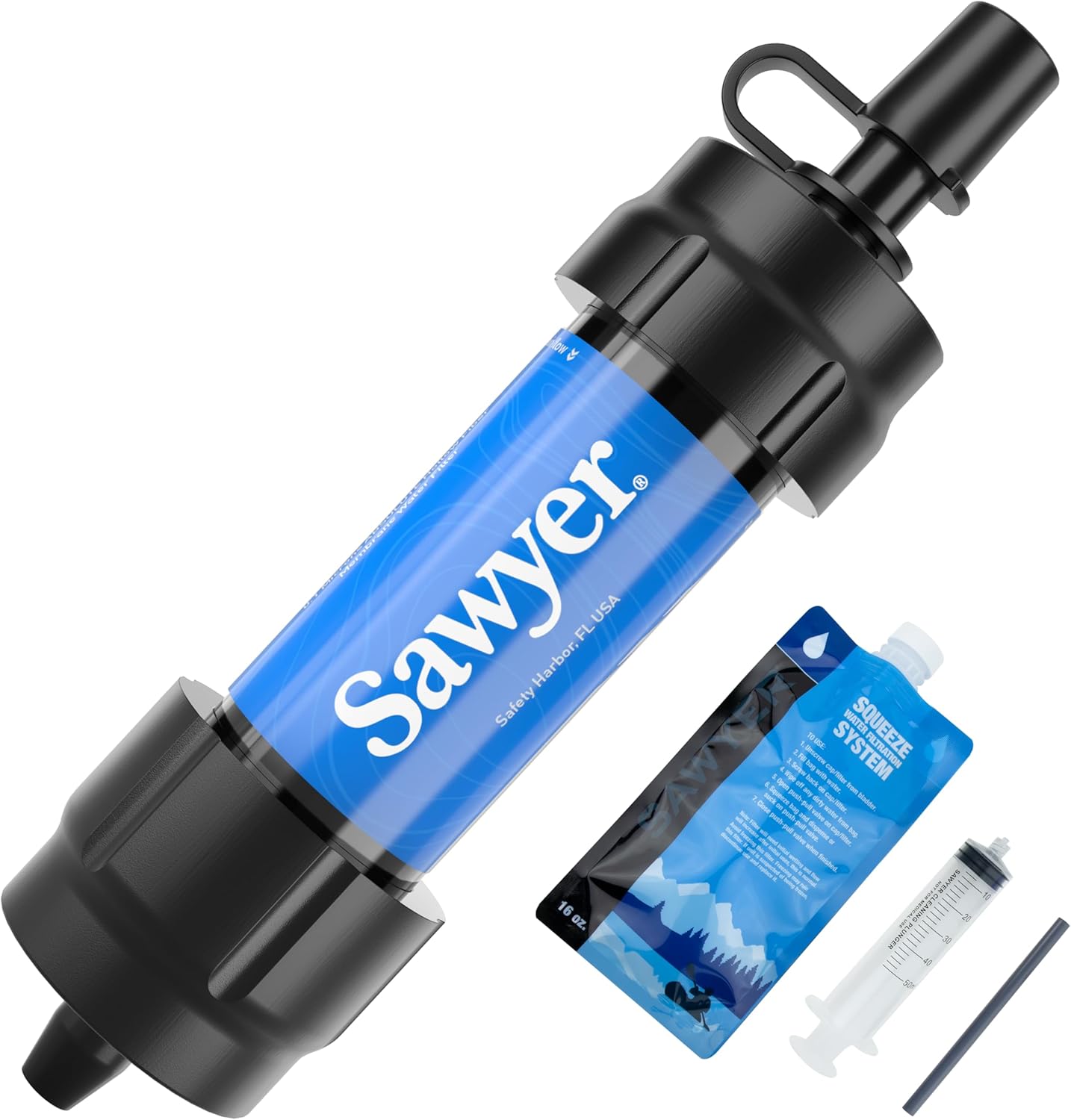 Sawyer Mini Water Filter
When there's a creek near camp, this 2-oz filter makes it unlimited clean water. The single most important piece of gear for extended dispersed camping.
Sawyer Mini Water Filter
When there's a creek near camp, this 2-oz filter makes it unlimited clean water. The single most important piece of gear for extended dispersed camping.
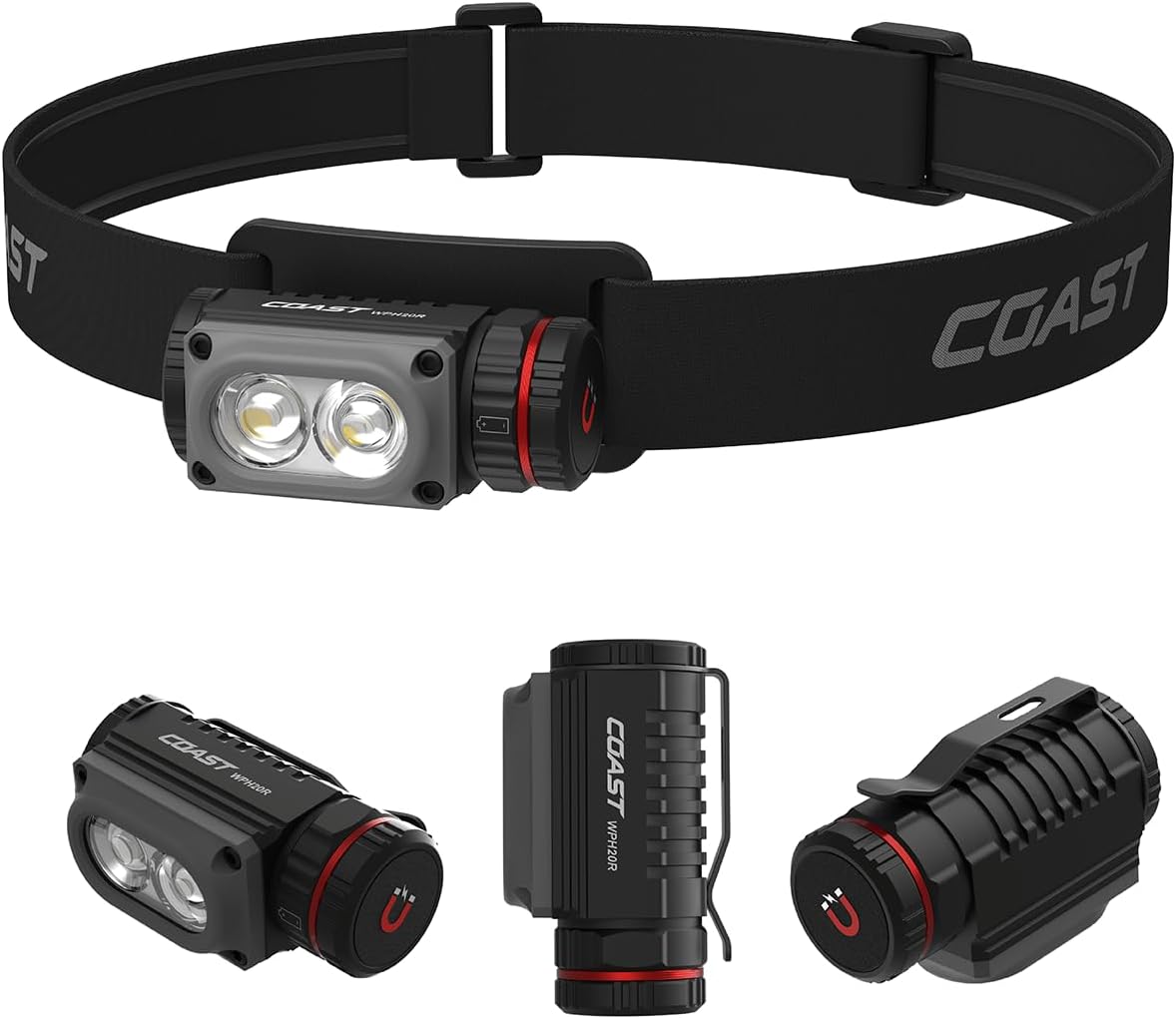 Coast WPH20R Headlamp
Scouting a site after dark, the walk to the cathole, the 3 AM water run — rechargeable, clip-on, and bright enough when it counts.
Coast WPH20R Headlamp
Scouting a site after dark, the walk to the cathole, the 3 AM water run — rechargeable, clip-on, and bright enough when it counts.
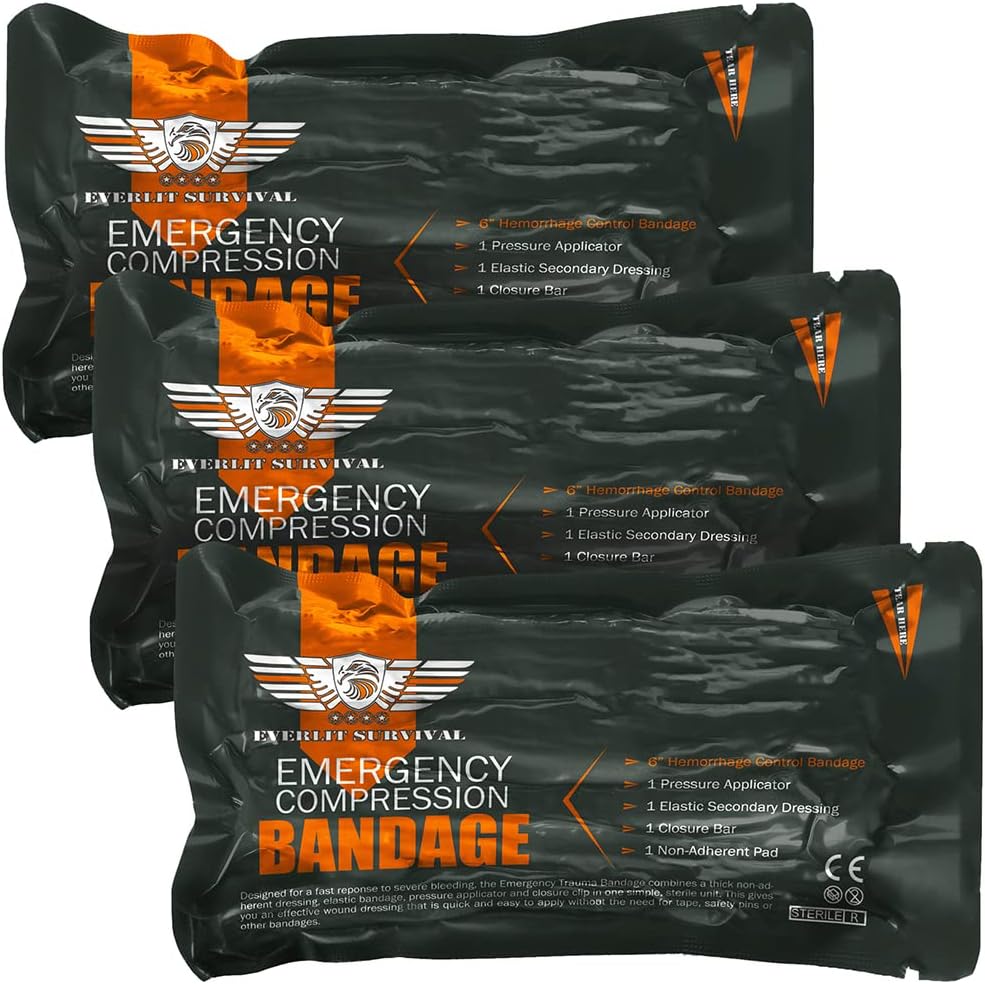 Compression Bandage
If you're aiming for genuinely remote camping — the kind this article keeps circling back to — help is far away if something goes wrong. A real compression bandage belongs next to the GPS communicator, not just the first aid kit you never open.
Compression Bandage
If you're aiming for genuinely remote camping — the kind this article keeps circling back to — help is far away if something goes wrong. A real compression bandage belongs next to the GPS communicator, not just the first aid kit you never open.
Trip Planning
These are affiliate links — we appreciate your support, no extra cost to you.