We Went Hunting for Megalodon Teeth. Something Came Hunting for Us.
I’ve been with Polly for a long time and in that time I have catalogued every sound she makes.
There is the sharp inhale — the one that means something has gone wrong but she is processing it silently. I have seen that one at close range during a snake encounter. The snake was wrapped around my ankle and striking. She made no sound. I felt the barometric pressure change. I looked back and found her eyes locked on my feet like a laser. That is another story.
The sound I heard at Edisto Beach was different. I did not recognize it. It was a blood-curdling scream that I could not locate in any category I had stored in twenty years of partnership. So I did what any reasonable person does when a sound cannot be categorized — I put it in the emergency column, grabbed the flashlight, and turned it on.
I will tell you what I found. But first — let me take you back to the beginning. Because what happened that night was the ending of a very good day.
Edisto Beach, South Carolina: Where the Ocean Gives Up Its Secrets
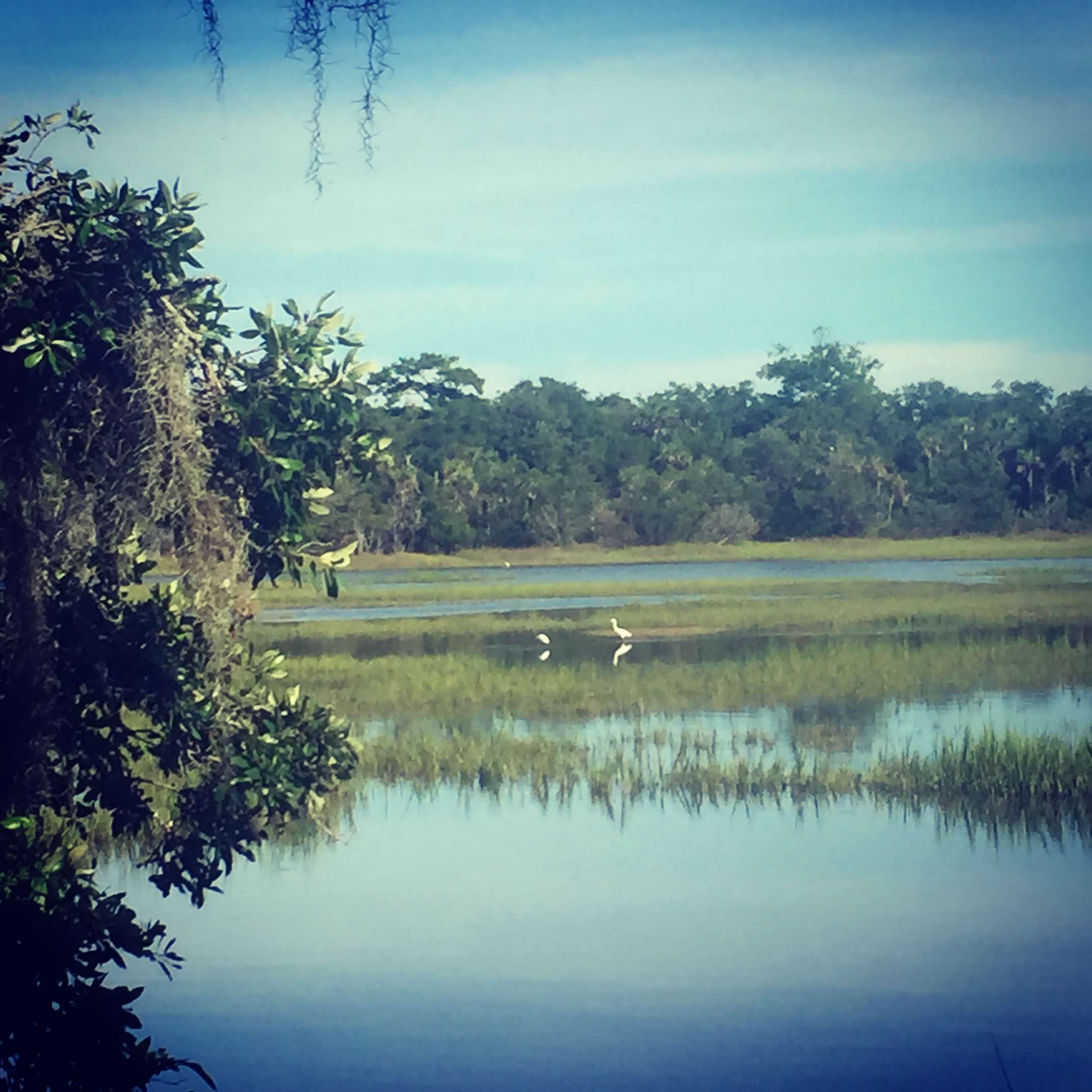
Edisto Beach State Park sits on a barrier island on the South Carolina coast, pinched between the Atlantic Ocean on one side and the ACE Basin — one of the largest undeveloped estuaries on the East Coast — on the other. Spanish moss hangs from live oaks. Palmetto trees line the beach. The salt marsh glows gold in the afternoon light.
It is also one of the best places in the United States to find megalodon teeth.
Not replicas. Not gift shop fossils. Real ones, washing out of the ocean floor right onto the beach.
What Is a Megalodon Tooth
Megalodon was a shark. That sentence does not do it justice.
Otodus megalodon was a shark the size of a school bus. It lived between 23 and 3.6 million years ago, and it was the apex predator of every ocean on earth for nearly twenty million years. Its jaws were wide enough to swallow a small car. Its teeth — the ones washing up on your feet right now — were up to seven inches long.
For scale: the largest great white shark tooth ever recorded is about three inches.
Megalodon shed thousands of teeth in a lifetime. Sharks do not have bones — they have cartilage, which dissolves. But the teeth are dense enough to survive. Over millions of years, the original material is replaced by minerals from the surrounding sediment. The teeth turn black, or dark gray, or occasionally brown depending on the local geology. By the time one washes up on a South Carolina beach, it is essentially a rock in the shape of a tooth.
A rock with serrated edges. A rock that is three million years old at minimum.
What They Look Like
Here is what you are scanning for on the beach:
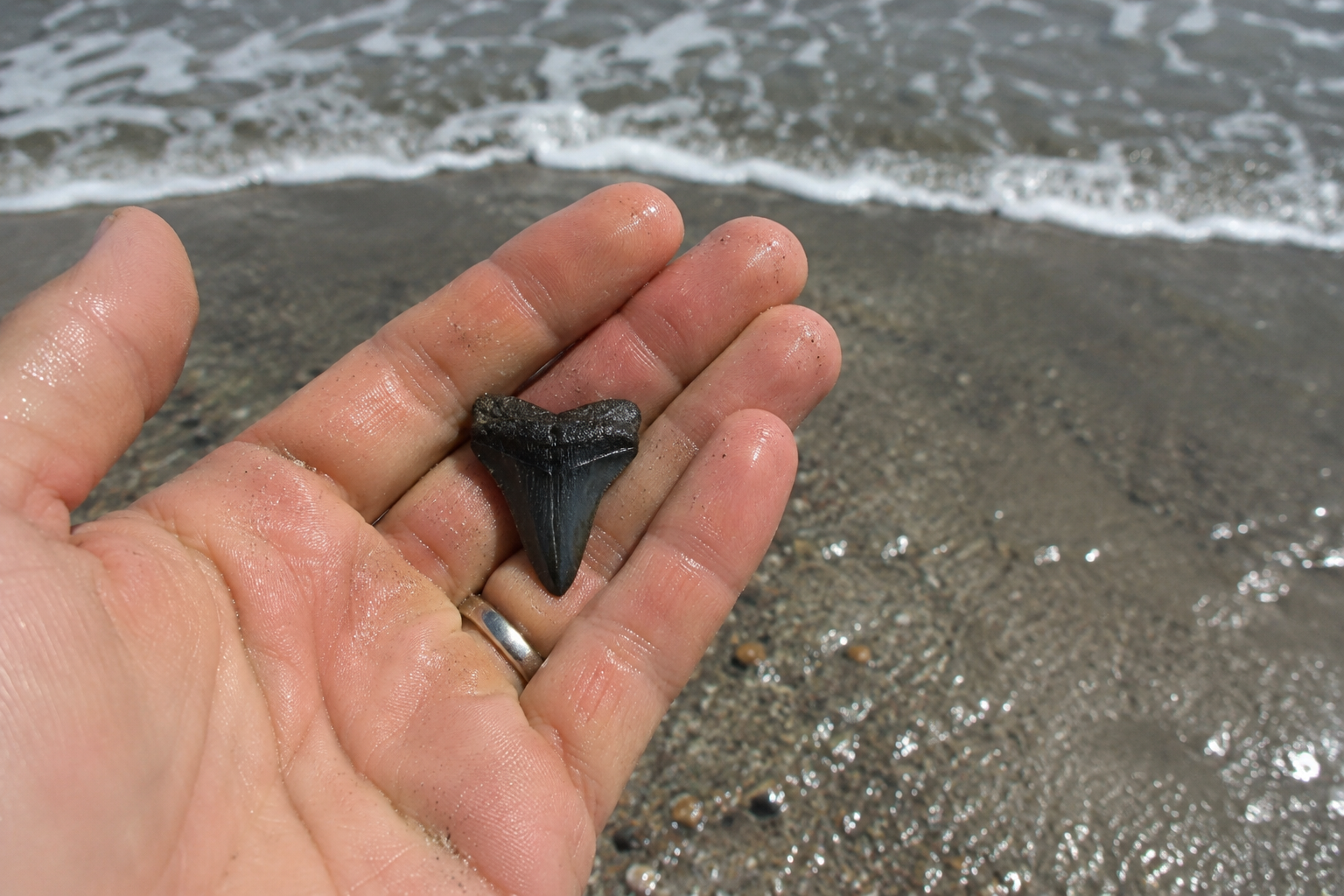
Color: Black is the most common at Edisto. Sometimes dark brown or charcoal gray. If you find a white shark tooth, it is recent — interesting, but not ancient. Megalodon teeth are always dark because of the fossilization process.
Shape: A triangle with curved edges and a thick base. The sides are serrated like a steak knife. The tip is sharp even after millions of years. The base is wide and flat where it attached to the jaw.
Size: Most finds on the beach are between half an inch and two inches. Larger teeth exist but tend to be found offshore by divers. If you find something an inch or bigger on a public beach, you had a very good day.
Weight: Heavier than it looks. Pick up a rock and a tooth of the same size — the tooth wins every time.
The key: You are looking for a geometric shape in a field of random shapes. Seashells have curves and spirals. Rocks are irregular. A megalodon tooth has straight lines, intentional angles, and bilateral symmetry. Your brain will recognize it before you consciously know what you are seeing.
How to Find Them at Edisto
We came in prepared. We had read that the technique was to work the tidal tributaries — the small channels where ocean water pushes inland and then recedes, washing the sand away as it goes. As the sand erodes, older material is exposed. Teeth that have been buried in the offshore fossil beds for millions of years get caught in these channels and wash toward shore.
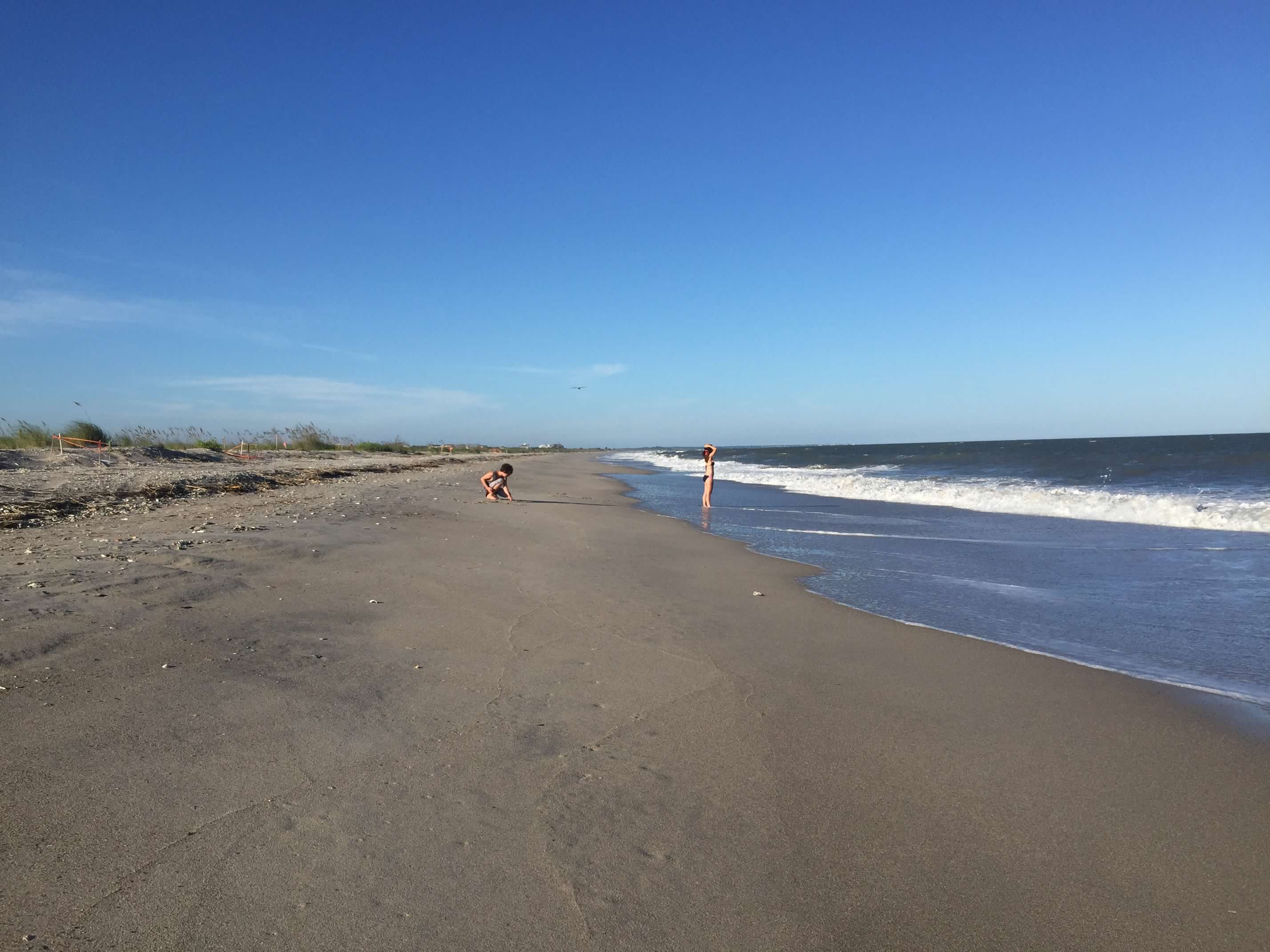
We found one of these tributaries where it met the ocean and spent most of the morning working it. The kids dragged their hands through the wet sand. We sifted. We scanned the waterline where the waves were actively washing material up.
The technique:
- Go at low tide. The most productive window is the hour before and after low tide. More beach is exposed, and the retreating water is actively sorting material.
- Work the tributaries. Where tidal water channels cut across the beach, scan the edges and the channel bed. The water does the sorting for you.
- Look at the waterline. The wave action concentrates heavy material. Shells float up. Teeth, being dense, settle. Walk parallel to the waterline and let your eyes scan for dark geometric shapes.
- After storms. Heavy surf disturbs the bottom and deposits more material on the beach. The day after a storm is often the best day to hunt.
- Get low. Crouching or kneeling puts you closer to the sand. More surface area in your field of vision.
We found nothing.
After several hours we called it. The kids needed beach time. We set up chairs at the waterline and let them play in the surf.
And there it was. Right next to my chair. A black triangle about an inch long, sitting on the surface of the sand where the last wave had deposited it.
I had walked past that exact spot six times.
The megalodon tooth found me the moment I stopped looking for it.
Can You Keep It
At Edisto Beach State Park — yes. South Carolina allows casual collection of natural objects including fossils for personal, non-commercial use in state parks. Take what you can carry and what you reasonably found. Do not excavate. Do not sell.
Federal lands operate under stricter rules. On National Park land, collecting fossils is generally prohibited. Always check the specific rules for wherever you are hunting.
On Edisto, you are fine. People have been collecting fossils on that beach for a long time.
Other Places to Find Megalodon Teeth
Edisto is exceptional but not unique. The East Coast of the United States has some of the best public megalodon hunting in the world:
- Venice Beach, Florida — nicknamed the “Shark Tooth Capital of the World.” Black teeth wash up daily. No special equipment needed.
- Calvert Cliffs, Maryland — Chesapeake Bay shoreline. The cliffs are actively eroding fossil-bearing Miocene sediment. Teeth are everywhere.
- Aurora, North Carolina — Inland phosphate mine with public fossil digs.
If you earn your Megalodon Hunter badge somewhere other than Edisto, these are your best bets.
The Night
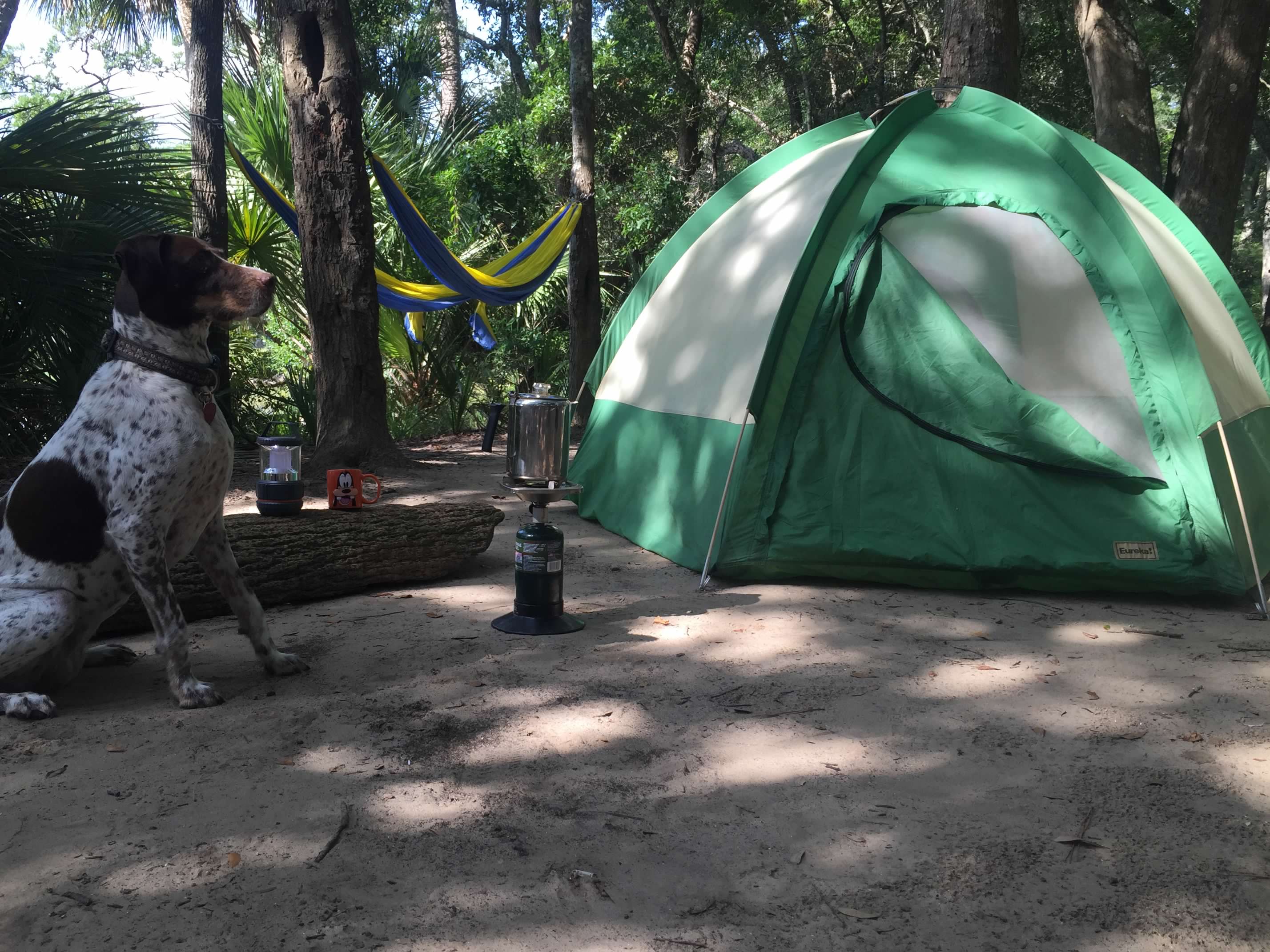
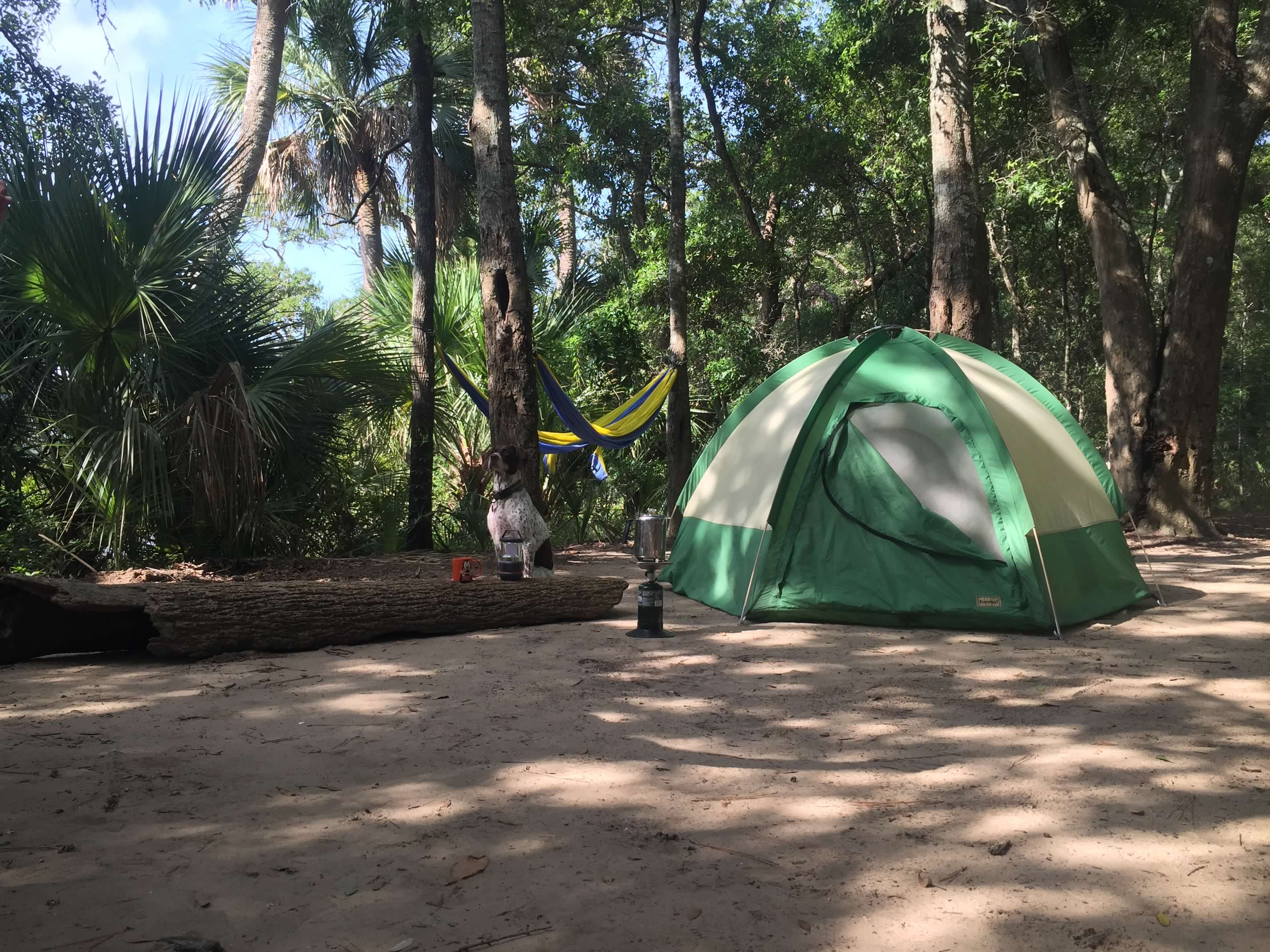
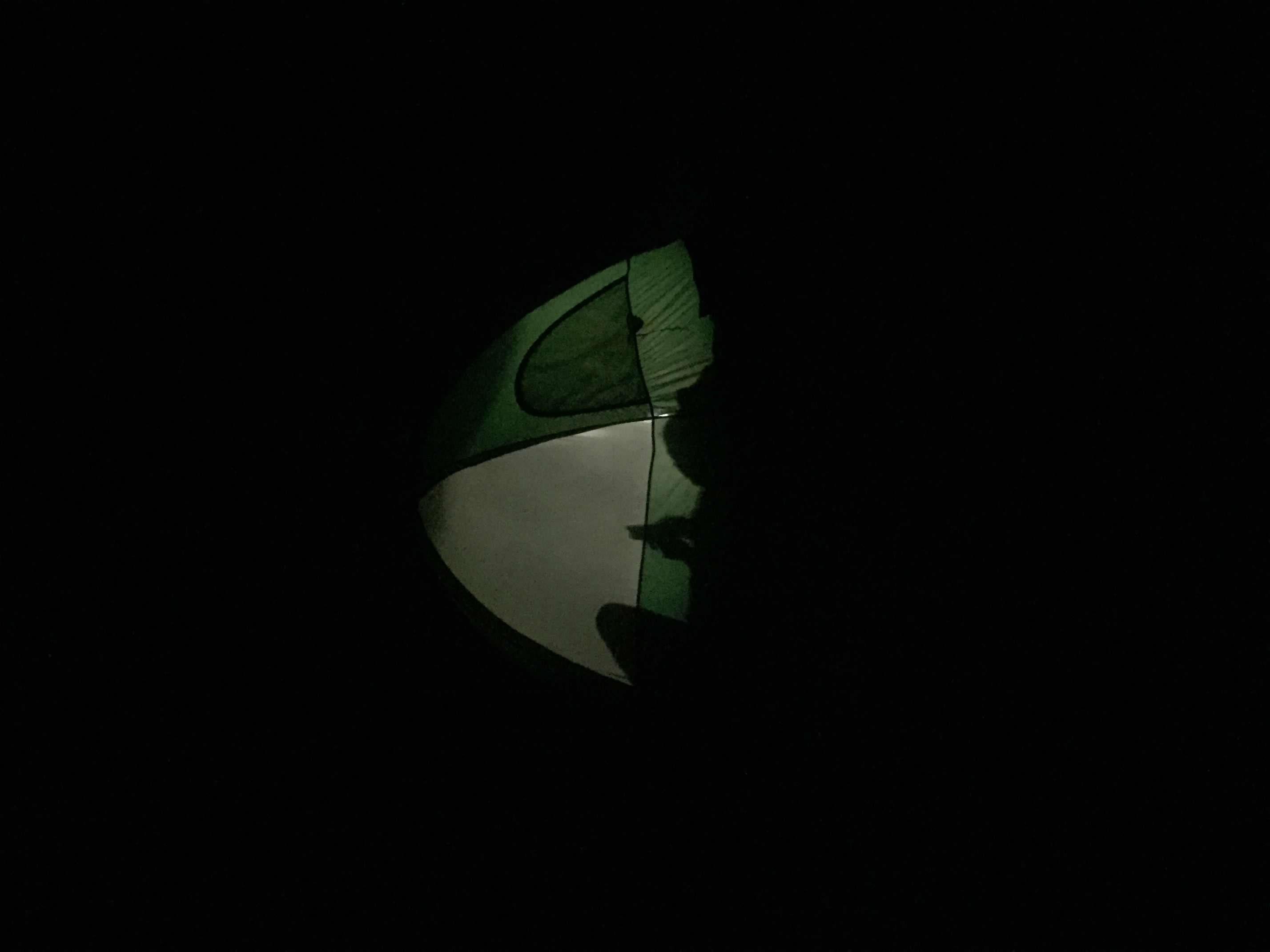
Edisto Beach State Park has a campground tucked into the maritime forest. We had a tent — the old family tent, the one from my childhood that had survived a remarkable number of trips and smelled like every one of them. It was not going to fit all of us.
So we did what any reasonable outdoor enthusiasts do: we hung hammocks between the palmetto trees. This was the era of hammock camping. Everyone was doing it. We were experienced campers. We could handle it.
The campsite was honestly beautiful. Dappled shade. Salt air. The Spanish moss moved in the breeze. Lacy the trail dog supervised the setup from her position on a fallen log.
What we did not fully discuss at the time — and what I think about whenever anyone says hammock camping is romantic — is that we were sleeping outside. In the open air. In South Carolina. Beside a salt marsh. With alligators.
There were also the spiders. Golden silk orb-weavers hang their webs between the palmetto trees at roughly head height. They are large enough to have a shadow. They are harmless, technically, but this information does not help at night.
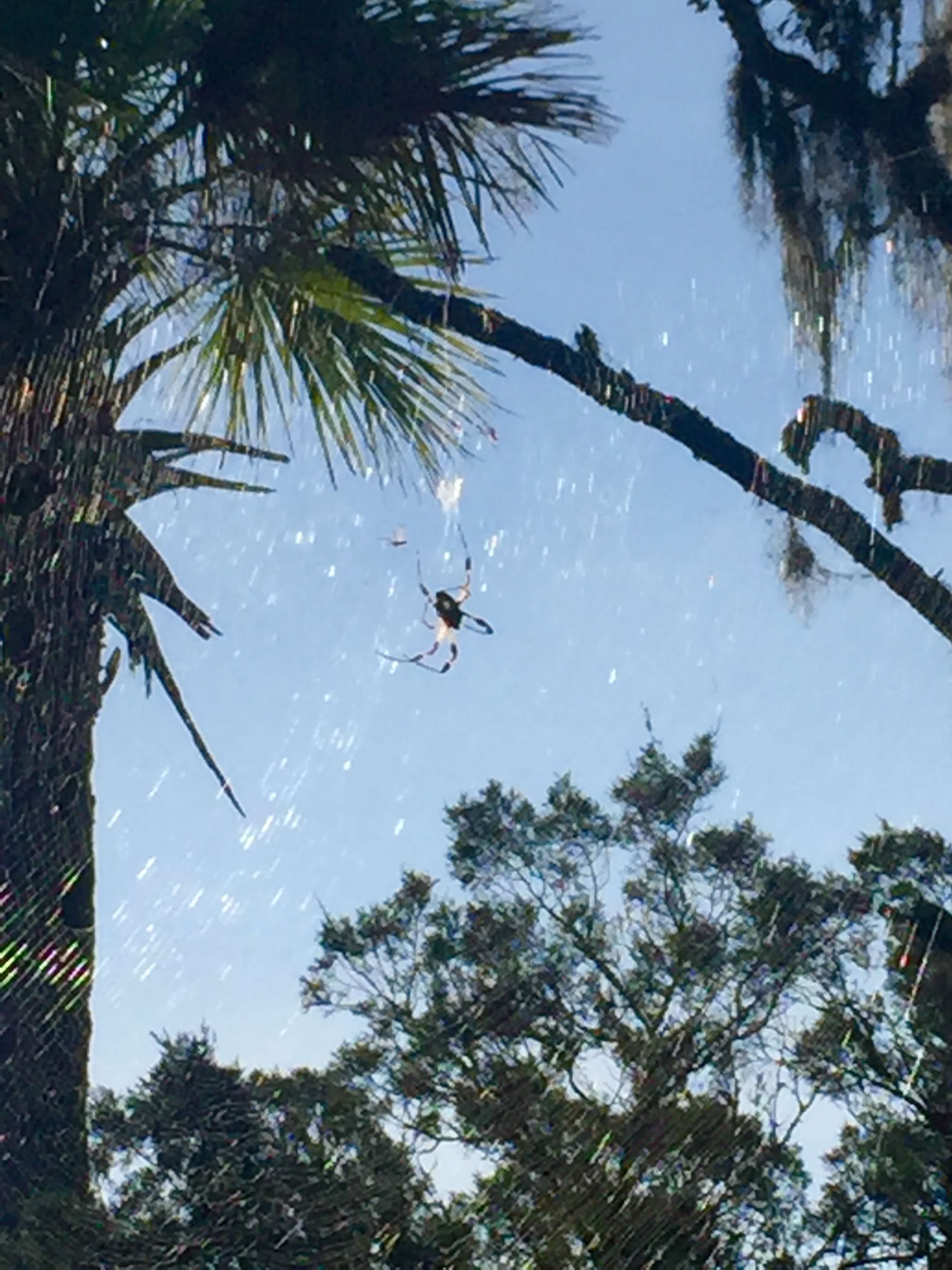
We discussed the alligator question before bed, as one does. Specifically: what if one walks through camp? What if something bites us from below in the dark? We laughed about it. We were tough. We were outdoor people.
We climbed into the hammocks.
We went to sleep.
What Happened
In the middle of the night I heard a sound I had never heard before.
I have told you about Polly’s sounds. The sharp inhale during the snake encounter. The absolute stillness in the face of something alarming. In twenty years I had built a complete catalog.
This one was not in it.
It was a scream. Specific. Urgent. The kind of sound that bypasses every filter and goes straight to the emergency column.
I grabbed the flashlight and turned it on.
There was Polly. Sitting up in her hammock. Arms out wide. Eyes fixed straight ahead.
And there, inches from her face, was a raccoon. Sitting up on its haunches. Arms out wide. Eyes equally fixed.
They were both completely still. Staring at each other. Neither one moving.
Here is what happened: the raccoon had been walking through camp in the dark, doing what raccoons do — looking for food scraps, not expecting obstacles. Raccoons walk with a distinctive arched hump. It had been ambling along the forest floor and had walked directly into Polly, who was hanging at raccoon-height between two palmetto trees.
They discovered each other at the exact same moment.
Both of them screamed. Possibly simultaneously.
When I cut the flashlight on I caught the aftermath — two creatures, one human and one not, both frozen solid in mutual terror, staring at each other from a distance of approximately six inches.
I do not know which one of them was more startled.
The raccoon eventually sorted itself out and departed at speed. Polly did not sleep well for the remainder of the trip.
Where Was Lacy
You are asking the right question.
Lacy — my trail dog, my adventure companion, the dog I have written about elsewhere on this site — was in the tent. With the kids.
She had found the children and the tent and had made a decision about where she was most comfortable. She and the kids had their safe space. No one came out to check on us.
She was snoring.
Go Find One
Edisto Beach State Park is worth the trip on its own merits — the maritime forest trails, the salt marsh, the remote beach where the waves run up to the palms. The megalodon hunt is a reason to look down instead of up for one afternoon.
You will probably not find one on your first pass. You might find one the moment you stop looking. Either way you will have walked a stretch of South Carolina coast that was underwater when the biggest predator that ever lived was hunting these waters.
That tooth in your hand is older than the pyramids by three million years.
Edisto Beach State Park 8377 State Cabin Rd, Edisto Island, SC 29438 Tent camping and cabin rentals available. Hammocks permitted. Raccoons not included.
Before You Go
Fossil & Treasure Hunting
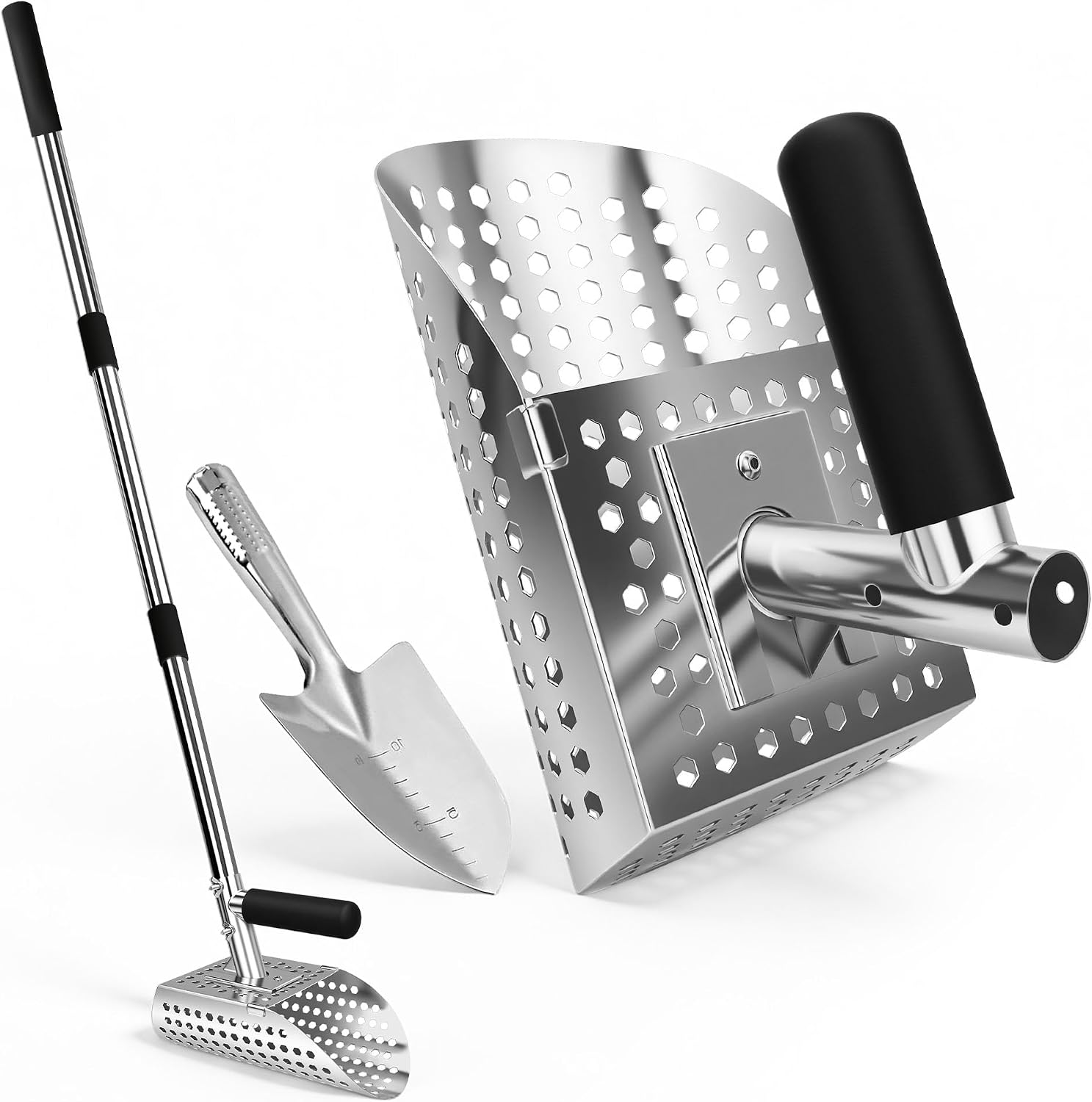 Sand Scoop & Sifter
We spent hours dragging our hands through wet sand before the tooth turned up right where we'd already walked past six times. A long-handled sifting scoop does in seconds what bent-over searching does in hours.
Sand Scoop & Sifter
We spent hours dragging our hands through wet sand before the tooth turned up right where we'd already walked past six times. A long-handled sifting scoop does in seconds what bent-over searching does in hours.
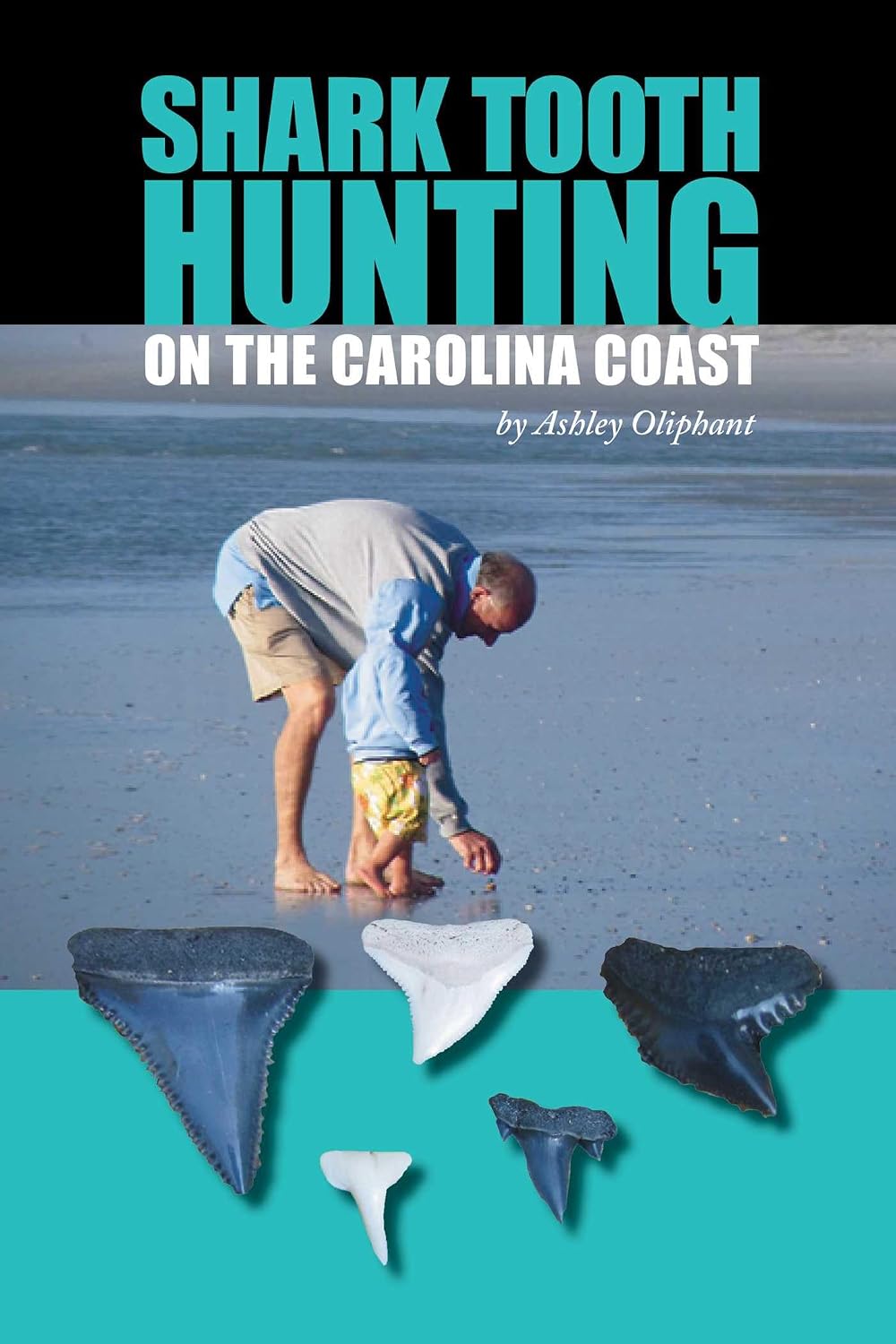 Shark Tooth Hunting on the Carolina Coast
Tributaries, waterlines, tide timing — this field guide covers all of it in more depth, plus a species ID reference for whatever else washes up besides megalodon.
Shark Tooth Hunting on the Carolina Coast
Tributaries, waterlines, tide timing — this field guide covers all of it in more depth, plus a species ID reference for whatever else washes up besides megalodon.
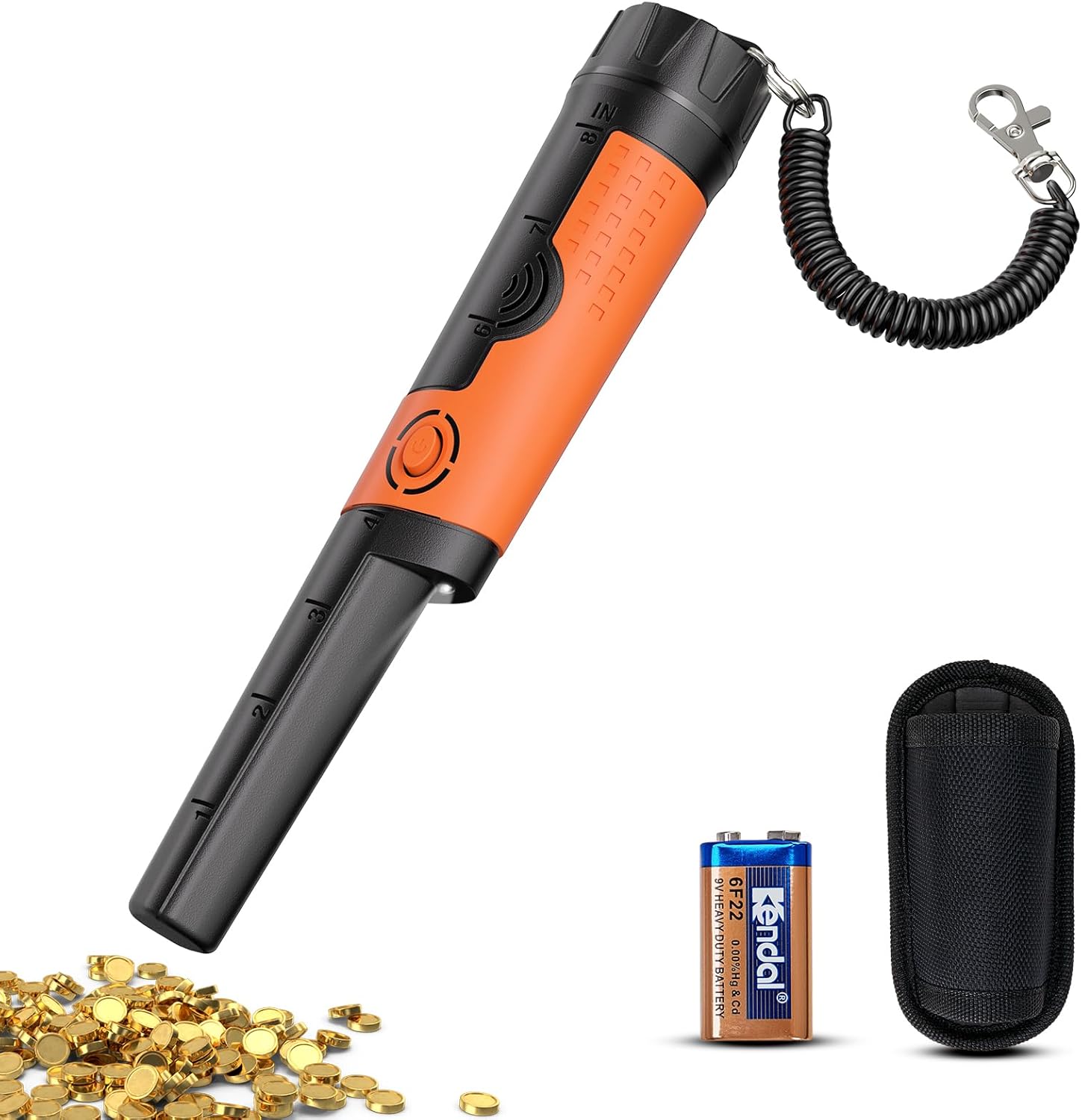 Metal Detector Pinpointer
Teeth won't set this off, but this stretch of coast has real pirate history — Blackbeard blockaded Charleston Harbor just up the coast in 1718. Worth a sweep between tooth finds, purely for fun.
Metal Detector Pinpointer
Teeth won't set this off, but this stretch of coast has real pirate history — Blackbeard blockaded Charleston Harbor just up the coast in 1718. Worth a sweep between tooth finds, purely for fun.
Camp Comfort
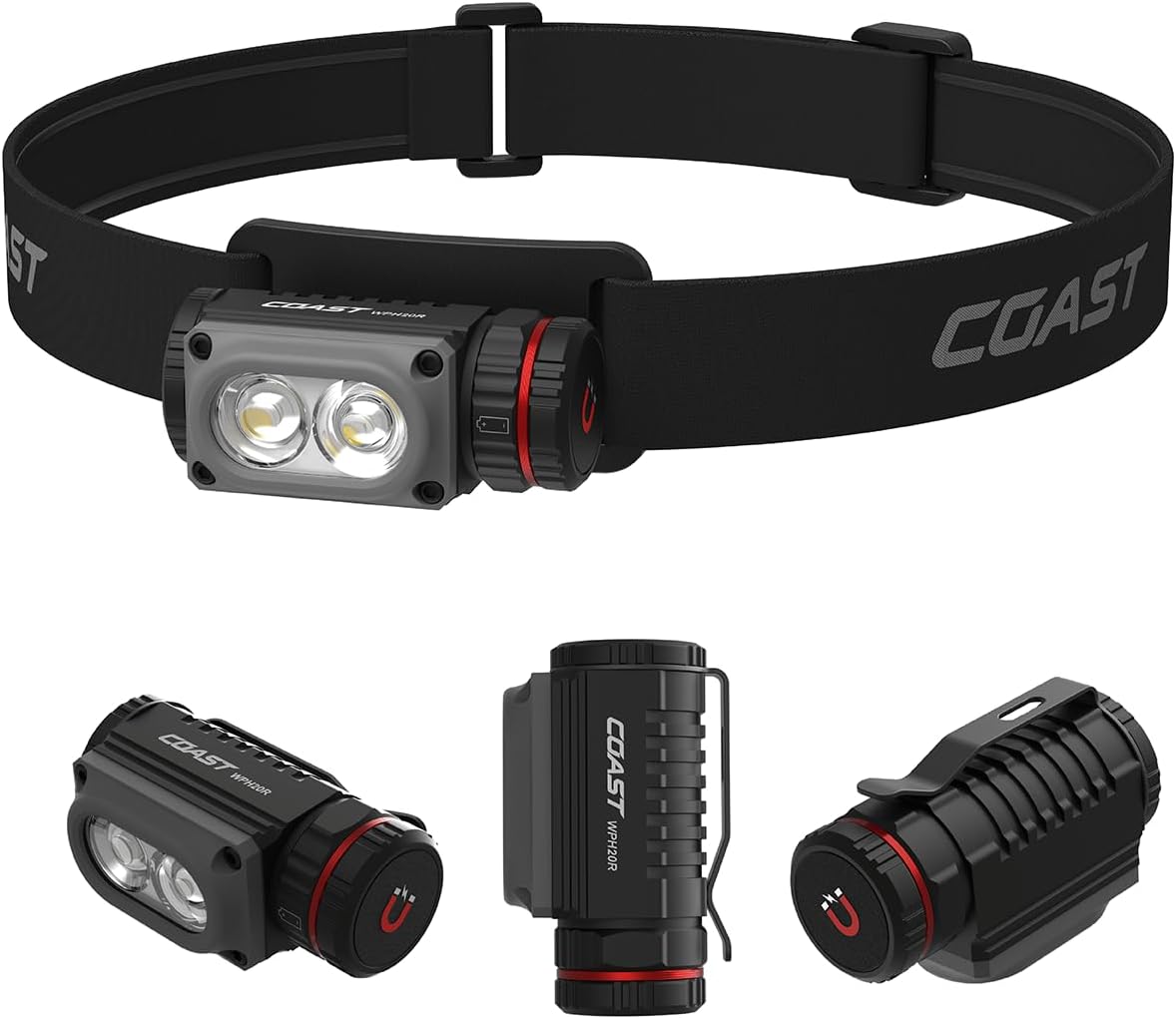 Coast WPH20R Headlamp
This is the light I grabbed that night. Hands-free isn't optional when you're bolt upright in a hammock trying to figure out what's six inches from your face in the dark.
Coast WPH20R Headlamp
This is the light I grabbed that night. Hands-free isn't optional when you're bolt upright in a hammock trying to figure out what's six inches from your face in the dark.
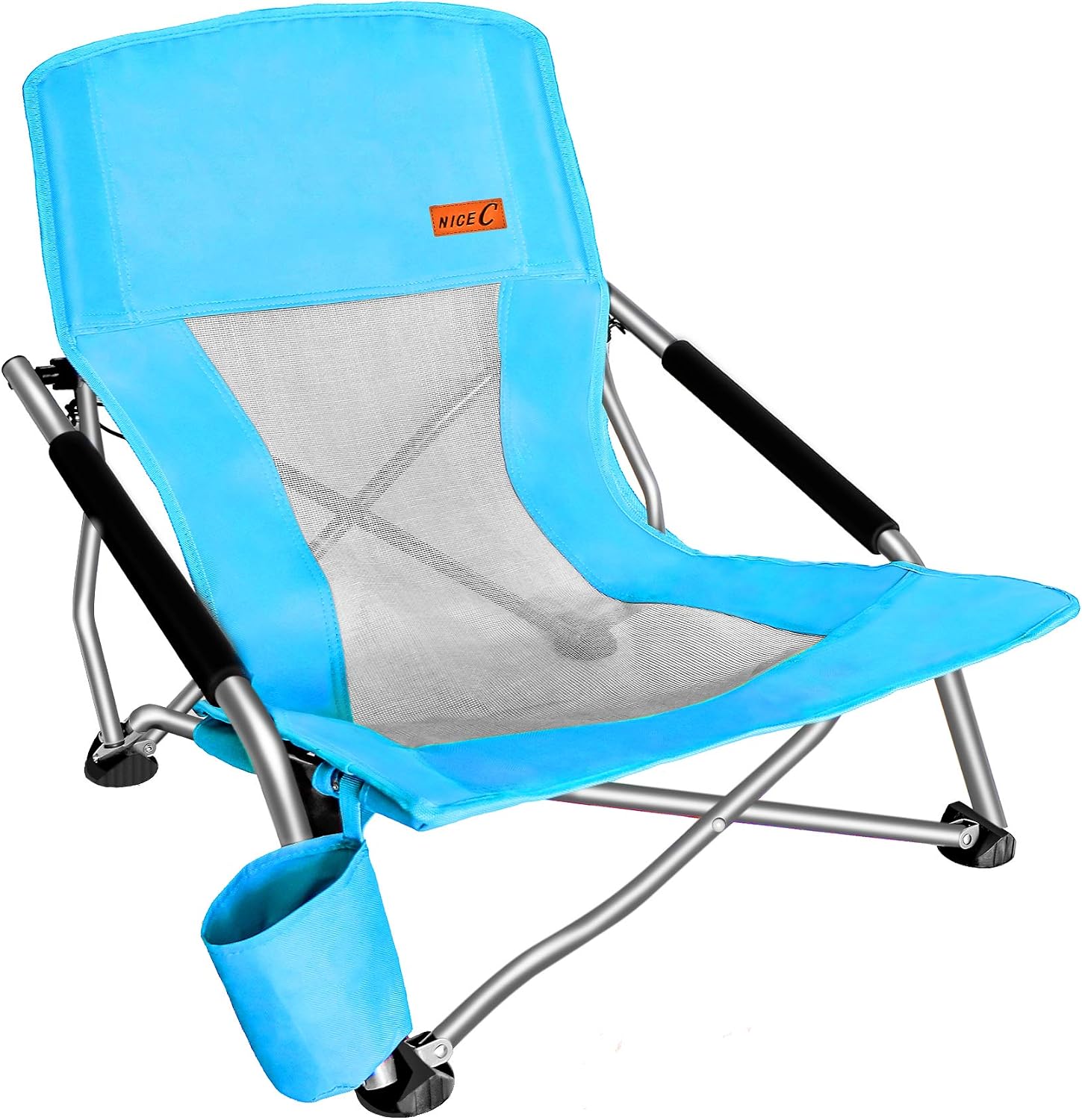 Low Beach & Camp Chair
Compact, low to the ground, and easy to carry — the kind of chair that actually lives in the van instead of taking up a whole trunk.
Low Beach & Camp Chair
Compact, low to the ground, and easy to carry — the kind of chair that actually lives in the van instead of taking up a whole trunk.
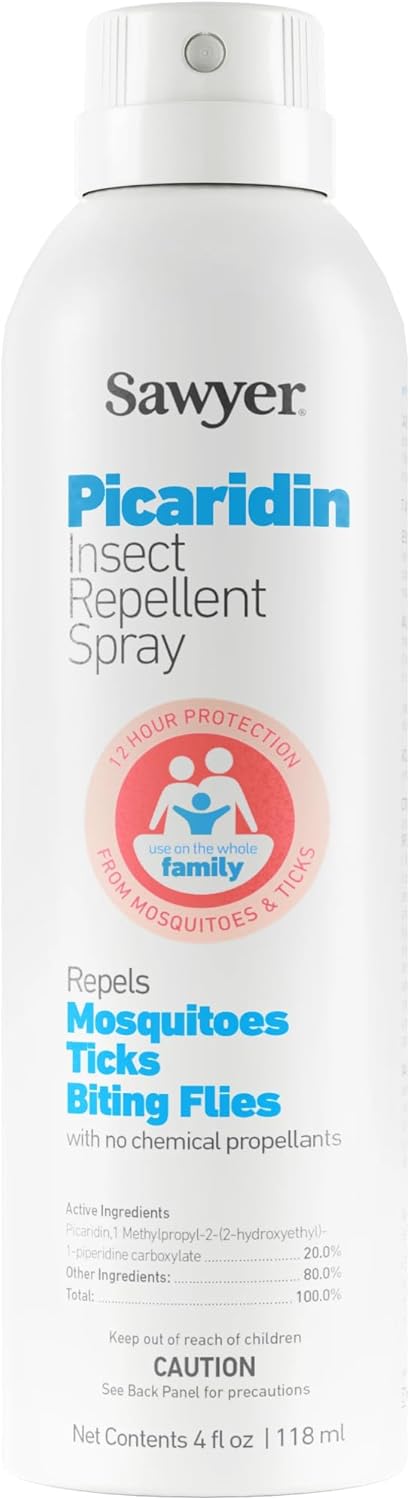 Picaridin Insect Repellent
Camping next to a salt marsh means mosquitoes. This costs more than a can of DEET spray, but DEET melts plastic and coatings — including the coating on a pair of prescription sunglasses I found out about the expensive way. Picaridin doesn't.
Picaridin Insect Repellent
Camping next to a salt marsh means mosquitoes. This costs more than a can of DEET spray, but DEET melts plastic and coatings — including the coating on a pair of prescription sunglasses I found out about the expensive way. Picaridin doesn't.
These are affiliate links — we appreciate your support, no extra cost to you.
Think you found one? The Megalodon Hunter challenge badge is waiting for you.